Category Archives: Awareness & Activism

Mice attack face of dementia patient in nursing home

I came across a gruesome story that reinforces the need for better oversight of nursing homes: a patient attacked by mice. Staff members doing room checks discovered a group of mice literally eating a patient’s face. The woman, who has dementia and is physically immobile, could not escape from the mice nor call out for help. This is truly a nightmare situation that no one would want their loved one to endure. The woman survived the attack and is recovering, but is obviously still emotionally traumatized from the event. The manager of the facility claims they struggle with mice issues because of a nearby farm. The same facility has also had issues with bedbugs.

mice

This incident took place in Canada, and it was interesting to read the comments associated with the story because it appears Canadians and Americans are struggling with similar problems when it comes to senior care. There are not enough dedicated funds to regulate and fully staff senior care facilities, which can lead to horrible cases such as the one in the news this week. Once again, it seems that seniors are being forgotten by politicians. With all of the bluster around Syria, there has been much talk about protecting the children. While no one disputes the need to keep children safe, the poor woman in that bed in the nursing home being attacked by mice was just as helpless as a baby. Where is the outrage?

For those who have loved ones with dementia in nursing homes, this is a reminder to be vigilant about looking for signs of neglect. If you see any bites, rashes or other unusual symptoms, have it checked out. When a loved one with dementia is emotionally upset, it can be hard to determine the source. If you can rule out something in their physical surroundings that is alarming them, it can give you some peace of mind. It’s difficult to imagine anything more frightening than having some creature gnawing on you and you cannot move or ask for help. We must be advocates for those who can no longer defend themselves.
Leave a comment

Filed under Awareness & Activism

Is it time for the Alzheimer’s awareness campaign to get aggressive?

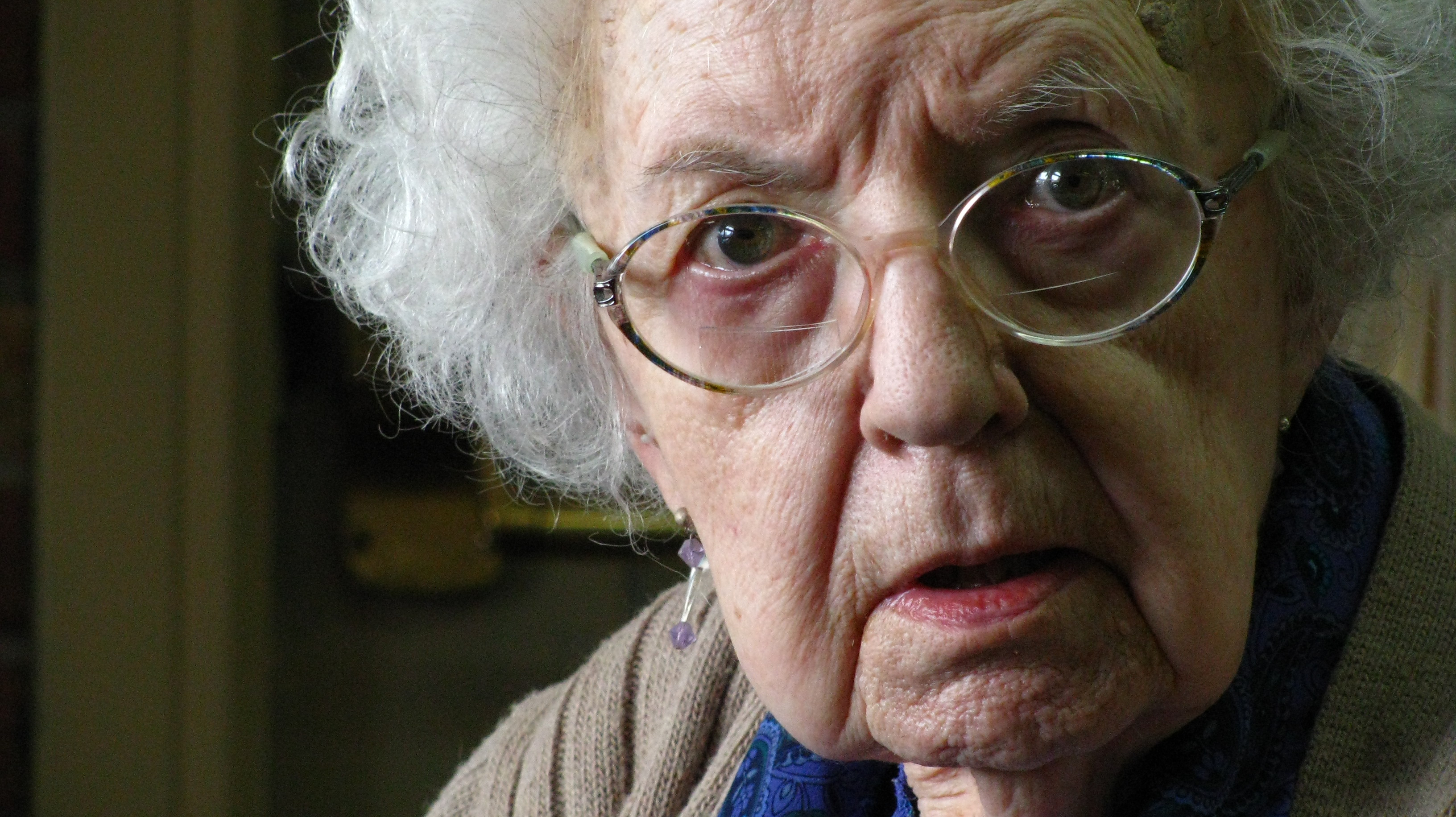
The Alzheimer’s advocacy organization USAgainstAlzheimer’s was featured on the “Today” show this week. Among the interesting topics discussed was Alzheimer’s image problem. It was suggested that when most people think about breast cancer, they see seas of pink with all of the walks and events featuring active, impassioned women fighting the disease. AIDS walks feature an equally impassioned group of supporters, who have not been afraid to get angry and lash out at a government that they perceived asleep at the wheel when it came to research funding. But Alzheimer’s? The news clip showed an elderly person being fed by a caregiver. While accurate, it’s depressing.

elderly_woman

So is it time for Alzheimer’s to receive a public relations makeover?

While breast cancer awareness, AIDS awareness and Alzheimer’s awareness may seem to have little in common, there are certain common themes. Women have proven effective advocates for themselves when it comes to breast cancer, and since women do make up the majority of caregivers of Alzheimer’s patients, they could bring their outspoken compassion to Alzheimer’s awareness as well. A complaint I hear often is that the elderly seem to be castoffs in our modern society. While the initial delay in AIDS funding was due in part by rampant government homophobia, I think many Alzheimer’s advocates feel a similar sense of anger that the funding for dementia research and treatment is so woefully inadequate compared to other diseases. It does seem like we have been left behind, to toil silently behind closed doors, taking care of our loved ones as they lose their minds and dignity.

Angry activists are not always successful. They always run the risk of further alienating their pet cause. I’m not very fond of the cheap tactics sometimes used just to get media attention. But I do feel that the Alzheimer’s awareness campaign needs to evolve. How do you think Alzheimer’s advocates could better spread the word about what our families are going through and how desperately we need more funding for research, treatment and caregiving costs?

4 Comments

Filed under Awareness & Activism

Do “Super Agers” hold key to dementia treatment?

I was fascinated to read news about the current research on “super agers,” elderly people in their 80s and 90s who have maintained a sharp mind and exceptional memory for their advanced age. After analyzing brain scans from these unique individuals, researchers found less brain plaque and more brain mass in critical areas related to memory and attention. By studying the minds of those who have beaten the odds when it comes to their mental status, scientists hope to be able to protect others from developing dementia.

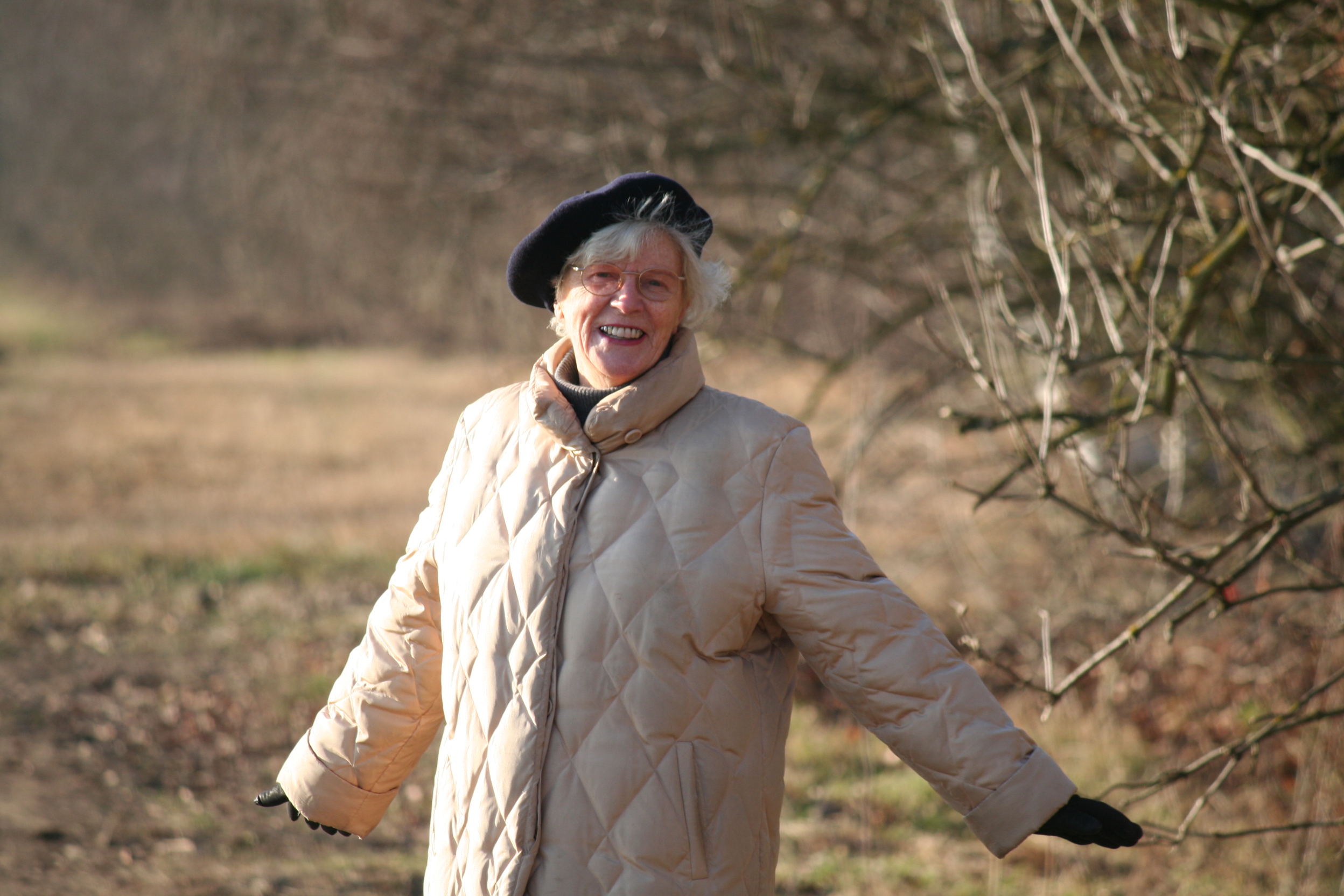
Super agers are more energetic and maintain positive attitudes.

Super agers are more energetic and maintain positive attitudes.

While very few people meet the stringent requirements to be in this select group, the super agers seem to be from all walks of life. However, they do have a couple of things in common: they have more physical energy and they have a more positive attitude than others their age.

It’s heartwarming to read about these seniors who are still finding so much joy in life and are active in their communities. While modern medicine has allowed us to extend our life spans to a certain extent, the growing rate of Alzheimer’s makes that definitely a mixed blessing. But if more of us could end up like these super agers, I think we wouldn’t dread the thought of old age so much.

1 Comment

Filed under Awareness & Activism

When disease robs precious gifts

I was saddened to hear that one of my favorite singers, Linda Ronstadt, has announced that she has Parkinson’s disease and can no longer sing. An aunt of mine died from Parkinson’s complications and it was a sad, slow decline for such an independent, hard-working woman, eventually impacting her mental state and leaving her completely dependent upon others to take care of her. Parkinson’s, like Alzheimer’s, can manifest in vague symptoms at first and be difficult to diagnose. According to news reports, Ronstadt believes her symptoms go back several years, but she was officially diagnosed just several months ago.

Linda Ronstadt's beautiful singing voice has been silenced by Parkinson's disease. Image copyright: Capitol Records.

Linda Ronstadt’s beautiful singing voice has been silenced by Parkinson’s disease. Image copyright: Capitol Records.

Like Alzheimer’s, Parkinson’s disease can rob one of their personal talents and joys in life. What a blow to not only have to deal with a seriously debilitating disease like Parkinson’s but to be robbed of an amazing gift, like your singing voice. Certainly Linda Ronstadt has had a long and successful music career, but for people who interpret the world through song, it is a tragic personal loss as well. The same goes for writers who develop a condition that prevents them from creating new works of literature and artists who can no longer paint.

Of course, these diseases rob the average Joe of gifts as well. When my dad lost his ability to read due to Alzheimer’s, a huge part of his love for life went with it. My dad loved to read and expand his knowledge on his favorite subjects and reading gave him much pleasure over the years. I’ll never forget when the nursing home staff asked us what does Dad like to do and the only answer we could give them was “read.”

4 Comments

Filed under Awareness & Activism

Spreading awareness through the Alzheimer’s Prevention Registry

Recently, my family’s story was featured on the Alzheimer’s Prevention Initiative website. The newly revamped website features a “Read Our Stories” section highlighting Alzheimer’s Prevention Registry members and why they agreed to join. I’ve written before about this cause, so I won’t go over all of the details again, except to say this organization is building a large pool of people interested in finding a cure or effective treatment for Alzheimer’s. The more people signed up for the Registry, the more available people for future studies on Alzheimer’s disease.

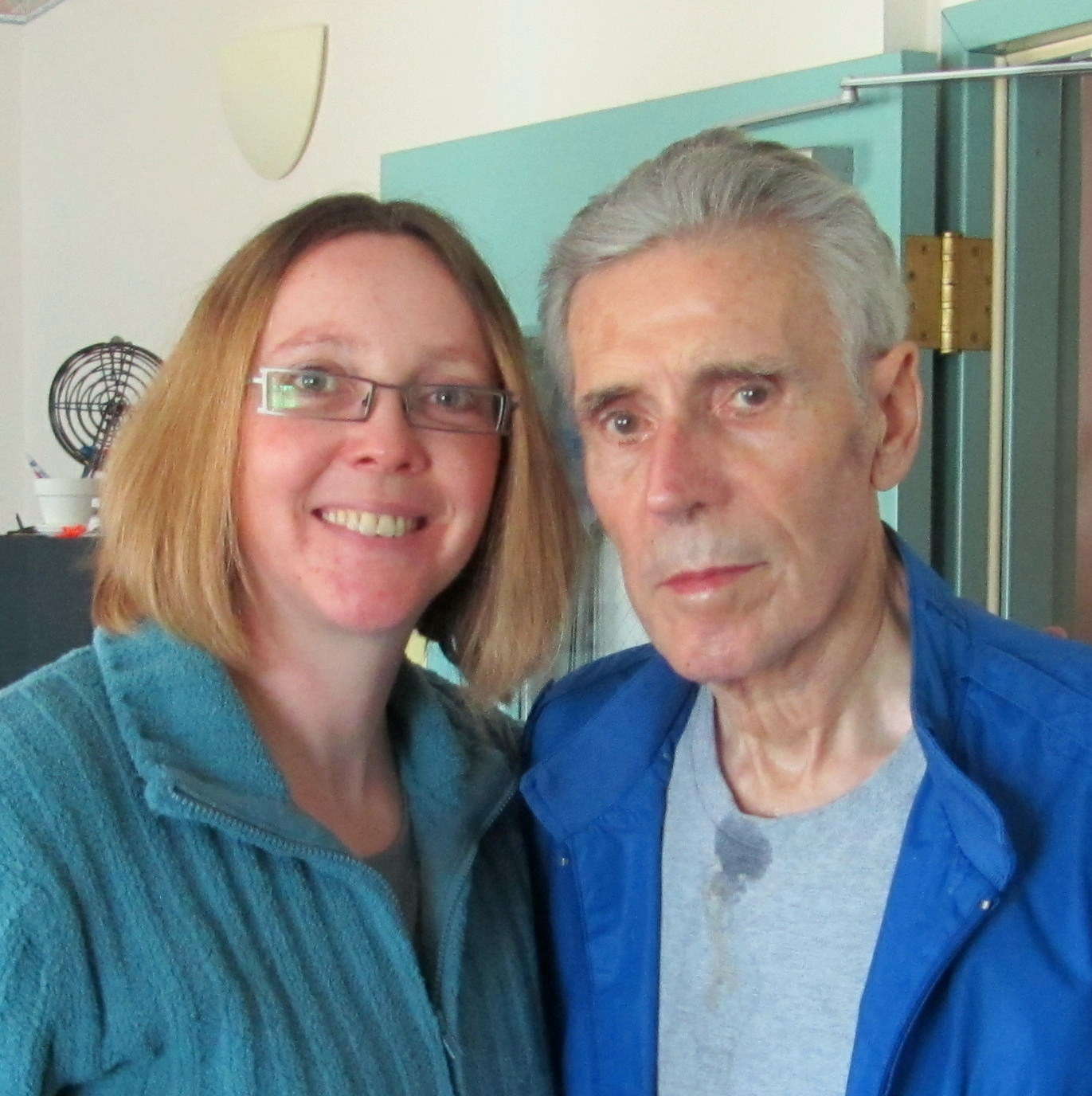
Dad and I at the assisted living facility, March 2011.

Dad and I at the assisted living facility, March 2011.

While The Memories Project began as a way to honor my father and raise awareness for Alzheimer’s disease, with my mom’s subsequent battle with cancer, my focus has expanded to the role of caregivers and how caregiving can take a toll on one’s mental and physical health. Each of us with our blogs is helping spread awareness of these issues in our own way, sometimes with humor, sometimes with anger, sometimes with sadness. I am proud to be part of a virtual community of fighters and preservers of dignity for their loved ones. Keep up the good fight!

Leave a comment

Filed under Awareness & Activism

The dark side of assisted living

I haven’t had a chance to watch the PBS Frontline special called, “Life and Death in Assisted Living” yet, but I did read the online report. My interest was certainly piqued when I discovered that Emeritus was the assisted living company being investigated. My father spent the last year of his life in an Emeritus facility. I’ve written many posts about the good and bad experiences there. The PBS report takes a long and hard look about how Emeritus seems to be more interested in raking in cash that taking good care of patients. The accusations made range from hard-selling (fill those beds!) to employing woefully unqualified people to take care of dementia patients and not filing incident reports as required by law. To be fair, I would think that most of the corporations running senior residential facilities have aggressive financial goals, so Emeritus is probably not any better or worse than most of the other companies.

Are assisted living companies putting greed over good care?

Are assisted living companies putting greed over good care?

I know that if my mom had understood Dad was going to be an hour-and-a-half away from her, she would not have agreed to move him to the Emeritus property but somehow, that seemed to happen overnight. Mom said it was without her permission, but having asked around and now seeing how profit-focused Emeritus seems to be, I think it was just a hard sell tactic and Mom ended up signing a paper that allowed Dad to be moved. The rate increased multiple times in the 10 months he was there. I remember talking to the admissions coordinator when we were just checking out facilities and she told me that Dad’s monthly checks should cover “most” of the costs. Not even close. By the end, we were paying over $4000 a month and Mom had just received a notice that another big rate hike was coming right before she transferred him closer to home.

That rate didn’t include any medications, which racked up a bill totaling several thousands of dollars that we just finished paying off earlier this year. I did report the facility to a state board because I felt they overmedicated my father and gave him medications that were under scrutiny for being dangerous to give to elderly patients. I never heard any followup from my complaint.

The PBS report also talks about the numerous patient falls due to staff not adequately supervising patients. My father fell several times while at the Emeritus facility. The staff called us each time there was an incident (that we know of) and took him to the hospital when necessary. Even with adequate staff, preventing a fall can be difficult with dementia patients. I feel that the Emeritus facility that my dad was at followed the rules in this area, though I did wonder if there was a better solution than placing my dad’s mattress on the floor after he fell out of bed multiple times.

I’ve read both good experiences and horror stories when it comes to senior residential facilities from the amazing bloggers I follow. If you have the chance to catch the PBS special, let me know what you think. Can corporate entities balance making a decent profit with providing excellent care for our most vulnerable citizens?

1 Comment

Filed under Awareness & Activism

Service dogs trained to help dementia patients

I’ve long wondered if service dogs could be of use to dementia patients. This week, several articles talked about a so far successful experiment taking place in the U.K. that has matched specially-trained service dogs to assist those with early-stage dementia. I hope the trend spreads across the pond!

Service dogs are now being trained to assist dementia patients.

Service dogs are now being trained to assist dementia patients.

As I suspected, service dogs can perform key tasks to help keep dementia patients safe at home. This includes bringing them their medication at a certain time and reminding them it’s time to take a walk so they stay active. I can also see service dogs being trained to give a warning bark if a dementia patient tries to go outside alone. This could be an effective way to reduce wandering incidents which are always stressful and frightening for everyone involved, and unfortunately, occasionally deadly if the wandering patient cannot be located quickly and is exposed to extreme elements.

Dogs and animals in general often brighten the mood of everyone around them. This could help relieve depression and stress in patient and caregiver alike. Nursing homes often have a therapy pet visit on a regular basis and it’s usually a big hit with residents.

Of course, one has to weight the additional burden on the caregiver for caring for a dog (despite their amazing skills they are still dogs that need to be fed/groomed/taken outside to relieve themselves.) A service dog won’t be the right fit for every family but it could be a wonderful benefit for others. Hopefully charities will help offset the cost of these service dogs so that needy families can take advantage of such an amazing service.

2 Comments

Filed under Awareness & Activism

Guest Post: Can Anything Slow the Sad Progression of Alzheimer’s Disease?

Guest blogger Alicia Lawrence offers simple ideas to improve the quality of life of your loved one in the earlier stages of Alzheimer’s.

Once you’ve gotten over the shock of your loved one’s diagnosis of Alzheimer’s, your thoughts inevitably go from disbelief to the desire to do something, or at least mine did when my mother began forgetting things. I immediately began researching whether there was any way to stop the progression of this terrible disease.

I wish I could tell you that there’s a magic formula — eat right, exercise and do crosswords, eat only dark chocolate and green tea! Unfortunately, as we all know, there’s no magic cure. But there are methods that may work to slow down the disease’s progression in the short term, and that’s what I’d like to share with you today.

crossword

Mental Stimulation

Actually, doing crossword puzzles does help a little. Any sort of increased mental activity can help ward off the progression of Alzheimer’s by stimulating the brain. If your loved one isn’t a gamer, it doesn’t have to be crosswords.

Engage their brain by encouraging them to read a book, write a story, play the piano or learn a new language. Heck, quiz them on the make and model of the kitchen cabinet hardware from their very first house or their grandchildren’s birthdates — anything to get that brain working.

Avoid Stress

Alzheimer’s is not caused by stress. But stress can exacerbate symptoms, and in the early stages of diagnosis it’s very difficult for patients to avoid stressful situations, such as informing family members and discussing plans for the future.

Do your best not to add to your loved one’s stress. Help establish routines that are both comforting and helpful for someone struggling with memory issues. Make sure that meals, baths and doctor’s appointments are all on a schedule. Get everyone who’s involved in care to get on board with the schedule to make things run smoothly.

Try Dietary Changes

The evidence on diet and disease is admittedly thin, but many think it’s worth trying different combinations of healthy, nourishing foods to try to reverse illnesses of all types, from cancer to Alzheimer’s. Several things seem to have had particular success for Alzheimer’s patients.

One is taking more antioxidants, including Vitamin E, which protects against cell damage and has been shown to slow the onset of Alzheimer’s symptoms. Folate has been shown to lessen the risk of getting Alzheimer’s, though researchers are still studying the link between slowing of symptoms and this B vitamin.

Gingko Balboa has also been linked to a slowdown of symptoms in early Alzheimer’s patients, though those studies are somewhat controversial. Still, doctors agree it probably can’t hurt to include gingko as a supplement along with other vitamins.

No matter how dreary the situation looks, never stop trying. Have fun and enjoy the company of your loved ones while they are still here. Sometimes laughter can be the best medicine of all.

About the author: Alicia Lawrence is a content coordinator for a tech company. In her free time, she enjoys hiking, cooking healthy meals, and writing on her blog MarCom Land. Find Alicia on Google+

3 Comments

Filed under Awareness & Activism

Dementia care center facing abuse charges

A local story caught my interest today. It’s a sad one, and a story that no one wants to hear, especially if you have a loved one in an Alzheimer’s care facility. The caregivers at a metro Atlanta memory care center are facing 72 abuse-related charges. The allegations include restraining patients with bedsheets, throwing water at patients and putting multiple diapers on patients so they wouldn’t have to change them as often.

The facility was immediately shut down and both current and past caregivers will have their day in court. The most surprising aspect of the case to me was the interviews with the relatives of patients who were residing at this facility. The ones the local news interviewed were shocked by the allegations. One woman had even moved her mother from another facility to this one because she was receiving inferior care at the first facility. No one interviewed had seen anything related to the charges filed. Either the case is overblown or the caregivers were good at hiding their abusive actions.

The relatives were also upset about having to “claim” their loved one at a moment’s notice, since the facility was immediately shut down. It is a shame that there is not some safety net in place so that families are not left looking for another care center on their own while having to take care of their loved one at home. (One woman said it took months to find the right center, and I’ve read stories from bloggers who have said the same thing.)

The takeaways from this case for me is to really look at a care center from top to bottom as objectively as you can. Try to visit outside of normal business hours if possible. With Dad, we were not able to visit as regularly as we’d have liked, but with Mom I was there almost every day. Did it make a difference? I feel like they received a similar quality of care but I felt more in control by being a daily presence. Of course, visiting daily is not viable for everyone and should not be required for your loved one to receive compassionate care.

The second takeaway for me is having a backup plan. If the facility where your loved one resides is suddenly shut down, are you prepared to house them indefinitely? I know my house with stairs is not safe for a dementia patient. If you have siblings or other relatives, have you discussed with them if they would be willing to provide temporary housing? Taking in a dementia patient requires 24/7 care as we all know. Are there sufficient at-home services in your area? I know where my mom lives, the home care resources are very limited.

A tragic case provides some food for thought.

6 Comments

Filed under Awareness & Activism

A powerful play about dementia

On Monday, I was lucky enough to get a chance to attend a free reading of the play, “Absence” by Peter M. Floyd. It was presented at the Alliance Theatre, one of Atlanta’s most respected theatre companies. Before the reading, there was a senior care resource center where local companies were on hand to talk about their products.

The play itself is quite simple, yet powerful. A strong, vibrant woman develops dementia and the play illustrates the impact her diagnosis has on her and her family. Anyone who knows someone with dementia will be able to relate to the themes of the play: denial, anger, frustration, sadness, desperation.

There are a some moments of humor sprinkled throughout but overall the play is a sobering reminder of the impact dementia has on family relationships. I was intrigued by the personification of the disease in the form of a wise-cracking doctor with a northern accent. Throughout the play, he acts like a drug pusher trying to peddle heroin on an unsuspecting youngster, telling the lead character that Alzheimer’s wipes the slate clean, along with all of your regrets and mistakes, making you feel free. It’s an interesting perspective.

The lead character and her daughter reminded me of my own relationship with my mom. I would love to see the play fully produced, as I was really blown away by the reading alone.

If you get the chance to see this play, don’t hesitate but be prepared for it to hit close to home.

Leave a comment

Filed under Awareness & Activism