Tag Archives: genetic testing

GeneMatch a way for older people to contribute to Alzheimer’s research

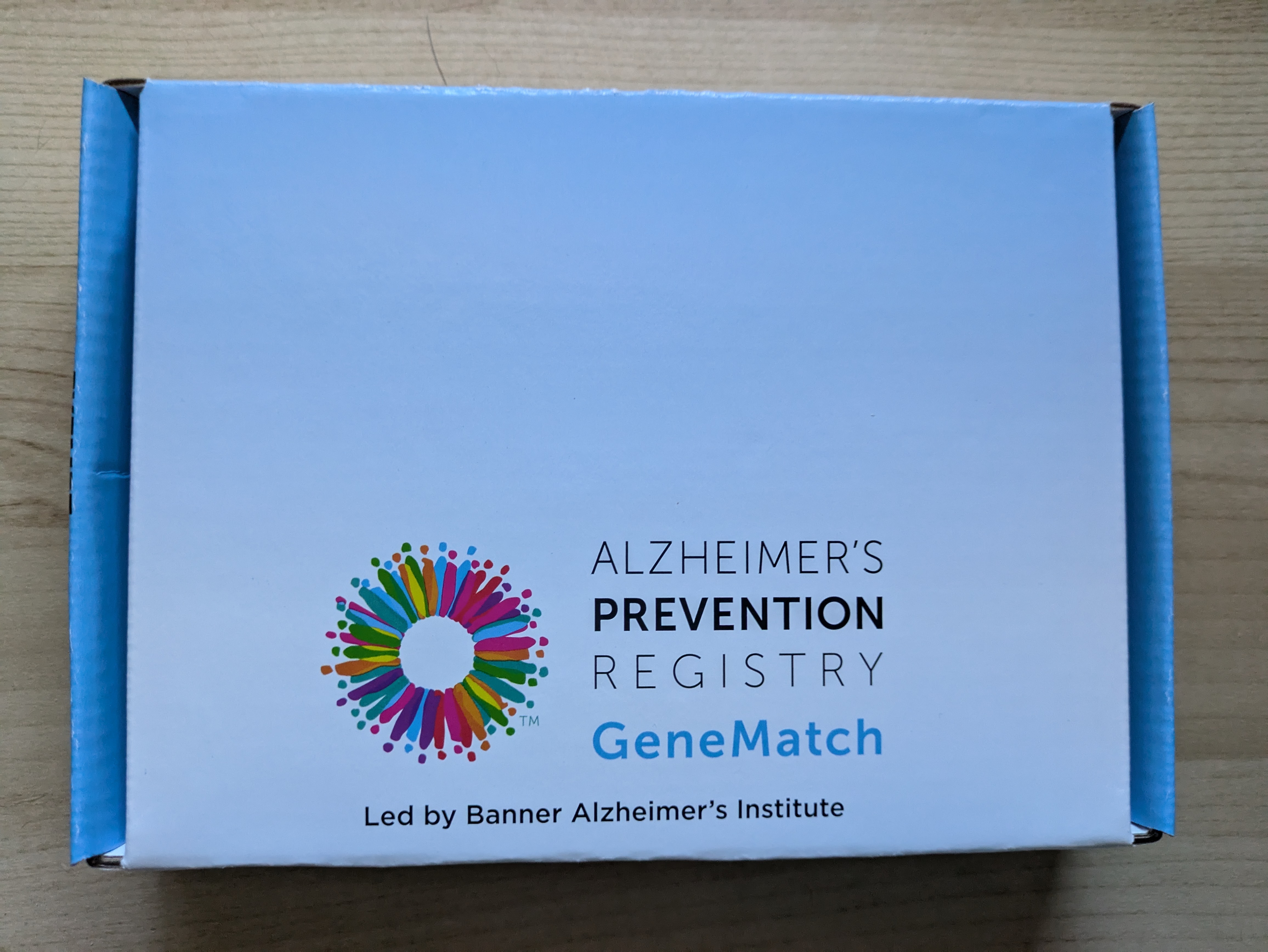
One of the tasks that has been on my to-do list since turning 50 is registering for GeneMatch, a program led by the Banner Alzheimer’s Institute. The program uses genetic testing to recruit people age 50-90 for Alzheimer’s prevention studies.

After what seemed like little activity for years when it comes to treatment options for Alzheimer’s and other dementias, in the past few years, new drug treatments have emerged that are offering some hope. These new medications have also been accompanied by controversy, as I’ve written before about Leqembi and Aduhelm. But one thing that isn’t in dispute is that effective treatments cannot be developed without a sufficient amount of study participants. According to the Alzheimer’s Prevention Registry, 80 percent of studies are delayed because of lack of qualified participants.

Joining GeneMatch is simple and free. Those who meet the basic requirements will be sent a cheek swab test that can be completed in the comfort of your home, and then returned in a postage-paid package. One thing to keep in mind is that you won’t necessarily learn the results of the genetic testing, but some studies may offer the opportunity to learn APOE results. Since I’ve had genetic testing done previously, I already know I carry one copy of the APOE e4 gene, which increases my risk for Alzheimer’s disease. With the disease appearing on both sides of my family tree, I’m eager to do whatever I can to find effective treatment.

For caregiver tips, check out my Caregiver Product Recommendations page, with a list of products that I used while caring for my parents.

As an Amazon Associate I earn from qualifying purchases.

Leave a comment

Filed under Memories

How genetic testing helped me learn about potential, serious health issue

dna-163466_640_edited

Pixabay

There is a lot of buzz these days about genetic testing. Companies like 23&Me have come under fire as critics fear the genetic data could be used by health insurance companies to deny coverage, along with other privacy rights issues.

While I understand these arguments, for me personally, the information I have learned via genetic testing has been very valuable. The following isn’t an endorsement; I’m just sharing my experience.

I did the 23&Me genetic testing years ago. It flagged conditions I already knew I was at risk for, such as Alzheimer’s disease, and what I already have, such as Celiac disease. But the most curious result was the high risk I had compared to the general population for hereditary thrombophilia, which is a predisposition to developing harmful blood clots. I didn’t know what to make of the result (which indicated I had roughly a 60% higher risk than the average person) because blood clots have never been an issue in my family and I’ve never experienced one.

Then my mother became ill, and after her surgery, developed multiple blood clots. Those clots complicated her recovery, so instead of being able to return home post-surgery, she had to spend two months in a rehab center. She required an additional surgical procedure to address her blood clot, which led to its own complications, in which she began to bleed out. She eventually recovered, after spending months on blood thinning medication, which requires strict oversight.

Recently, 23&Me updated their genetic health risk results system and unveiled a new interface in which to interpret the results. By viewing this, I saw that I carry two major genetic variants linked to blood clotting issues: Factor V and Prothrombin G20210A.

So what does this mean for my health? It means that I am aware that because of my genetic makeup, I should alert medical staff before having surgery and I should be vigilant about maintaining leg movement when traveling for long distances. Fortunately, I don’t smoke and I’m not obese, two risk factors, though risk increases as one ages. With precautions, many blood clots are preventable. The problem is, people usually don’t know they are at risk until it’s too late. Just read these stories from the National Blood Clot Alliance.

Let’s face it, my risk for blood clots is not something that would have been uncovered during an annual physical. I have no idea if my mother had the same genetic variants that I do, but I know she would have wanted to know before going through the medical setbacks that the blood clots caused her.

Have you done any form of genetic testing? If so, did you find it helpful or not?


2 Comments

Filed under Awareness & Activism