
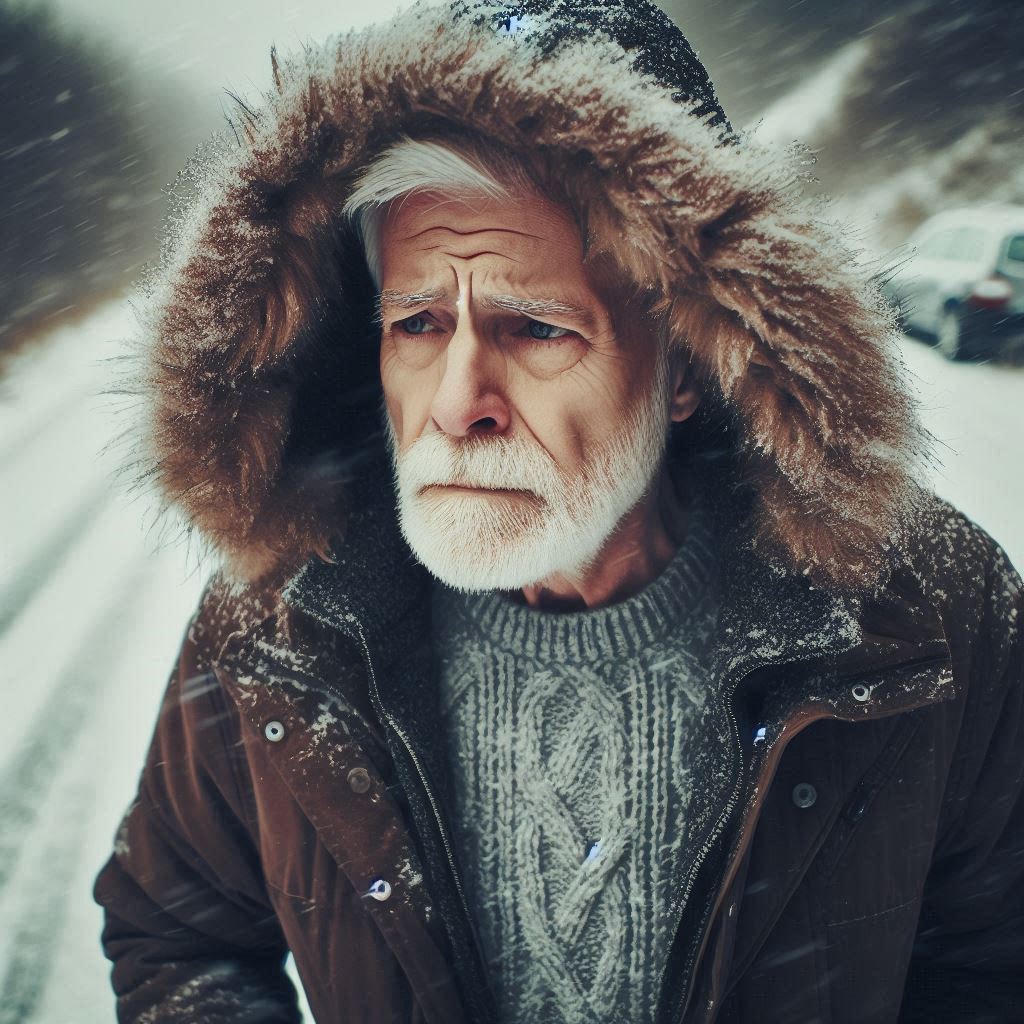
Parts of the US are already experiencing winter weather. It’s important to ensure that loved ones with dementia don’t wander when the weather turns frigid. Each winter, there are cases of those with dementia who fall victim to the elements after wandering from home or a care facility.
My father was a wanderer. His lifelong love of walking had kept him lean, but his desire to move became a liability as his dementia progressed. Dementia takes a physical toll as well, so as Dad became frailer, he was more prone to injuries from falls. While he still lived at home, my mother had to watch him like a hawk. One time, she attempted to take a brief bath, and Dad slipped away. Mom immediately called me, frantic. It was going to be dark soon, and turning colder. In my father’s case, there was a happy ending. Mom called the police who were responsive and tracked my father down not too far from my parents’ condo community. Crisis averted that time.
My father would wander a few more times while he still lived at home, including one infamous time when my mother was in the dentist’s chair. Once he moved to the memory care unit, he was behind a locked door secured by a code. He still wandered, up and down the halls, and outside in the garden area when weather permitted, but at least he was contained to the facility.
It’s such a helpless feeling when a loved one is lost. I’m grateful for first responders and others who helped locate my father when he wandered off.
There are things caregivers can do proactively to reduce the risk of wandering this winter.
- Door locks: One of the easiest solutions is to configure your home’s door locks to one in which you lock with a key from the inside. Then keep the key on a chain around your neck or in another inaccessible place from your loved one with dementia. If you prefer a more high-tech solution, you could choose something like a fingerprint lock or one that requires a code. Consider a door chime or bell to signal when one exits the home.
- Trackers: I bought one of the earliest renditions of GPS-powered tracking tags for my father, but the device was cumbersome to use at the time and didn’t have good reception in the mountain town where my parents lived. I’m happy to say that such devices have come a long way since then. If high-tech solutions aren’t an option, even a simple ID bracelet or necklace can be helpful. For long-distance caregivers, seek devices that allow you to monitor your loved one’s movements from your phone, which can offer some peace of mind.
- Behavior modification: Track your loved one’s wandering episodes. Do they happen at a certain time of day? Sundowning is a common issue for those with dementia, and the longer period of darkness during the winter can exacerbate the issue. My father struggled with bedtime and sometimes would get up in the middle night, change into day clothes, and sit in his chair in the living room until morning. Consider changing up your schedule and finding enjoyable activities to do together during this time period. Talk to the doctor about medication or other therapies.
If your loved one does wander away, try not to panic. Conduct a quick search of the immediate area, and if there’s no sign of the individual, contact authorities. 911 should be able to direct you to any specific community programs for these situations, if they exist in your area, or like in my father’s case, patrol officers handled the situation. Keep a folder on your phone with a recent photo of your loved one, nearby places they may be prone to going to, a list of medical issues and medications, and the contact information for area hospitals.
Caregiver.com has additional useful tips for caregivers to keep their loved ones with dementia safe and warm this winter.
Image by Microsoft Copilot.
![Pageflex Persona [document: PRS0000038_00069]](https://memoriesproject.files.wordpress.com/2014/02/reluctant-caregiver-cover.jpg)







 The Memories Project
Very good info. Sounds so scary to have that happen.