Category Archives: Awareness & Activism

New documentary highlights the challenges and triumphs of being a family caregiver in the US

There’s a new documentary airing on PBS called, Caregiving. Actor Bradley Cooper served as an executive producer and at the beginning of the film, he discusses the emotional impact caring for his father had on him.

The bulk of the film focuses on average Americans who are faced with a healthcare crisis in their family and how they attempt to navigate America’s broken healthcare system to access essential services. When that fails, caregivers are forced to take on the burden all on their own. I definitely could relate to many of the challenges these caregivers faced, from job loss to the extra stress of being a sole care provider. I also like that the film showcases stories of care recipients and caregivers who are a variety of ages. Caregiving is not just for the young and the old; any of us can be faced with an unexpected health issue that we are not prepared for and will upend our lives.

While the stories shared in the documentary are sobering, there are moments of triumph and a historic overview of care in America, and how advocates over the decades have made a real difference in how care services have evolved. There’s no question that more resources and support are needed, especially as we grapple with a rapidly aging America. There are some positive developments at the state level, with funding programs for paid leave being approved by voters but nationally, even though Americans in polls claim to support additional care funding, they often don’t vote in their best interest.

Politicians claim they can’t stomach the cost of programs like paid family leave, yet studies (and common sense) shows that the longer you can support an elder aging in place at home, the more reasonable the cost compared to having Medicaid pay the expense of a nursing home. Meanwhile, family caregivers provide billions of dollars in free labor each year, to fill the gaps the government refuses to cover.

Caring Across Generations is featured prominently in the Caregiving documentary, which I’m glad to see, as I’ve participated in events with them in the past. I appreciate their practical yet compassionate approach to caregiving issues, and their focus on being inclusive, as caregiving is something that touches all of our lives at some point.

I hope you get a chance to watch the documentary. I’d love to hear your thoughts.

Leave a comment

Filed under Awareness & Activism

AI-powered phone call service offers virtual wellness checks for seniors

I came across a new service for seniors and their family caregivers that is getting ready to launch. I’ll admit it caught my eye because it has my name! Joy Calls is an AI-powered call service that performs virtual wellness checks.

A smart feature of the service is that even though Joy is an AI-powered persona, the high-tech is contained in a familiar package: a telephone call. No special equipment or training is required to use the service. Joy calls your loved one, checking in on things like medication, hydration, diet, and mood. Your loved one’s responses are summarized and provided to the caregiver.

The concept is designed not to replace family caregivers but virtually augment the monitoring of their loved ones, potentially extending their ability to age in place safely. A price hasn’t been set yet, but according to Onscreen, the company producing Joy Calls, the service is expected to cost in the range of $10-40 per month.

It’s an intriguing concept, and I will be interested in how well the service works and if it can meet the needs of seniors and family caregivers. I’m curious to see how the service handles sensitive information and if it can reduce the risk of AI hallucinations, otherwise the calls could go off the rails. And thinking of my mother, how will Joy handle a senior who is, to put it politely, verbose? Will she interrupt and try to get the call back on track? I felt helpless at times trying to keep my mother focused on the topic at hand, so I hope Joy Calls is up to the challenge.

Image created by ChatGPT.

Leave a comment

Filed under Awareness & Activism

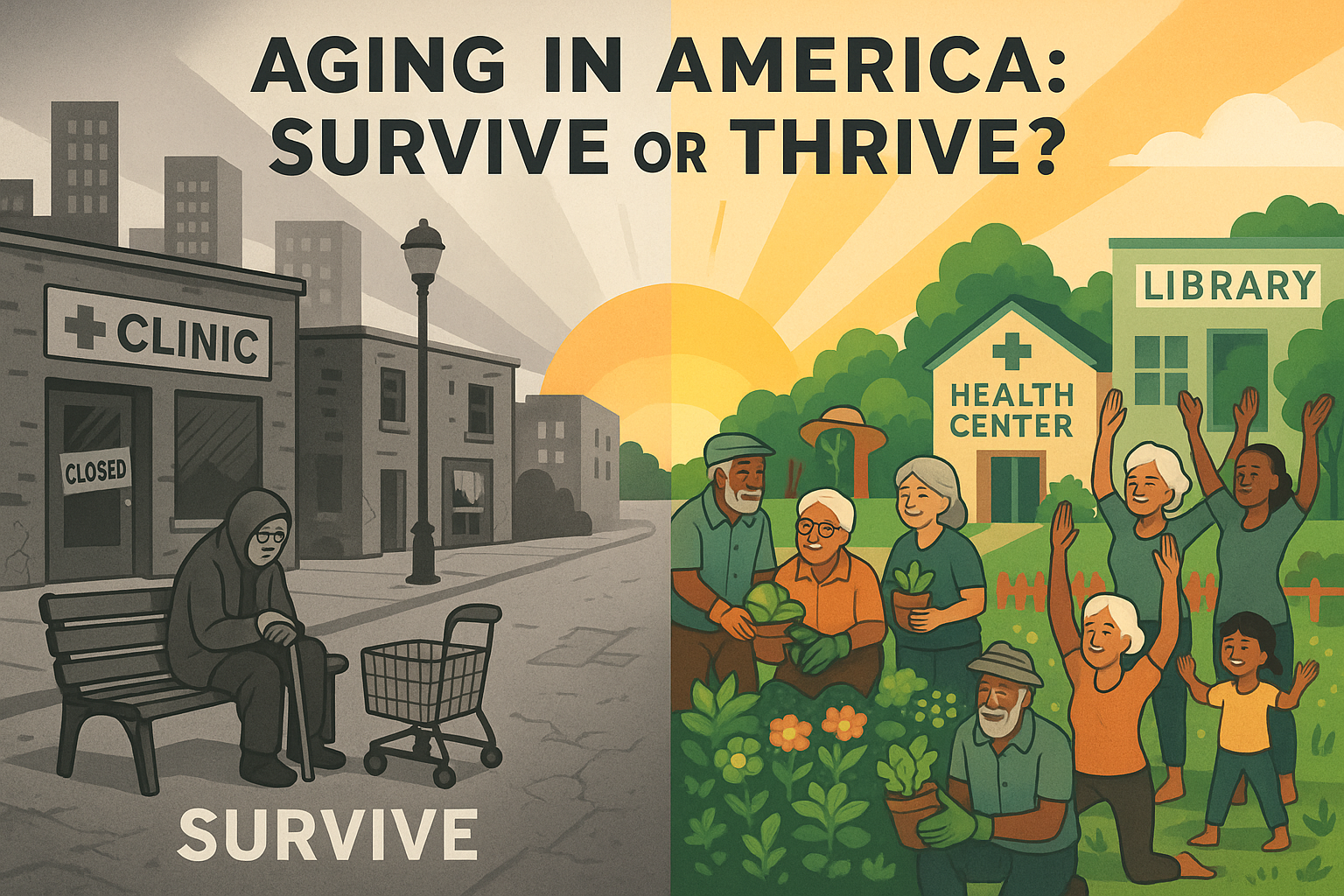
New documentary on aging in America highlights continued challenges, opportunities

There’s a new documentary about aging, Aging in America: Survive or Thrive, that is airing on PBS for the month of May, which is Older Americans Month. The documentary marks the 50th anniversary of the publication of the Pulitzer-prize winning book “Why Survive? Being Old in America” by Dr. Robert Butler.

While the number of Americans over the age of 65 has more than doubled during the last five decades, in part due to medical breakthroughs, the financial stability of older Americans continues to erode. The documentary notes that older people are the fastest growing group of homeless people in America. Older homeless people may find themselves in that situation for the first time in their lives, after a job loss or medical emergency. The film highlights one such case in which a woman, who was a nurse, ended up living in a moving van for almost a year after being diagnosed with cancer and spending her life savings on treatment.

There’s also a touching segment about a wife caring for her husband with Alzheimer’s in Wyoming, and the challenges of dementia care in an isolated rural environment with limited medical services.

The documentary highlights the organizations that are doing commendable work in addressing the needs of the older population in their communities. From providing meals to companionship and aging in place assistance, these organizations provide critical services to older Americans.

America’s preoccupation with youth hasn’t changed much in the 50 years since Dr. Butler noted that bias in his book. The field of geriatrics continues to struggle to attract new doctors. We don’t have nearly enough care workers to tend to our rapidly expanding older population.

Filmmaker Neil Steinberg said in a Next Avenue interview that he wants to encourage people to “rethink aging” after watching the documentary.

“We need to give people the opportunity to live their later years in dignity,” Steinberg said.

Illustration created via ChatGPT.

Leave a comment

Filed under Awareness & Activism

Join AlzAuthors for a poetry reading

I hope you can join AlzAuthors for Poetry for the Dementia Journey, a moving and inspirational poetry reading on Tues. April 29 at 2 p.m. EDT. I’m honored to be one of the participating poets. I’ll be reading a poem inspired by my father’s experience with dementia. The event will be held virtually via Zoom.

While I’ll always consider the essay format to be most suitable for my writing style, I’ve always had a love of poetry. There’s something unique and impactful that comes from writing poetry vs. long-form writing. Distilling emotions and events down to their essence can help one see things in a different light. With poetry, I can’t hide my feelings behind paragraphs of text; I’m motivated to release the raw feelings, which is so cathartic when it comes to the caregiving experience.

If writing poetry feels intimidating, try writing a prose poem. I was thrilled to have Her Lists, a poem about my mother’s colorful and wild shopping lists, included in The Prose Poem journal in 2024. Though I’d written about the same subject that I included in my award-winning essay collection, The Reluctant Caregiver, the prose poem format allowed me the freedom to play with language and rhythm.

AlzAuthors is the global community of authors writing about Alzheimer’s and dementia from personal experience to light the way for others. The wonderful organization is celebrating 10 years, which is hard for me to believe. I’m amazed at its growth and what it has done for the Alzheimer’s community.

If you are unable to attend live, the poetry reading will be recorded and shared on the AlzAuthor’s YouTube channel and podcast. There’s also a free guide that will provide you with links to poetry books written by members of the AlzAuthors community. In honor of National Poetry Month, you can purchase a copy of Poetry for the Dementia Journey: An AlzAuthors Anthology at a deep discount.

Hope to see you at the poetry reading!

Leave a comment

Filed under Awareness & Activism

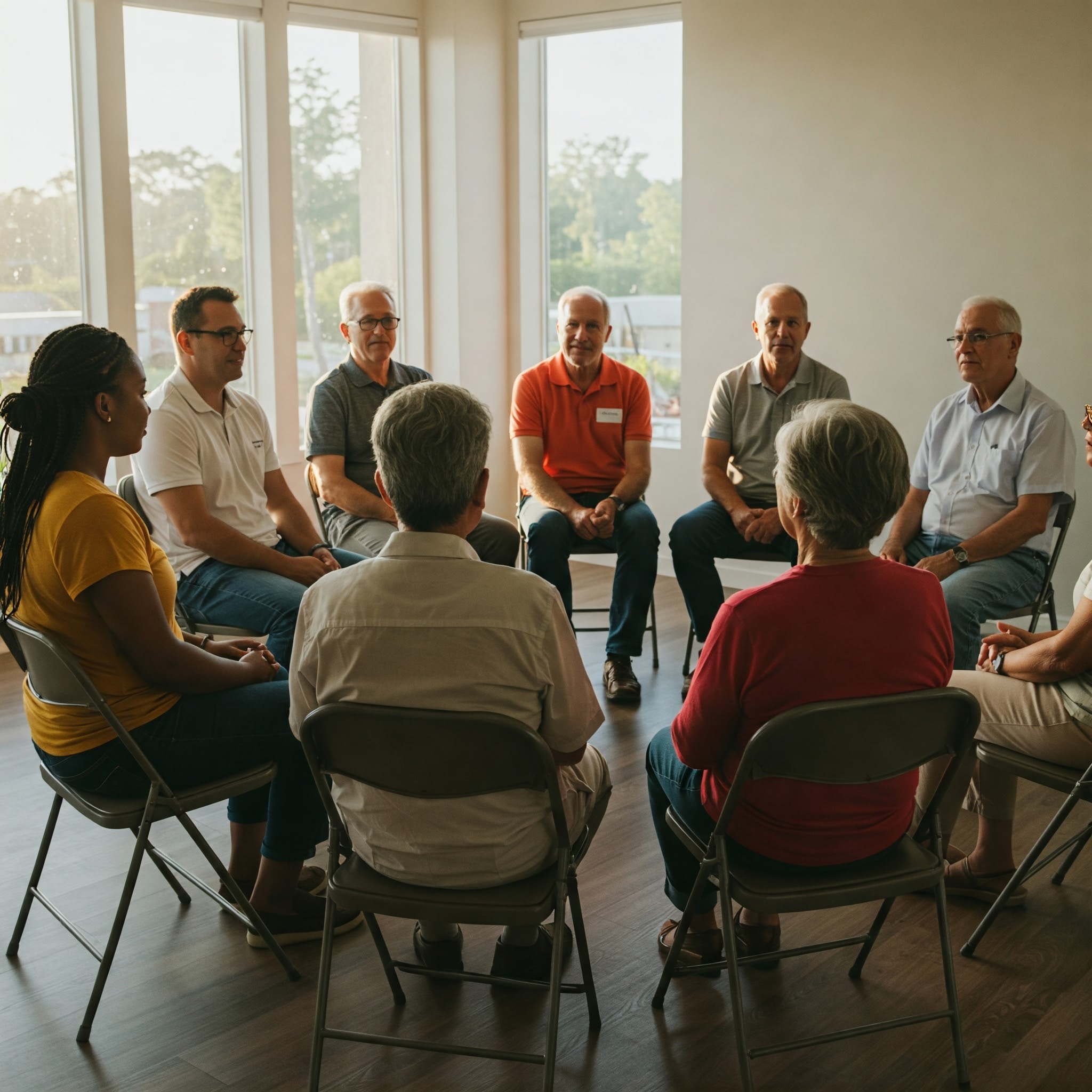
Tips on starting a dementia support group

As government funding vanishes for community-based health programs, it’s becoming increasingly clear that caregivers will need to build their own support networks. If you are considering starting a support group in your community, there are plenty of helpful resources online to help guide you to success.

Today’s Caregiver offers an excellent resource about starting a caregiver support group. The article does a good job addressing the key questions and tasks one must consider, from meeting location to group leader requirements and suggestions on how to set up the first meeting.

I’ve mostly attended online groups but I appreciate the benefits of in-person meetings. There is something special about sharing physical space with others that is difficult to replicate online. But Zoom meetings can offer critical connections to those who might not otherwise be able to attend support groups, such as those in rural locations and those who don’t have transportation options. In this day and age, both options are important to have available to support as many caregivers and care recipients as possible.

There are some unique considerations when it comes to creating a support group for those with dementia. The Toolkit Project offers a variety of dementia-specific resources to help those interested in creating a support group in their community. The Alzheimer’s Society also has tips for facilitating dementia-friendly discussions, including the use of cards to better understand an individual’s communication needs. Keeping things simple and clear, being flexible when it comes to the unexpected, and remaining respectful and compassionate are key factors to facilitating a dementia care support group.

Speaking of community, AlzAuthors is one of my favorite dementia-focused organizations and it is celebrating its 10th anniversary. Join us for a poetry reading on April 29 at 2 p.m. ET. I’m honored to be one of the participating poets.

Image generated by Google Gemini.

1 Comment

Filed under Awareness & Activism

Managing stress as a dementia caregiver

April is National Stress Awareness Month so it’s a good time to discuss healthy ways caregivers of those with dementia and Alzheimer’s can manage stress levels.

The first thing I recommend is to set realistic expectations. The dementia care journey is unique and unpredictable. The more flexible and adaptable you are, the more resilient you will be when facing those tough days when everything seems to go wrong.

Stress can manifest itself in a wide variety of mental and physical symptoms. While people may recognize common symptoms like irritability, anxiety, headaches, and digestive issues, stress can also impair decision-making skills. The longer someone endures a stressful situation, the more difficult it may be to recognize the signs of stress, as the situation begins to feel like the new normal. It’s important to recognize how your body reacts to stressful situations so you can find a stress-relieving method that will work best for you.

There are no shortage of stress reduction techniques that dementia caregivers may find helpful. For me, walks in nature and listening to music were my go-to methods for relieving stress. Anything that helped me reset my brain and my emotional state was effective when I was facing a stressful caregiving situation.

Don’t overlook the ways stress may impact your loved one with dementia. While they may not be able to express their feelings of stress clearly anymore, there are signs that caregivers should aware of as well as the triggers that may cause stress in their loved ones. A caregiver’s mood and stress level may impact a person with dementia.

Being a dementia caregiver can be a lonely and isolating experience. Finding practical ways to relieve your stress, creative outlets to express your feelings, and connecting with others going through a similar situation can be beneficial.

Speaking of creative outlets, I’d like to invite you to a poetry reading taking place at the end of April. Poetry for the Dementia Journey is being hosted by AlzAuthors on April 29 at 2 p.m. ET. The live poetry reading will feature 20 poets, including myself. You can RSVP via this form. I hope you can join us.

Image by ChatGPT.

Leave a comment

Filed under Awareness & Activism

Generative ghosts and the potential impact on the grieving process

AI technology has seemingly immersed itself in every part of our lives, so why not in our afterlives as well?

The concept of “generative ghosts” is outlined in a research paper released in 2024 that includes a Google DeepMind scientist as a contributor. Since then, thanks to a grant from Google, the research continues while at the same time, enterprising AI companies are swooping in to offer products and services. I’ve been following the trend over the last year.

In the paper, the researchers defined generative ghosts as “AI agents that represent a deceased person.” According to the researchers, this differs from a static “griefbot” program where you could have chats with your deceased grandmother about her life based upon data you provide, such as letters, journals and audio and video files to create the information source that the AI chatbot would rely on to provide responses. With generative ghosts, the program is able to create novel content and evolve over time. An example would be a grandmother offering advice on her granddaughter’s wedding day, years after the grandmother’s death.

While some may find such a concept creepy, I can see its benefits especially for younger generations, who have been raised solely in a digital world and who may not have the same emotional connection that older generations have to low-tech sources of family history such as photo albums and scrapbooks. A griefbot that’s a phone app or an avatar of grandma in a short web video sharing her beloved recipe for chocolate chip cookies might be more impactful for younger relatives. Generative ghosts could be tailored to interact with relatives of a variety of ages, serving as a generational bridge to ancestors.

Of course there are many ethical and practical considerations to ponder when it comes to such a concept, which the research paper outlines. One question is whether the generative ghost would speak in first person, as if they were actually the deceased loved one, or in third person, representing the loved one. The form in which the generative ghost assumes is also a question to consider: does it remain in a digital format, exist in a virtual reality world, or does it take on a physical form like a robot? Does the generative ghost remain in its own time period or does it grow in its understanding of current events is another interesting question. One of the most intriguing questions that I found in the research paper was whether the generative ghosts should be allowed to earn income, if say, your relative was a successful author.

The impact of generative ghosts to society could present a host of benefits and consequences. While it could help some through the painful grieving process, it could also interfere with a person’s ability to move on with their lives after the death of a loved one. As with any digital tool, there is the risk of cybercriminals to hack and hijack personal data.

If you could create a generative ghost of a deceased loved one, who would you choose?

Image created by Google Gemini.

1 Comment

Filed under Awareness & Activism

Spring is an ideal time to increase physical activity

As the weather begins to warm and flowers bloom, it’s a good time of year to consider increasing physical activity. A new study suggests that even a small amount of moderate to vigorous physical activity each week can lower dementia risk by a significant amount. The benefits were also seen for older frail adults.

According to researchers from Johns Hopkins who conducted the study, as little as 35 minutes of activity per week helped to lower dementia risk. Each additional 30 minutes of activity was associated with a 4 percent reduction in dementia risk, according to study findings. The Physical Activity Guidelines for Americans recommends at least 150 minutes of moderate intensity exercise per week, which is an average of 20 minutes per day. While that may seem like reasonable guidelines for those in good to average health, for older frail adults, it may be more of a challenge.

My father’s love of walking didn’t prevent his dementia, but it probably did contribute to him maintaining a healthy weight throughout his life, which has a myriad of benefits.

Walking of course isn’t the only exercise that counts towards physical activity recommendations. In some areas of the US, it’s time to get out in the garden. I’ve found yardwork to be a surprisingly good workout. If springtime pollen allergies are too much for you, doing an indoor spring cleaning can be a rewarding physical activity. For older frail adults, there are chair exercises that can be done to support flexibility and reduce fall risk. Yoga and water aerobics are other gentle forms of exercise that can be modified to safely accommodate a variety of physical limitations.

Hope you can find enjoyable ways to be active while welcoming springtime in your area.

Image by DALL·E via ChatGPT.

Leave a comment

Filed under Awareness & Activism

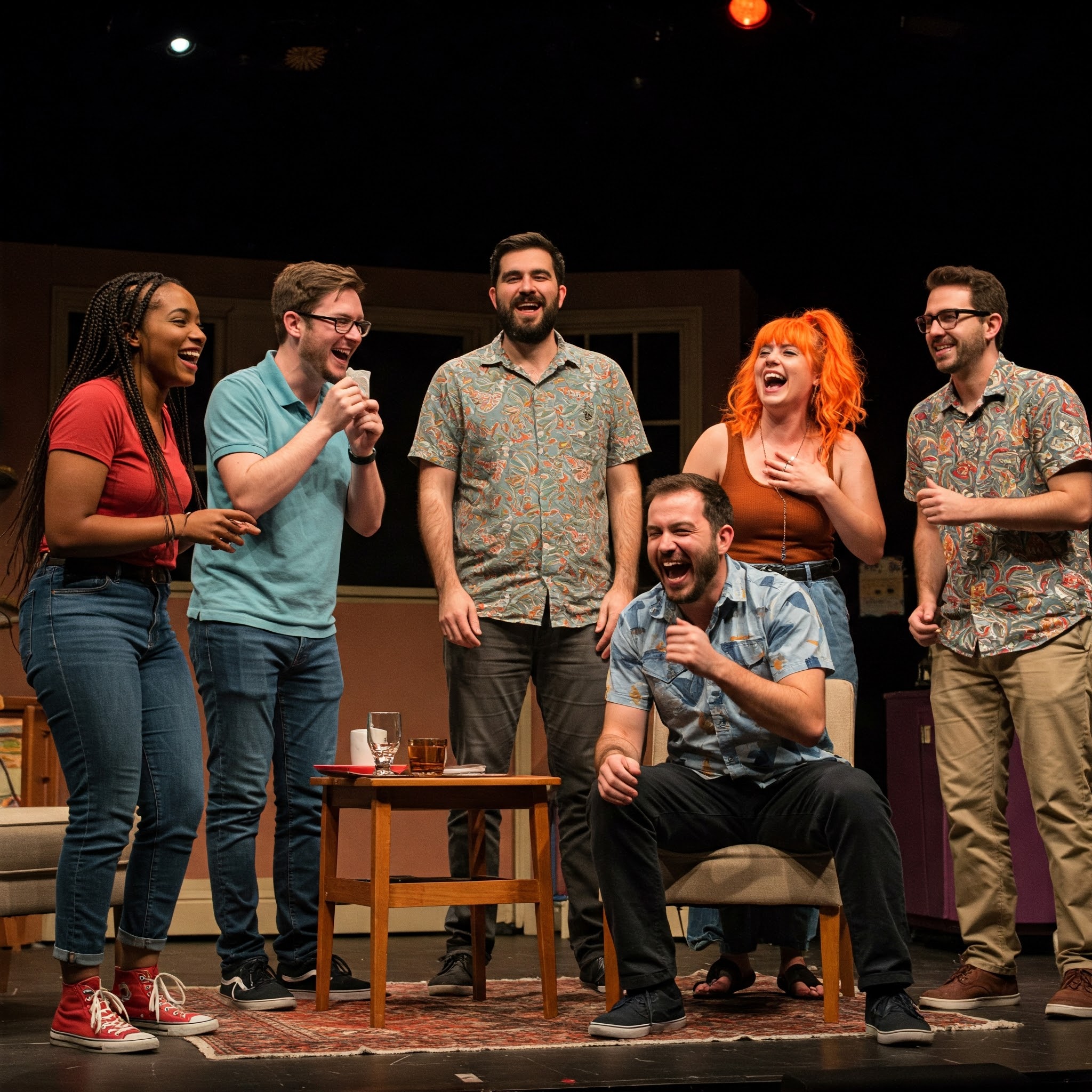
How using improv skills could help dementia caregivers

If you’ve ever attended an improv comedy show, you know that part of the fun is the unexpected ways the skits unfold. Each show is a bit different, based upon the contributions from the players on stage as well as the audience.

Now think about having a conversation with a person with dementia. It may go in unexpected directions. You have to think on your feet about how to respond. Politeness may go out the window; humor, whether intended or not, may present itself. Sometimes conversations may run off the tracks altogether, or into a darker, angrier place, and you’ll need to deploy distraction and redirection techniques.

As a dementia caregiver, you may not have considered the improvisation skills you’ve been implementing in daily communication, but geriatric professionals have taken notice. Where I live in Atlanta, there’s an organization called Improving Through Improv that has a program dedicated to facilitating communication between those with dementia and their caregivers.

A common improv technique is using “Yes, and …” as a bridge between recognizing what the previous person said and then adding to the conversation. One can either build upon what the previous person said or take the conversation in a different direction. The idea is to keep the communication moving forward in a positive manner. For those with dementia, the simple “yes” affirmation may be meaningful and effective, as they may have to deal with other people who constantly correct their mistakes.

Many family members who care for loved ones with dementia find it difficult to let go of a strict sense of reality; my mother struggled with this when caring for my father. She would always correct my father when he said something that wasn’t true, which only left him more confused. For some caregivers, giving in can feel like they are losing their minds too. By using “Yes, and …” caregivers can acknowledge their loved one’s viewpoint without having to agree and remain empowered to steer the conversation forward.

One of the most difficult aspects of dementia caregiving is accepting the fact that while your loved one may look the same, they may be moving in a different reality. “Meet them where they are,” is one recommendation for dementia caregivers, and deploying improv techniques can help in bridging the gap and building a new way of communicating.

Image by Google Gemini.

Leave a comment

Filed under Awareness & Activism

Deaths of Gene Hackman and wife sad reminder of the risk of a spouse-caregiver dying first

Image of Santa Fe via Pixabay.

The unusual circumstances surrounding the deaths of actor Gene Hackman and his wife serve as a stark reminder of what can happen when a spouse who also is the primary caregiver of a spouse with Alzheimer’s dies before their loved one.

Hackman and his wife, Betsy Arakawa, who at 65 was 30 years his junior, were found deceased in their secluded Santa Fe, New Mexico home on Feb. 26. A pest control worker alerted security for the gated community in which the couple lived after showing up to provide service but not receiving a response, KRQE reported. Upon investigating, the security officer found the bodies and contacted authorities.

Embed from Getty Images

An autopsy revealed that Arakawa died of hantavirus pulmonary syndrome around Feb. 11, KRQE reported. Since my parents retired to New Mexico, I was aware of hantavirus, which is rare, with most cases appearing in the southwestern part of the U.S.

Hackman, 95, died of heart disease with complications of what the medical examiner noted as an “advanced state of Alzheimer’s disease.” He’s believed to have died on Feb. 18, when the last activity on his pacemaker was recorded. That means authorities believe Hackman could have spent up to a week alive after his wife died. We will likely never know the details of those days, and whether Hackman realized his wife was deceased or whether Hackman’s cognitive decline may have prevented him from understanding the dire situation.

In addition to the couple, one of their dogs died, while two were found alive. The deceased dog was found in a crate near Arakawa’s body. Veterinary records show that the dog had undergone a recent medical procedure, which likely was the reason it was confined to the crate, authorities said.

Such a tragic ending is a sobering reminder for those who serve as the sole caregiver for a spouse or other relative with a condition like Alzheimer’s in which the care recipient may not be able to call for help or care for themselves in the case of a medical emergency involving the caregiver. By all accounts from friends of the couple, Arakawa closely managed Hackman’s health. As his Alzheimer’s progressed, he likely became even more dependent upon her guidance.

Some have questioned why Hackman didn’t have a professional caregiver, or even a live-in care provider, as he likely could have afforded such a service. It seems Hackman and his wife enjoyed their privacy, and with Arakawa considerably younger than Hackman, and very capable of managing his care, outside help may have felt intrusive and unnecessary. As those of us who have cared for loved ones know, bringing in external help can be upsetting and disruptive to those with Alzheimer’s, as they thrive on routine and familiarity.

What can caregivers do if they find themselves in a similar situation? Having a plan in place to account for a caregiver’s acute health crisis is vital. Share a document with family that includes key health information, current prescriptions, etc. Technology can help; there are numerous medical alert systems available which can call for help with a click of a button or can sense when someone has fallen and automatically send help. My mother found such medical alert services useful as she lived alone. Having a trusted friend or relative who can serve as a check-in buddy can be helpful. Over the last year or so of my mother’s life, we spoke almost daily, which allowed me to assess her wellbeing in addition to offering social connection.

If you have a loved one that you haven’t heard from in awhile, don’t hesitate to check on them.

Leave a comment

Filed under Awareness & Activism