Category Archives: Awareness & Activism

What about dementia in the workplace?

This week, there has been much talk about the Donald Sterling interview on CNN. The Clippers owner continues to make outrageous statements and accusations. It is easy to dismiss him as a crazy, racist old man who has not embraced modern civilization.

office blurry

But then his wife, in another interview, stated that she thinks Sterling has dementia. Now, the wife is desperately trying to retain her stake in the team, so she may just be doing damage control and trying to drum up sympathy. Still, it raised an interesting question for me.

What do we do about dementia in the workplace?

I wrote an article asking the same question on LinkedIn. I am curious to know what laws or regulations exist in the area you live in, or if the company you work for addresses the topic of dementia in any way. Dementia isn’t a new disease, obviously, but my guess is that in past generations, older people who started having difficulties on the job were just encouraged to retire sooner. Most probably did. But in today’s economy, retirement isn’t an option for many older people, or at best, they delay their retirement by several years. There is also the growing number of early-onset Alzheimer’s cases to contend with, so those in their career prime, in their late 30’s and 40s, could also have to tackle this issue.

I’d also like to know what policies you think should be put in place to deal with this sensitive issue. I’m trying to gather perspective from both sides, from the more business-focused people on LinkedIn, to the dementia awareness advocates that I follow here on WordPress.

1 Comment

Filed under Awareness & Activism

Alzheimer’s from the inside out

I finally read “Still Alice” by Lisa Genova. The book came out over five years ago and has been sitting on my must-read list for almost that long. After recently hearing about the upcoming movie adaptation starring Julianne Moore, one of my favorite actresses, I put aside my other reading selections and immediately dived in to the novel.

still-alice-2

“Still Alice” is unique because it attempts to capture the Alzheimer’s experience from a character with early-onset Alzheimer’s as she experiences the early to middle stages of the disease. This is Genova’s first novel, but as a neuroscientist, she has another important angle to add to the book.

While the main character, Alice Howland, is a respected Harvard professor, I still connected with her and could imagine my reactions being very similar to hers if I should ever be cursed with this dreaded disease. Genova does a great job of showing how those in the earlier stages of Alzheimer’s work so hard to cover up their symptoms and appear “normal.” Then one day, even their best efforts are not enough. Genova also illustrates how much fear and dread those with Alzheimer’s experience, most of it retained in an internal dialogue that their loved ones may be completely unaware exists. Some readers may be turned off by how the husband is presented in the book, but I think his response to his wife’s disease is pretty realistic, if unfortunate.

The story immediately draws you in and the main character is well-developed. She is a witty, sensitive intellectual which makes her mental decline all the more heartbreaking.

I highly recommend the book if you haven’t read it yet. If you have, let me know what you thought about the story.

1 Comment

Filed under Awareness & Activism

5 required skills for the toughest job in the world | LinkedIn

I’ve been writing some articles on the LinkedIn platform. When I was brainstorming content ideas, it struck me how many common workplace skills are needed when serving as a family caregiver. Of course, there are many more new skills that you will be required to learn on the fly! In my LinkedIn piece, I highlight five skills I found invaluable while serving as a family caregiver and patient advocate.

holding hands

You can check out my piece here:

5 required skills for the toughest job in the world | LinkedIn.

What skills do you find most helpful as you carry out your caregiving duties? What new skills were the most difficult to learn in order to be a successful caregiver?

2 Comments

Filed under Awareness & Activism

“Chicken Soup for the Soul: Living with Alzheimer’s and Other Dementias” goes on sale today

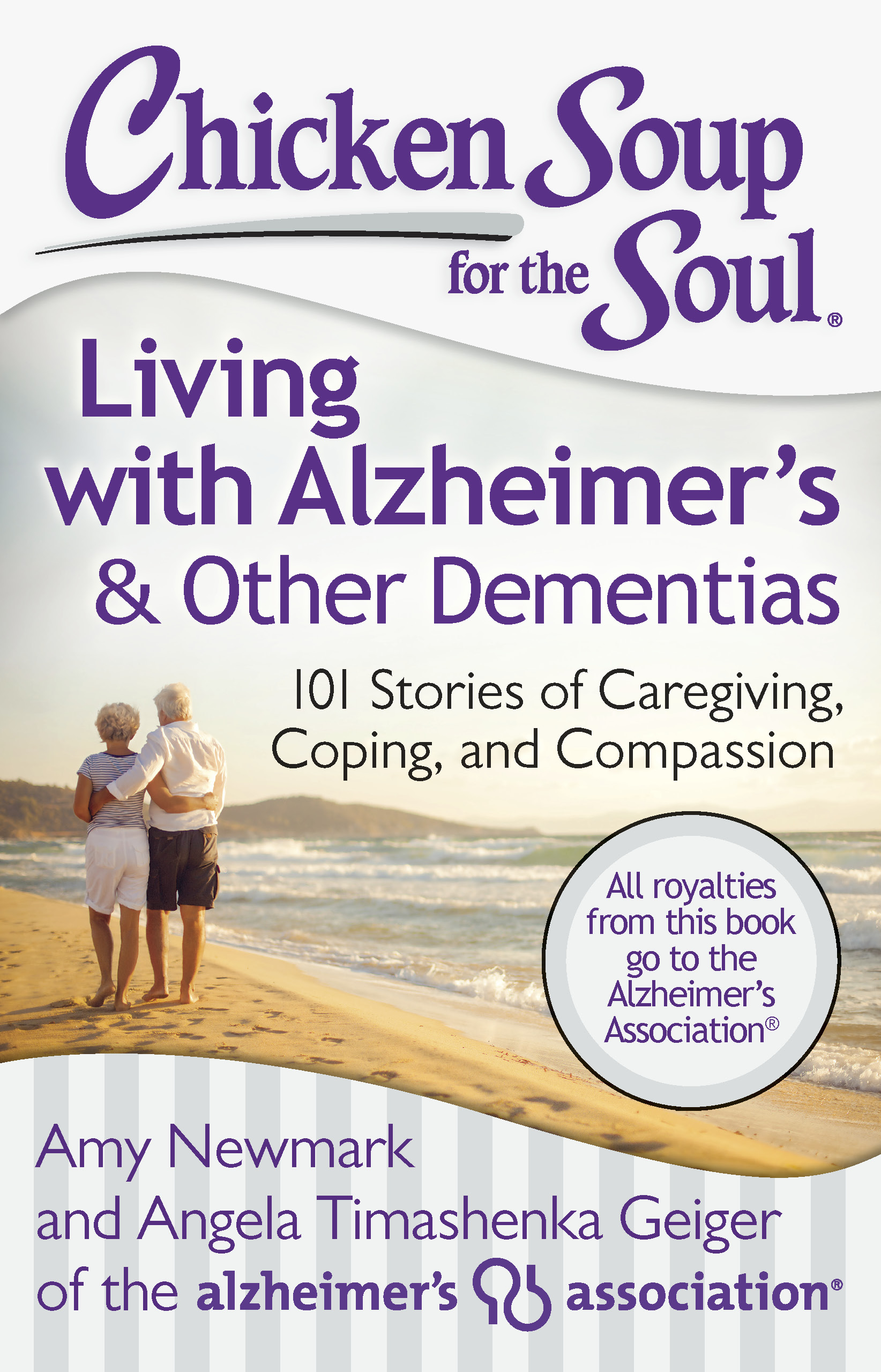
Today is the big day! As I wrote previously, I am so honored to have a story about my father included in the latest “Chicken Soup for the Soul” book. This special edition is dedicated to those with Alzheimer’s or other dementias and their families. The collection includes stories of love, compassion, inspiration and yes, even humor. The best part is that the book is a collaboration with the Alzheimer’s Association, and all royalties will go to the Alzheimer’s Association to help spread awareness about this terrible disease. The book, “Chicken Soup for the Soul: Living with Alzheimer’s and Other Dementias” goes on sale today, at Amazon and all major book retailers and online outlets.

CSS Living with Alzheimer's & Other Dementias

As many of you reading this find yourself the family caregiver of someone with Alzheimer’s, I know you will appreciate the book. It would make a thoughtful gift for anyone coping with Alzheimer’s in their family. If you cannot afford to buy the book, request it at your local library. You will laugh, you will cry and you will gain a greater appreciation of the strength of family caregivers.

If you are curious, my story is titled, “French Toast,” and appears in “The Lighter Side” section. Some of my favorite stories were the funny ones, surprisingly. I loved the one about the mother-in-law who hated cats but had a surprising reaction to a feline when she is in the mid-stage of Alzheimer’s. I also loved the story about the mother with Alzheimer’s who wakes up her daughter in the middle of the night to tell her there is a bird in the house. You’ll have to read the book to find out the wild ending of that story!

I know that wherever Dad’s spirit is now, he would be proud of me for being a part of this project.

2 Comments

Filed under Awareness & Activism

A memory on a postcard

Today I want to highlight a nonprofit organization that I just stumbled upon. They’ve been around since 2009, so many of you may be familiar with them, but I wasn’t. The group is called The Spaces Between Your Fingers Project and the group writes memory snapshots for people with Alzheimer’s that are recorded on postcards and sent to families. The service is free, and a copy of the memory postcard is kept in the Free Library of Philadelphia for archiving purposes. The organization has collaborated with the Alzheimer’s Association in the past. The group also has set up an online tool that allows anyone to record a memory postcard, whether they have dementia or not.

postcard

I love this concept, it is so unique and is a great way to encourage people to record family memories. If you are wondering what “the space between your fingers” means, there is a lovely storybook on their site that takes you through the very touching tale inspired by the founder’s grandfather. You may look at Alzheimer’s in a whole new light.

I plan on giving the service a try soon and will share what I create.

What is the first memory from your life that you would want to preserve?

2 Comments

Filed under Awareness & Activism, Memories

Reimagining the simplest things

I’ve finished reading my advance copy of Chicken Soup for the Soul: Living with Alzheimer’s and Other Dementias and I am deeply moved by the brave and loving stories shared in this collection. As we approach the release date of April 22, 2014, I will be blogging about some of the stories that I found particularly touching.

CSS Living with Alzheimer's & Other Dementias

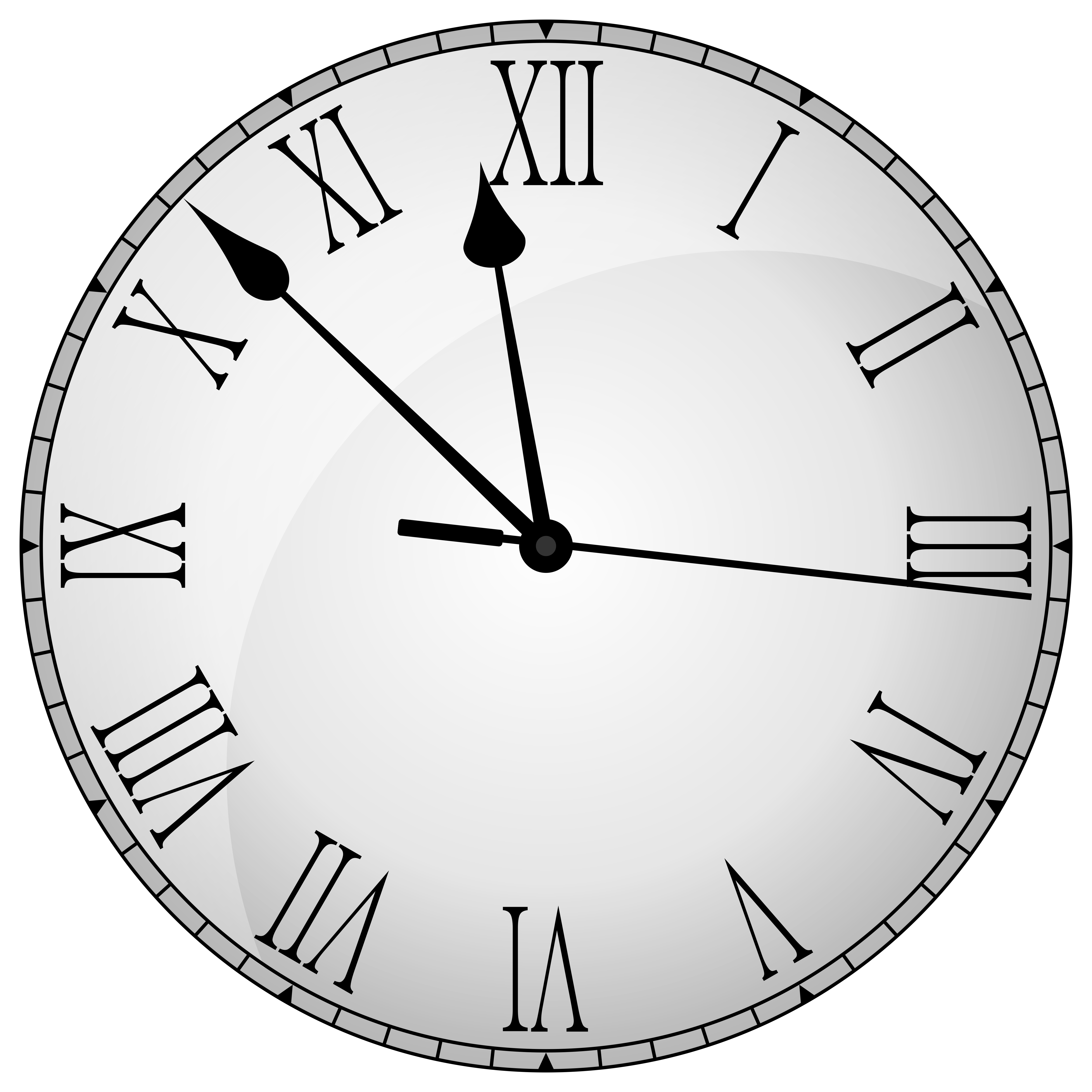
One such story was about a man who had been married for many, many years to the love of his life. Once his wife was diagnosed with Alzheimer’s, he tried his best to adapt their lives to deal with the disease. One area where his wife really struggled was with telling time. For those of us who have dealt with Alzheimer’s in our own family, we are all too familiar with the “clock test” and how that is used as one marker to determine a person’s cognitive functioning. My dad never took the test that I am aware of, but my mom did. My mom does not have dementia, but when she developed cancer, she was so ill that she stopped eating and her potassium levels dropped dangerously low. This can impact cognitive functioning, and boy, did it ever. I watched my mom struggle to draw that clock, and I thought my mom was facing the grim future of my father. Fortunately, her cognitive function was restored once her illness was treated.

clock

But back to the story. After the wife repeatedly asks the husband in the span of a short time when dinner is, the man puts on his thinking cap. Knowing that she cannot tell time now by a traditional clock, he sets out to recreate the tool we use to tell time. He removed the second hands and the minute hands, leaving only the hour hand moving. He then places a piece of tape above the hour they are going to eat. With the simplified version of his clock, his wife can now understand when their next meal will be, relieving a bit of stress for both of them.

Will there come a time when his wife will not be able to understand even the reconfigured clock? Probably. But the love and wisdom shown in the husband’s actions will definitely withstand the test of time.

Leave a comment

Filed under Awareness & Activism, Memories

If only Alzheimer’s was a cruel April Fool’s joke

If one had to pick a holiday to associate with Alzheimer’s, it would definitely be April Fool’s Day.

file3681238874783

Our loved ones with early to middle-stage Alzheimer’s often appear so normal, just how they’ve always looked to us. (During the latter stages of Alzheimer’s, the physical symptoms of the disease tend to be more readily apparent.) But then they open their mouth, or don’t respond to their name, or don’t recognize that you are their loved one, and it is like the cruelest April Fool’s joke in the world.

If only our loved ones were pulling off such a prank, and could snap back into their old selves while laughing and shouting, “April Fool’s!”

As I’m reading the wonderful stories in the upcoming “Chicken Soup for the Soul Living with Alzheimer’s and Other Dementias” book, I found two Alzheimer’s-related behaviors that fascinate me. One relates to April Fool’s in that humor can still be found in the Alzeimer’s experience. Often it is unexpected or unintentional humor, but it is there if you seek it out. The other is the way the disease works on the brain and how people with even mid- to latter-stage Alzheimer’s can sometimes have a lucid moment. Time and time again, people described how it was like a veil was lifted, or the fog dissipated, albeit temporarily. I remember experiencing this with my father, and what precious moments those were for me.

But then Alzheimer’s would cry, “April Fool’s” and my dad’s mind would be lost in the fog of dementia once again.

1 Comment

Filed under Awareness & Activism, Memories

Supporting a grieving friend

I want to take a moment to send my condolences and loving support to Terry Shepherd. While I have never met her in person, I feel I know her quite well, as I’ve been following her terry1954 blog for awhile.

al-collage

Terry was the primary caregiver of her brother, Al, who had a terribly debilitating disease called Multiple System Atrophy. Al was mentally challenged as well, which complicates the caregiving situation. Over the last several months, poor Al has essentially been dying a slow death. While Terry had some home health help and a dear friend who would offer her moments of respite, Terry took care of most of Al’s needs, from feeding to bathing and changing his diaper. Terry bravely and beautifully documented her caregiving experiences on her blog. She has many blogger friends who like me, know what a special person she is and offered support and advice throughout the ordeal. On Monday, Terry wrote on her blog that the angels came.

Those of us who have experience the death of a loved one, especially when long suffering is involved, know that there is some level of relief that their loved one is free of pain and disease. But of course, the grief at the loss of someone you’ve been so close to and have taken care of is still so painful to bear. If you have any words of solace or support you would like to send along to Terry, you can do so on her blog.

I have learned so much from Terry. The patience, love and fighting spirit she had in caring for her brother is admirable and a great example for all of us to follow. She does not sugarcoat the caregiving experience: the loneliness and isolation, the frustration with care providers, the hopelessness and exhaustion. Terry bares her soul on her blog, and I can only hope that her blog followers offered her at least some solace through our support and prayers for her and Al.

Rest in peace, dear Al. I hope you are flying with the angels.

1 Comment

Filed under Awareness & Activism

The most difficult lessons of caregiving

I finally had the chance to read Jai Pausch’s memoir, “Dream New Dreams.” She was the wife of Randy Pausch, the professor who gave the moving “Last Lecture” that went viral a few years ago. As you may remember, Randy bravely battled pancreatic cancer, and Jai served as his primary family caregiver. The couple also had three young children at the time. The memoir covers all of the aspects of caregiving and the physical, mental and emotional impact being a caregiver has on an individual and a family. Jai Pausch writes with honesty and bravery. I highly recommend the book to other caregivers. There is a lot you no doubt will relate to in this book.

hands

One of the most poignant and enlightening moments of the memoir for me comes near the very end of Randy’s journey with cancer. Jai does not sugarcoat the impact that cancer had on their relationship as husband and wife, and how she often struggled to maintain the household, raise three young children essentially alone, and try to be a loving caregiver to Randy. In the last month of his life, they make one last trip together for an experimental cancer treatment. Jai admits that they were not getting along. In front of a social worker at the hospital, Randy said something about his wife that hurt her deeply.

“He said he felt I was unempathetic: doing a great job of all the things anyone could do, and a terrible job on the things only I could do.

Wow, what a devastating statement from a dying man. Jai was of course wounded by this accusation, as any family caregiver would be. Here she was, running the household, paying the bills, taking care of three kids under six years of age and being a caregiver for a cancer patient, and he had the nerve to complain? Jai really didn’t think she could do any more than she was already doing.

Jai recounts what their wise psychologist suggested when Jai told her the crushing words Randy had said: “He wants you to tell him you’re going to miss him when he’s dead.”

That is blunt advice to be sure, but it was a breakthrough moment for Jai as a caregiver. Jai was working so hard to maintain a stoic exterior, to not make Randy feel guilty about how much pain she was going to feel when he died that she was coming off as cold and uncaring to him. So on the doctor’s advice, she went to Randy and cried and expressed how much she was going to miss him. Jai says Randy was comforted.

I think this is a great lesson for all of us caregivers. We work so hard to be invincible that sometimes we forget we are human. While we may want to shield our sick loved ones from much of the pain, sadness and frustrations we feel, we should not do so at the expense of cutting off emotions altogether. Randy was right: almost anyone can perform the physical duties of caregiving, but the love you have for that person is unique and only something you can express. Take time to show how much you care.

1 Comment

Filed under Awareness & Activism

Doctors dropping the ball on nursing home transfers

Anyone who has spent any time in a hospital, whether as a patient or a caregiver knows that seeing the doctor is like finding the holy grail. I remember endless hours just waiting for the elusive doctor to appear, just so he could take a cursory glance at my mom or dad, flip through the chart, and then provide the signature we’d been waiting all day for. This is especially frustrating during hospital transfers.

hospital hallway

A recent University of Missouri survey of that state’s nursing home staff members found that there is poor communication between the doctors at transferring hospitals and physicians on staff at the admitting nursing homes. The survey also found that orders are often incomplete and difficult to read. The transfer process can take hours, creating a frustrating experience for both staff and families.

I wrote recently about the guilt I felt about Dad’s last minutes in this world. His DNR order had not transferred from the hospital to the skilled nursing facility, so the nursing home staff were legally required to take all measures to save his life when he collapsed in the shower. The result of that failure: my dad suffered broken ribs as he died.

The blame for this failure is not just on the doctors, hospitals and nursing homes. As family members for loved ones who are ill, we become patient advocates. I remember wondering if the DNR order for my dad had transferred, but I never inquired with the staff at the skilled nursing facility. It had been so difficult to get Mom to agree to the DNR at the hospital, I frankly did not want to deal with that drama again. I hoped Dad would pass quietly on his own, but as many of you know, that often doesn’t happen.

So yes, as patient advocates we need to demand better communication between the hospital staff and nursing home staff. But we also need to check behind them, and then double-check, to make sure medical care orders are recorded properly. Dealing with these issues may be frustrating, but it is much better to know that you tried than to have to live with a lifetime of regrets.

Leave a comment

Filed under Awareness & Activism