November is National Family Caregivers Month. While caregivers can use support all year long, this is a great time to step up efforts and let the caregivers in your life know that you appreciate them.
If you are looking for inspiration, don’t miss the airing of Wine, Women, & Dementia on PBS. Check with your local PBS station for more details. You can read my review of how this caregiver community grew online and in-person to foster authentic connections and provide critical emotional support.
Sometimes, caregivers who feel isolated in their specific caregivers situations have to create their own community. Dawn Shedrick did just that, and her caregiving journey is captured in this NPR article.
Real Simple has a good list of ways people can support the family caregivers in their lives. One of the tips is keep showing up. Just like caregivers keep showing up for their loved ones, we can do the same to support caregivers.
As with many other household expenses, the price of in-home care services has skyrocketed over the last few years. With so many people desiring to age in place at home, families are quickly learning the financial challenges of honoring the elder loved one’s wishes.
The Wall Street Journal reported on the increasing cost of home care, in which the national median cost of a home health care aide is $33 per hour. In 2015, the year that my mother died, the cost was $20 per hour. One woman in Nebraska that was interviewed for the article said she spends a staggering $240,000 per year for home care to tend to her husband, who has Alzheimer’s.
While the hourly rate paid to agencies who employ home health care aides has skyrocketed, the pay the aides actually receive remains low. Median pay for home health care aides is $16.12 per hour, according to figures cited in The Wall Street Journal report. The low pay means high turnover and a challenge in recruiting enough aides to meet growing demand.
The article also discusses the potential high cost of retrofitting an existing home to accommodate the medical needs of a loved one. For example, adding an accessible bathroom on the first floor of a multi-story home for a loved one who can no longer navigate stairs. It would be wise to assess the home your elder loved one resides in and think about the changes that may be necessary as they age, before a healthcare crisis occurs.
Of course, residential facility care comes with a hefty price tag as well. According to a 2023 Genworth study, the monthly median cost for a nursing home facility in the US is $8669 for a semi-private room and $9733 for a private room.
What can families do to address the growing costs of elder care? Long term care insurance may help cover some costs, but read the policy carefully to ensure it covers in-home care service. Those who own homes may explore taking a home equity line of credit or a reverse mortgage. Family members may delay retirement in order to preserve access to good health insurance benefits. As The Wall Street Journal article states, families should not count on an inheritance because that money may be needed to pay for long term care.
Family members who can’t afford to pay for long term care may have to sacrifice their careers in order to do it themselves. I experienced a disruption in my career when I had to quit my job to take care of my mother for half a year as she recovered from major surgery. I don’t regret the decision but I’m still feeling the impact in my retirement funding, which is well behind where I should be at 50 years old.
Does all of this sound depressing? Honestly, I’m glad The Wall Street Journal wrote such a sober, honest article on the topic. The astronomical cost of care in the US needs to be recognized by the general population so that we can increase advocacy efforts to address this untenable situation.
What songs would you like to listen to as you depart this world. Marie Curie conducted research on this intriguing topic and compiled a list of the most popular songs for those at the end of life, The Guardian reported. Familiar favorites like Frank Sinatra’s “My Way” and “Hey Jude” by the Beatles made the top 10 list, as did a couple of perhaps more surprising selections: “Girls Just Wanna Have Fun” by Cyndi Lauper and “The Best” by Tina Turner. Check out the complete top 10 list and learn more about the study on Marie Curie’s website and listen to the playlist on Spotify.
Music therapy can have a profound and positive impact at the end of life, as well as for those with conditions like Alzheimer’s disease. The Marie Curie study found that playing music had a calming effect for the vast majority of those in end of life care.
Music is a personal passion for many people, whether they play instruments or are devoted fans to particular artists and bands. There is no right or wrong answer when it comes to selecting favorite songs for an end of life playlist. Some may choose soothing music, others may want to rock out to their favorite songs that remind them of happy times in their life. I remember having a brief hospice consultation when my father was in the hospital at the end of his life. Sadly there was no room in the inpatient hospice unit for him, but I remember the counselor asking about Dad’s favorite music. That was easy to answer. Dad’s playlist would have included Bing Crosby, Frank Sinatra, and at least one rendition of “Danny Boy.”
When my mother was dying at home, I played her favorite music. Mom had fairly eclectic tastes, but she was most fond of classic country such as Willie Nelson, Dolly Parton, Kris Kristofferson, and Glen Campbell. But when my mother took her last breath, she departed on an upbeat tune by Trini Lopez, which matched Mom’s personality quite well.
I also have eclectic tastes in music so my playlist would include selections from Eva Cassidy, the McGarrigle Sisters, Gillian Welch, a mix of classic country and 1980s-1990s alternative rock, along with bluegrass and Celtic instrumentals.
What music would you include in your end of life playlist?
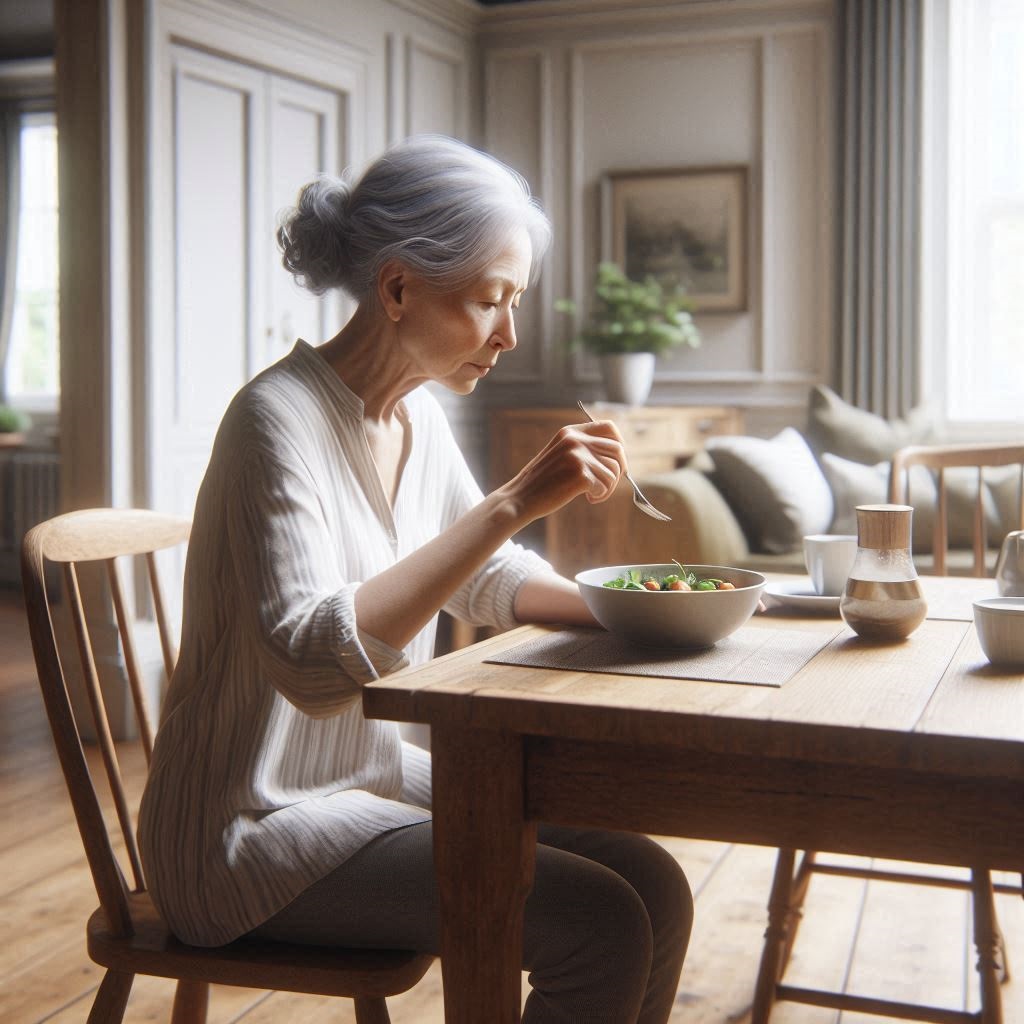
A recent article in The Washington Post discussed a growing and concerning trend: women who live alone and have dementia. Women tend to live longer than men and have a greater chance of developing dementia, so this trend is not surprising, but raising awareness may help communities better serve this aging in place population who have specialized needs.
As someone who is kinless and divorced, with dementia on both sides of my family tree, I think about this scenario often. For now, I’m focused on maintaining good overall health while I consider for my future living arrangements a planned community that intentionally accounts for the needs of their elder population. Things like providing rides to doctor’s appointments or for grocery shopping and offering lawncare and home repair services can help support an elder in the earlier stages of dementia who is living on their own. Making professional services such as financial and legal advisors is also beneficial. One of the most important tasks is one of the most simple: checking in on neighbors with dementia who are on their own to reduce isolation and as a way to ensure someone who needs a higher level of care receives it.
For long-distance caregivers, one challenge is encouraging your elder loved ones to take advantage of resources in their community. After my father died, my mother was very lonely, yet she shunned the social groups at the community senior center. I felt helpless in trying to aid in this situation. My mother didn’t have dementia, which can create an additional layer of resistance.
Here are resources for those with dementia who live alone:
When younger, I was a sporadic voter and I still maintain skepticism when it comes to viable government solutions to the major issues impacting our country. As this article from The 19th points out, I’m not the only caregiver who has felt abandoned by lawmakers.
Recently, both the Democrat and Republican presidential candidates offered their plans on how to better support caregivers. As we know from past elections, candidates offer many plans that sound good, but once in office, those plans are often derailed by Congress and/or the courts. Funding for programs supporting caregivers, from childcare to eldercare, always faces an uphill battle.
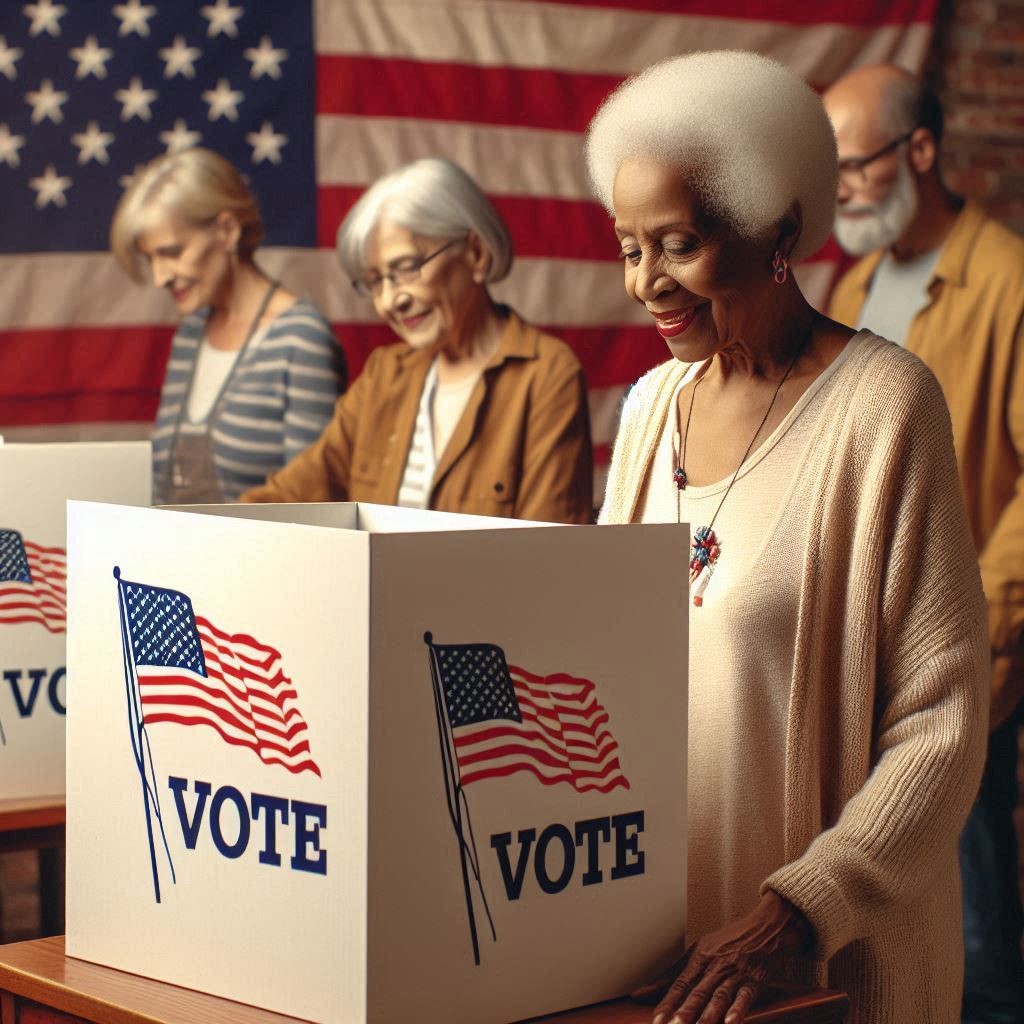
If the toxic political atmosphere has you feeling down, one empowering action you can take is by helping older folks and disabled people exercise their right to vote.
Without quality, affordable care, millions of caregivers and care recipients in the U.S. may not be able to vote.
Before Election Day, make a plan to help support caregivers, older adults, and disabled voters in your life and yourself – so we can all vote. #WeCareWeVotepic.twitter.com/YSAAQOTepu
— Caring Across Generations #CareCantWait (@CaringAcrossGen) October 10, 2024
I’ll also be voting in honor of my former colleague, who died last month. She so wanted to live until the election, and spent the last month of her life working on a plan to be able to vote. It’s an important reminder to not take the right to vote for granted.
An article published by Nature recently caught my eye. Instead of medication, a non-invasive treatment called “gamma frequency stimulation” has shown some promise in curbing further cognitive decline in those in the early stages of Alzheimer’s disease, according to early clinical trial study results.
The method may sound dubious at first but the science behind it is interesting. Researchers have discovered that in addition to amyloid and tau protein accumulation, gamma frequency oscillations in the brain occur at a reduced rate in those with Alzheimer’s. Could gamma stimulation boost frequency, reduce amyloid and tau amounts and preserve or improve cognitive functioning?
Mouse models were promising and so are the initial findings of a randomized controlled trial, which found that the “daily use of 40Hz light and sound devices in patients with probable mild AD revealed preserved brain volume, improved memory, and stabilized sleep circadian rhythms.” A longer 30-month extension of this trial found that “patients showed surprising cognitive stability” even during the COVID-19 pandemic. Other trials both at the academic and industry level have reported similar results.
What does the patient have to do to receive such treatment? One product requires a person to wear a special headset and glasses for an hour each day which produces rhythmic clicking and flashing lights that repeat 40 times a second. Another product comes in the form of a specialized light box. Researchers are attempting to make the light flicker and clicking sounds required for the gamma stimulation treatment more tolerable to users by incorporating music into some devices.
Gamma stimulation is not without health risks, especially for those prone to seizures. More research is needed and those interested should be wary of vendors selling expensive machines to consumers that have not been approved for treatment. I’ll be following developments in this trial as I’m all for effective at-home treatments that don’t require pricey medication that can come with a host of serious side effects.
I was sad to see the destruction that Hurricane Helene caused in Newport, Tennessee. While all eyes were on Florida where the Category 4 storm made landfall, areas far away such as Asheville, North Carolina and Newport also suffered significant damage.
Newport was my mother’s hometown, and always held a special place in her heart. The east Tennessee community in the shadow of the Great Smoky Mountains played a major role in all of my mother’s fondest childhood memories, from tending to the animals on the farm to family picnics in the Smoky Mountains.
Flooding has made some roads inaccessible and has led to hazardous driving conditions. Commercial buildings and homes have suffered water damage. There have been numerous water rescues, including one from the rooftop of a hospital in a nearby county.
This isn’t the first natural disaster to impact an area connected to my parents. In June, wildfires ravaged Ruidoso, New Mexico, where my parents retired.
A week ago, residents of Newport, Asheville, and other areas far removed from the Florida coast weren likely not thinking about storm preparations. Yet, here we are. That’s why it’s important as a family caregiver to have a storm preparation plan in place. Evacuation decisions can be difficult to make for medically fragile loved ones, but it can also be difficult to remain and potentially be cut off from necessary medical services. Doing research and planning ahead of the next storm can make all the difference.
Earlier this month, a former colleague of mine, Marcia Killingsworth, died from lung disease. Our paths crossed professionally when we worked for the same newspaper and then we became longtime Facebook friends, where we shared a loving devotion to our cats.
I knew that Marcia had been actively involved in her community of Edison, Georgia, where she moved back to after retiring. An article written after her death highlighted just what a difference her contributions made to the town. Marcia was dogged in her dedication to holding the town’s leaders financially accountable, faithfully attending monthly city council meetings, taking notes and asking critical questions. She followed up on issues until she received answers, and documented everything on social media. This is not glamourous work, but it is necessary. Her actions inspired others to join her. One of those residents said of Marcia: “She was the one who brought Edison to light.”
I love that and hope it will offer inspiration for those of us working to raise awareness of Alzheimer’s and other dementias. Sometimes our work can seem futile and discouraging, but individually and collectively, we are making a difference. Our actions may not make headlines or go viral, but they will be remembered by others.
The Alzheimer’s Association had an interesting blog post recently about the issue of cognitive impairment in the workplace. As the U.S. population ages and older people by financial necessity or personal choice are staying in the workforce longer, we need policies to address this sensitive issue.
While modern workplaces, to be compliant with the Americans with Disabilities Act. have evolved over time to better accommodate workers with a variety of physical disabilities and conditions like autism and dyslexia, it seems like similar considerations for those with dementia are a work in progress.
Because dementia is an umbrella term that includes a variety of diseases from Alzheimer’s to frontotemporal dementia (FTD) each with their own unique set of symptoms and behaviors, creating a comprehensive policy will be difficult. The Alzheimer’s Association includes recommendations in their blog post:
Training: Human resources need to be educated on signs of dementia, which can present symptoms that may be mistaken for conditions like substance abuse or depression.
Accommodating: From flexible schedules to technology enhancements, employers should consider how to assist workers with dementia so they can remain productive and engaged.
Support: There will come a time when a person with cognitive decline will progress to the point where they need to retire. Companies should do their best to allow for a dignified exit that leaves the worker feeling some agency in the decision and provide the worker’s family with options for support, such as disability and retirement benefits.
Hopefully with greater awareness, employers in conjunction with medical experts and dementia awareness advocates will create sensible and sensitive policies to address this important issue.






![Pageflex Persona [document: PRS0000038_00069]](https://memoriesproject.files.wordpress.com/2014/02/reluctant-caregiver-cover.jpg)






 The Memories Project