Tag Archives: Alzheimer’s

Highlights from the 2025 Clinical Trials on Alzheimer’s Disease Conference

It was a busy year in Alzheimer’s research. In December 2025, the 2025 Clinical Trials on Alzheimer’s Disease Conference was held. The Alzheimer’s Prevention Registry shared highlights from the conference.

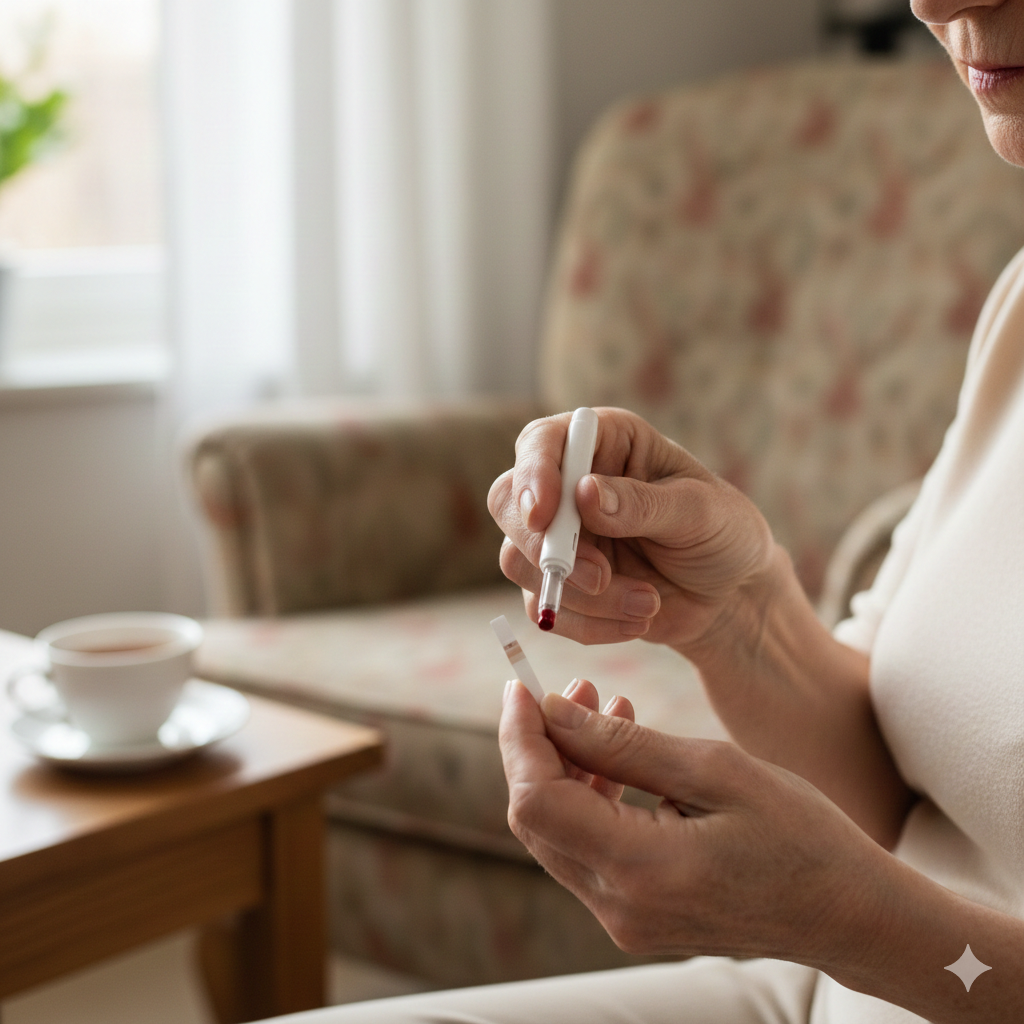
  • Blood biomarker testing is an area of research I’ve been closely following. There have been advancements in using blood biomarkers to accurately detect abnormal blood proteins like amyloid and tau. Developing reliable, simpler, and most cost-effective diagnostic methods for Alzheimer’s and other dementias will allow people to be diagnosed and treated sooner, when the currently available treatments are more effective.
  • GLP-1s: You may have seen reports about drugs like Ozempic and Mounjaro, which have become popular weight management treatments, may also help reduce brain inflammation and offer other brain protective benefits. Research is underway to see if such drugs could be used to treat or prevent Alzheimer’s and other forms of dementia. Early results were disappointing, as the drugs failed to slow disease progression in people with early-stage Alzheimer’s, but further research will be conducted.
  • Lifestyle interventions offer cognitive benefits: I wrote last year about the U.S. Pointer trial findings and how structured lifestyle interventions including diet, exercise, and cognitive training led to improved cognition. At the December conference, more results were shared, including small benefits for those with sleep apnea, which has been linked to an increased dementia risk. Also shared at the conference was research on the benefits of receiving the shingles and TB vaccines.
  • Updates on current Alzheimer’s treatments: While there have been controversies about lecanemab and donanemab, the latest research shows that they do help slow the progression of the disease, even after treatment is stopped. This is an important finding as these treatments raise the risk of serious side effects such as brain bleeds. The next generation of anti-amyloid treatments are being developed and tested, with a focus on reducing side effects while offering meaningful benefits.

These findings demonstrate the hard work being conducted by Alzheimer’s researchers to improve testing and develop more effective treatments with fewer side effects. The cognitive benefits of lifestyle changes should not be overlooked, as research continues to find positive impacts in this area.

Image generated by Google Gemini.

Leave a comment

Filed under Awareness & Activism

AlzAuthors now part of the All Home Care Matters family

In case you didn’t hear the news, AlzAuthors is now officially part of the All Home Care Matters family.

I’ve been fortunate to be part of the AlzAuthors community over the years and had the opportunity to share The Memories Project blog, my personal essay collection The Reluctant Caregiver, and more recently, poetry. I look forward to this new chapter and supporting the mission of sharing the work of authors writing about the Alzheimer’s and dementia experience. In addition to showcasing books, AlzAuthors hosted a podcast and a film festival.

AlzAuthors celebrated its 10th anniversary in 2025. I’m grateful to all of the volunteers who donated their time and talent to build and grow such a wonderful organization.

You can read more about the transition on the All Home Care Matters website.

For those who have contributed to or have used AlzAuthors as a resource, the website and its helpful content will remain available. Stay tuned as new opportunities to share and connect become available.

Leave a comment

Filed under Awareness & Activism

Gauging dementia assistance need can be a challenge for caregivers

Each dementia case is unique. There are many forms of dementia, each which affect different parts of the brain and may cause different cognitive symptoms. As a caregiver, one area that can be difficult to navigate is how much help a loved one with dementia needs. That’s in part because progression isn’t linear and there may be good and bad days that can create an emotional minefield for family members. It can be heartbreaking to see a loved one’s reaction when they realize they are losing their independence even when family caregivers have their best interest at heart. On the other end of the spectrum, family members can feel tremendous guilt if an incident happens because they weren’t monitoring their loved one enough.

Dr. Elaine Eshbaugh had a good post on this topic on her blog, When Dementia Knocks. As she points out, there’s no definitive guide or course of action to follow. The best advice is simply to pay attention, try to include your loved ones with dementia in daily activities as long as it’s having a positive impact, and don’t beat yourself up because you did too much or too little on any given day. As a caregiver, the most important moments to step in are for safety reasons. If your loved one loves to cook but it’s not safe for them to cook alone, maybe you have a night where you cook together. If your loved one can no longer safely drive, consider taking them for scenic drives or on a drive to a favorite spot.

It can be a challenge to honor a loved one’s independence while at the same time protecting them from harm. So much of dementia caregiving becomes ad-libbing your way through each day. As Dr. Eshbaugh says in her blog post: “You won’t always get it right, and that’s okay.”

AI image generated by WordPress.

Leave a comment

Filed under Awareness & Activism

Holiday gift ideas for caregivers

Each year I consider a wide range of useful gifts for caregivers, everything from books to high-tech gadgets. No matter how amazing a gift is, I’ll always believe that personal time away from caregiving duties is the most precious gift of all. Respite comes in many forms, and can be as simple as an afternoon off to engage in self-care. For the family caregivers on your gift list this holiday season, think about how you can give them a bit of personal time back.

The good news is that in a year in which many are struggling financially, giving someone else time need not cost money, but only sacrificing some of your time. Offer to sit with a loved one to free up time for the caregiver. Volunteer to assist with a time-consuming task, like grocery shopping or making meals. Cleaning the house or tackling household repairs are other ways to give the gift of time.

Here are some other thoughtful gift ideas for caregivers:

Joe & Bella: Dressing can become a time-consuming challenge for those with dementia. I love the line of adaptive clothing from Joe & Bella, which looks nice and includes clever additions, like magnetic closures and CareZips to save time and reduce frustration.

Happy Healthy Caregiver: Check out the digital gifts, such as a self-care journal and for something with a personal touch, create a Caregiver Jar filled with affirming and inspiring quotes.

Alzheimer’s Association Gift Guide: Thoughtful gift ideas for caregivers and people living with dementia. I like that the guide offers suggestions at different stages of the disease.

Of course, I will take a moment to recommend my book. Beginning Monday Dec. 8 through Jan. 1, Smashwords is running the 2025 End of Year Sale. You can get the e-book version of my award-winning personal essay collection, The Reluctant Caregiver, for half-off.

Happy holiday gift giving!

Image generated by Google Gemini.

Leave a comment

Filed under Awareness & Activism

‘Presence over perfection’ excellent advice from a dementia caregiver

A recent post on the Alzheimer’s Association website offers a message for those who may feel like they are struggling as a dementia caregiver.

Gemma O’Donnell, whose father has Alzheimer’s, is also a registered nurse, educator, researcher, and dementia care advocate. The disease has had an impact on her life both personally and professionally, O’Donnell said.

“The heart of caregiving is not perfection, but presence. What has stayed with me is how much the small moments matter—sharing a laugh, holding a hand, or simply sitting together when words are no longer possible.”

– Gemma O’Donnell, Desert Southwest Chapter volunteer

She shared another tip for a common issue that dementia caregivers experience, and one that my mother struggled with in caring for my father. “Over time, I learned that joining someone in their reality brings far more peace and connection,” O’Donnell said.

I also loved her quote encouraging caregivers to seek support: “Asking for help is an act of love, not failure.” I totally agree and that is why I created Respite Care Share. Don’t ignore the signs of caregiver burnout.

Image generated by Google Gemini.

Leave a comment

Filed under Awareness & Activism

Marking World Alzheimer’s Day

Today is World Alzheimer’s Day. This year will mark 14 years since my father’s death from complications of this terrible disease. There has been a great deal of promising research and the development of a few medications that may help slow the progress of the disease in some people, but pinpointing the exact cause of Alzheimer’s and a cure remain elusive.

While I appreciate all of the tireless work of researchers, scientists, and the Alzheimer’s advocacy organizations, I’m not that hopeful that a cure or even an effective treatment will be discovered in my lifetime. More likely, the treatments that are on the market now may be improved upon, delaying disease progression and preserving cognitive functioning for longer. Now that I’m in my 50s, with one copy of the APOE4 gene and the disease prolific on both sides of my family tree, I have to be realistic about my risk and do what I can to reduce that risk and plan financially and logistically for any future care needs.

I would love nothing more than to be proven wrong.

Here are resources from the Alzheimer’s Association to keep you up to date on the latest statistics on how Alzheimer’s impacts the US and recommendations on what we can do to protect brain health.

Image created by Google Gemini.

Leave a comment

Filed under Awareness & Activism

When routine care becomes a challenge, dementia training can help

Haircuts are a routine personal care task that many of us take for granted. Some of us may even enjoy a visit to the hair salon. But for those with dementia, what was once part of the grooming care routine may become a challenge. In this blog post from When Dementia Knocks, Elaine M. Eshbaugh, PhD explains why a visit to the barber shop or salon can be uncomfortable for those with dementia.

She also offers tips for family caregivers on how to make a haircut a less stressful event for all involved.

I love the idea mentioned in the blog of offering dementia training to barber shops and salons. I hope such training expands because with just a bit of awareness, we can all better accommodate those with dementia in our daily routine.

Image created by Google Gemini.

4 Comments

Filed under Awareness & Activism

A busy summer for Alzheimer’s research insights

There has been a lot of research on Alzheimer’s and dementia that has been released over the summer. I wrote about the POINTER study, which found that lifestyle interventions can have a positive impact on cognitive health.

A team from the Alzheimer’s Prevention Registry attended the 2025 Alzheimer’s Association International Conference in Toronto in July, where the POINTER findings were discussed among other promising research. The team shared their top takeaways from the conference.

One development that I’m excited about is blood biomarkers, which may facilitate the Alzheimer’s diagnostic process. Blood tests that can be performed on existing medical equipment and reduce the need for expensive and time-consuming PET scans could catch the disease in earlier stages, when current treatments on the market work the best.

Speaking of treatments, some researchers are taking seriously the increased risk of brain bleeds in the latest crop of Alzheimer’s drugs. Scientists are focusing on new technology that could deliver lower doses of drugs that can safely cross the blood-brain barrier. I’ve written about Leqembi, which has seen slow uptake despite being fully approved by the FDA. One of the concerning factors about the drug is the increased risk of brain swelling and bleeding. While the Alzheimer’s community is desperate for new and effective treatments, serious side effects shouldn’t be overlooked.

There’s also new research looking at the role of the immune system and gut microbiome in regards to Alzheimer’s risk. I will definitely be following developments in this area, as I believe that Alzheimer’s and other dementias are not merely brain diseases and require a holistic treatment approach.

Illustration created by Google Gemini.

Leave a comment

Filed under Awareness & Activism

You’re invited to the AlzAuthors Film Festival 2025

To celebrate their 10th anniversary, AlzAuthors is proud to announce the launch of their inaugural Film Festival. The best news is that it is virtual, meaning you can view the selected films from the comfort of your own home.

The AlzAuthors Film Festival will run from September to December. Each month, a new film will be showcased, and there will be a live Q&A with the filmmakers.

Register for the AlzAuthors Film Festival.

Here are the films that have been selected for the festival:

September

  • Planet A by Mary Crescenzo
  • No Country for Old People by Susie Singer Carter [I watched the entire documentary series and it was powerful and moving. Highly recommend.]

October

  • Lousy: Love in the Time of Dementia by Frank Silverstein

November

  • Wine, Women and Dementia by Kitty Norton [I loved this film and project, check out my review.]

December

  • The Present by C. Nathan Brown

Check out the blog post on AlzAuthors for the full details and registration form. Hope you will be able to attend, these are films that deserve to be seen by a wide audience.

Leave a comment

Filed under Awareness & Activism

Alzheimer’s Association-U.S. Pointer trial finds lifestyle interventions can improve cognitive health in older adults

The Alzheimer’s Association recently released the results of a trial they funded, called the U.S. Study to Protect Brain Health Through Lifestyle Intervention to Reduce Risk (U.S. Pointer) which found that “Positive, everyday actions can make a difference in brain health, and when combined into a program that targets multiple factors like physical activity, improving nutrition, cognitive and social challenge and health monitoring, we now know it can have an even more powerful impact.”

Following a similar study that was conducted about a decade ago in Finland called the FINGER study, the Alzheimer’s Association wanted to see if that study’s findings of lifestyle changes positively impacting cognitive health could be replicated for the U.S. population. To conduct the study, participants aged 60-79 who did not exercise regularly and who were at increased risk for cognitive decline were recruited and followed for two years. Participants were located near one of the study’s site locations: Chicago, Houston, Providence, Sacramento, and Winston-Salem.

The participants were placed into one of two groups: structured lifestyle intervention and self-guided lifestyle intervention. The structured group attended nearly 40 meetings over a 2-year period while receiving a prescribed program for physical activity, diet, and cognitive training with goal setting and regular reviews and support. The self-guided group six peer team meetings and were encouraged to implement lifestyle changes that best suited them. General support was provided by staff, but no direct goal-setting or coaching was provided.

What surprised me the most about the study results is that both groups demonstrated an improvement in cognition. This is a key finding because it shows that such programs could offer benefits for those in rural, isolated areas where ongoing support services are limited or non-existent. Those in the structured program did exhibit further cognitive health benefits than the self-guided group.

Another positive finding in the study was that the benefits of the lifestyle intervention were not limited by sex, ethnicity, genetic risk or heart health status. I’ve seen studies where benefits may be more apparent in men vs. women, for example, so this is a key takeaway.

So what is the “recipe” of lifestyle interventions that was used for the study? The infographic at the top of the post captures the components:

  • Exercise: 30-35 minutes of moderate-to-intense aerobic activity four times a week, plus strength and flexibility exercises twice a week. (Strength and flexibility exercises are also critical in fall prevention for elders.)
  • Cognitive exercise: The study used a computer-based brain training program which participants used three times a week in 30-minute sessions. Regular engagement in intellectually challenging and social activities was encouraged. I’m not sure which brain training program was used, but I’m enrolled in an ongoing study which used a computer-based program to assess changes in cognitive performance. It involves activities like memory retention by recalling patterns.
  • Nutrition: The MIND diet was prescribed, which emphasizes dark leafy greens, berries, nuts, whole grains, olive oil and fish, and limits sugar and unhealthy fats.
  • Health monitoring: Regular vital check-ins on blood pressure, weight, and lab work.

Engaging in regular exercise, performing mentally stimulating activities and eating healthy is a common-sense approach for overall good health. One important follow-up to the study will be to see if people can stick with the lifestyle changes once they are no longer part of the study’s structured program. Another analysis that I’d like to see is how many of the study participants go on to form Alzheimer’s or another form of dementia. Do the lifestyle changes prolong cognitive health thereby delaying a dementia diagnosis or do they offer further protective effects? An extension of the study has been funded and may answer some of these key questions.

Infographic image courtesy of the Alzheimer’s Association.

1 Comment

Filed under Awareness & Activism