Author Archives: Joy Johnston

Joy Johnston's avatar

About Joy Johnston

Joy Johnston is an experienced digital journalist and award-winning author. The Reluctant Caregiver, her collection of essays on caregiving, received a gold medal at the 2018 Independent Publisher Book Awards. She received the 2015 Rick Bragg Prize for Nonfiction from the Atlanta Writers Club. Her father’s death from Alzheimer’s complications in 2011 inspired “The Memories Project” blog, which was featured on NPR. She is an Alzheimer's awareness and caregiver advocate.

Odds and ends on grief — Views and Mews by Coffee Kat

I relate to this post so much. We all have our individual ways of coping with grief, but there are some emotions surrounding grief that many of us feel. I’m sharing this post from a fellow blogger who recently lost her beloved cat. Whether pet or person, losing a loved one is hard. If you are struggling through the grieving process right now, you are not alone. Be kind to yourself.

I forgot how much grief hurts. Sounds stupid but it’s one of those pains I try not to remember. It’s both physically and emotionally exhausting, sucking out joy wherever it goes. It’s not always about death. We grieve many things but the commonality is that it is permanent. We don’t grieve the temporary. There are […]

via Odds and ends on grief — Views and Mews by Coffee Kat

Leave a comment

January 10, 2019 · 1:36 pm

Make 2019 a year for caregiver intentions

new-years-day-3890699_640

Pixabay

For caregivers, a new year doesn’t always feel like a new beginning. The grueling 24/7 responsibilities of caring for a loved one can temper the enthusiasm for a new year.  Caregiving can be isolating, especially during the winter months, and its easy to feel like there is no light at the end of the tunnel. New year, same old blah.

If you are caring for someone nearing the end of their life, it also can be difficult to embrace the optimism that a new year is supposed to bring.

While I can’t guarantee that your caregiver journey will be better in 2019 (I wish I could!) there is one thing you do have power over, and that is your mindset. I know the last thing I wanted to hear when I was a caregiver was well-meaning advice about taking charge of my attitude. When I talk about mindset, it’s not about finding the silver lining in everything or making lemonade out of lemons or whatever tired cliche you want to choose.

This is where setting intentions come in, versus the typical new year resolutions. Instead of making a hyper-specific goal, such as losing 20 pounds, you could set an intention for eating healthier food in 2019. This could include things like cooking healthy recipes at home, going to a farmer’s market, or tending to a garden at home.  By setting this intention and taking action on it, you may discover that you lose a few pounds along the way. If not, that doesn’t mean you failed. Eating more nutritious food has benefits beyond what you find on a scale.

You don’t need to attach numbers or due dates; intentions don’t expire but are often lifelong aspirations worth the time and effort invested.

For those caring for a loved one with dementia, consider an intention centered around collecting memories, which could include filling out the family tree and creating scrapbooks.  Self-care is another important intention that all of us should focus on in the new year. It’s one of those annoying buzzwords, but that doesn’t take away from the fact that caregivers have to find a way to recharge.

Those embarking upon the end-of-life phase as a caregiver may find that an intention centered around what a good death means to your loved one and family is useful during this challenging time.

Whether you call them intentions or resolutions, I hope that 2019 treats you and your loved ones well.

3 Comments

Filed under Awareness & Activism

Happy holidays

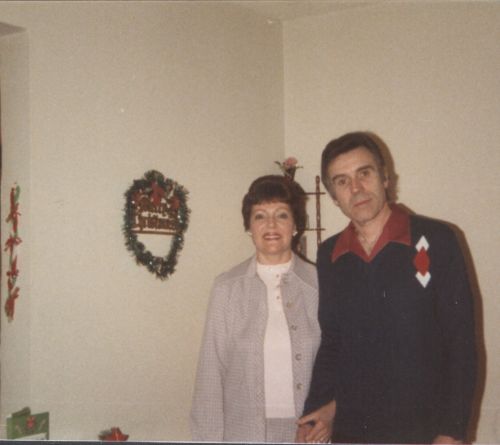
mom-dad-xmas

Mom and Dad at Christmas, circa mid-1980s.

The holidays can be stressful for caregivers, but they also offer moments of magic and the potential to create memories that you will cherish for the rest of your life.

I hope that you enjoy the time spent with family and other loved ones over the holidays. For those of us remembering those who have departed, it can be a comfort to reflect upon happy moments and favorite memories.

And if you feel yourself being overworked or stressed out, don’t be shy about asking for help!

Leave a comment

Filed under Memories

Dad gone 7 years now

dad-joy-smile crop

Today marks seven years since my father died. The weather today in Atlanta, a steady chilly rain, is exactly the same as it was on that day in 2011, when I took a call from my mom in the newsroom of The Atlanta Journal-Constitution. She rarely called me at work. I expected the worst, and received it.

That moment, and those right after receiving the devastating news, are forever burned into my memory and play in slow motion. The week after, viewing Dad’s body, trying to be there for my grieving mother but finding that we were clashing, making a desperate attempt to return home in the middle of a freak snowstorm, getting stranded in Roswell, New Mexico for Christmas … are memories I’d like to forget.

But some good did come out of the sadness. While I was stranded in that hotel room in Roswell, eating a microwave dinner, I created this blog, The Memories Project. And over the years, this blog has served me well. Initially, it helped me through the grieving process, and over time, it has become the foundation of my caregiver advocacy platform. Regular writing and exploring ideas helped me publish The Reluctant Caregiver. I’ve made so many wonderful connections over the years through this blog. From appreciative readers to those who have reached out for interviews, I am eternally grateful.


3 Comments

Filed under Memories

When You Should Say “No” in Caregiving — The Purple Jacket

Caregivers, try practicing the art of saying “no” during the increased demands of the holiday season. Not only is it acceptable to say no, it is healthy and necessary so that you don’t get burned out. Saying “no” can be the beginning of an equally important conversation: “I need help with caregiving.”

We welcome back guest writer, Kayla Matthews to The Purple Jacket! Caregiving for an elderly relative is a role that falls on different family members and professional caregivers depending on the family and expectations. And many families often fail to discuss how much responsibility a caregiver should take on and for how long. When the […]

via When You Should Say “No” in Caregiving — The Purple Jacket

Leave a comment

December 18, 2018 · 6:21 pm

Gift guide for those living with dementia and their caregivers

christmas-present-83119_640_edited

Pixabay

The holiday season is in full swing. As you are tackling your shopping list, you may have someone on your list who is living with Alzheimer’s or another form of dementia and may be unsure as to what an appropriate gift would be for this person.

I ran into this issue with my father, during his last couple of Christmas holidays at home. One year, I got him a New York Times book reproducing the newspaper from the day and year he was born. While he couldn’t read much anymore, he could look at the images and advertisements and get enjoyment from that.

Here are some gift ideas from The Advocate for those with dementia, and please, don’t forget their caregivers!

Personalized gifts: Like the book I ordered for my father, gifts that evoke memories of the past are a good choice for those with dementia. One could offer to help the family put together a scrapbook or photo album by buying the supplies.

Activity-oriented gifts: One thing that is often overlooked when caring for those with Alzheimer’s or other dementias is that the person often still craves to engage in hobbies or tasks. They don’t want to be left in a room to stare out the window all day, especially in the early to mid-stages of the disease. Adult coloring books, art projects, easy puzzles, etc. make thoughtful gift choices.

Joy-evoking gifts: Those with dementia often still respond to music and other audio-visual cues even as their other cognitive abilities decline. Think about Glen Campbell, and how he could still sing and play guitar well into his battle with Alzheimer’s. If you know the person’s favorite genre of music or a beloved performer, you can give the gift of music, which can soothe and lift the spirits of those with dementia.

For the caregiver: Think about easing the workload when picking out gifts for caregivers. A gift card to a favorite restaurant or a meal delivery/grocery  service would likely be appreciated. Try also to pick out a gift specifically for the caregiver to use for self-care, such as a gift certificate to a spa or movie theater. If you are in the position to do so, offer to give the caregiver a break from duties.

If the dementia caregiver in your life enjoys books, consider The Reluctant Caregiver, my award-winning collection of personal essays on caregiving.

One of the best gifts you can offer those with dementia and their loved ones is simply your time. So many people withdraw upon learning of a dementia diagnosis that it can lead to social isolation. A compassionate ear and an open heart will be appreciated by all.

Leave a comment

Filed under Memories

Winter is coming, time for caregivers to prepare

winter-3772616_640_edited

Pixabay

What may be a winter wonderland to some can quickly become treacherous territory for our elder loved ones. But there’s no need to be a Debbie Downer about it; there are simple steps caregivers can take so that their loved ones can stay safe during this time of year.

There’s good reason you’ll find so many snowbirds migrating to Florida or other regions with warm winter weather. While the snow can be pretty, it can be a chore to deal with. Getting out of the house can be near impossible, leaving seniors homebound for lengths of time. This happened to my parents when they retired to a mountain community in New Mexico.

If your elder loved ones have decided to remain in an area prone to winter weather, Forbes has some tips for caregivers on winterproofing.

  • Heating source: Make sure your elder loved ones have a reliable heating source and get it checked out annually to ensure its optimum functioning. If space heaters are used, monitor their usage to prevent fires. All homes should have operational smoke and carbon monoxide detectors.
  • Stock up on supplies: Make sure your loved ones have a stocked pantry and have plenty of essentials, such as toilet paper. The same applies to any medications. Make sure some of the food is ready to eat, in case there’s a power outage. If a major blizzard keeps your loved ones homebound for a few days, you can rest assured that your loved ones won’t go hungry.
  • Preventing falls/exposure to cold: Several steps can be taken to ensure your loved one remains safe while outdoors during the winter. Proper clothing and shoes are essential. Clear walkways of snow and ice; check for slippery spots. (Make sure it’s not the senior doing the shoveling, as the strenuous activity can be dangerous for older people.)
  • Winter driving: If your elder loved one still drives, proper car maintenance is essential. Make sure they have an emergency kit in the car.

One of the best tools our elder loved ones can have is a cellphone. Encourage them to carry that phone with them at all times, even if they are just walking down the front path to the mailbox. A slip on an icy spot could turn a routine task into a medical situation. Having a phone handy could mean the difference between life and death.

Dementia caregivers should be extra vigilant about preventing their loved ones from wandering away. My father had several wandering episodes and one occurred around the time police found an older gentleman with dementia who had froze to death after wandering and getting lost outdoors during the winter months. I’m grateful that law enforcement was always able to track down my father before he was harmed, but I realize not all families are so fortunate.

Winter weather can also be very peaceful and tranquil. There’s nothing like being cozy indoors with a cup of hot cocoa while the snow falls outside. Talk to your loved ones about their winter memories on your next visit.


Leave a comment

Filed under Awareness & Activism

Don’t overlook the importance of bathroom safety as a caregiver

bathroom-2094733_640_edited

Pixabay

Every time I hear about an older celebrity who suffers a serious injury or dies after a fall in the bathroom, I’m reminded of how treacherous that room of the house can become for those aging in place. I became personally familiar with the danger the bathroom can present when my mother broke her shoulder after falling off the toilet in the middle of the night.

The good news is that there are fairly simple and inexpensive ways to make a bathroom safer for an elder loved one. BuyMedical.com offers the following five recommendations from Invacare Homecare for helpful bathroom aids.

Transfer bench: When I began to help my mother get baths at home after her surgery, I realized how precarious the transfer from the bathtub to the bathroom could be. Getting a transfer bench made all the difference, allowing her to easily transfer herself from tub while seated. She would just swing her legs over the tub to the bathmat, then hold on to the bench as she lifted herself upright.

Shower chair:  I can vouch for the benefit of a shower chair, as my mother used hers for the last couple of years of her life. Bathing can become a real chore and risky as we get older, and our mobility fades. But good hygiene is important both physically and mentally. A shower chair reduces the risk of falling by allowing one to sit comfortably while getting a shower, instead of trying to lower themselves into the bathtub.

Toilet seat frame: A toilet seat frame offers sturdy support for those who have trouble getting up and down. This helps reduce the risk of falls, slips and injuries.

Raised toilet seat: This is one of those things you don’t think about until you need one. Whether due to recent surgery or just difficulty in lowering the body, a raised toilet seat offers affordable convenience.

Commodes: I wish my mother had received her portable commode sooner, because I think it would have made the last few weeks of her life easier. Unfortunately, the home hospice group didn’t deliver it until she was almost bedridden, and she only used it once. Supporting an elder loved one’s continence is vital for their well-being.

Not only do these bathroom safety aids help your elder loved one, they make your job as a caregiver easier as well.

Leave a comment

Filed under Awareness & Activism

Participate in #TheGreatListen this Thanksgiving

pumpkin-1768857_640_edited

Pixabay

Thanksgiving is supposed to be a day of gratitude and family, but sometimes it can turn into a day of bickering and stress. For all of us who no longer have our parents with us, I urge you to put aside the differences and the things about your family that annoy you and focus on the good things.

At the very least, take it as a grand opportunity to record family stories. Don’t be shy; ignore the naysayers. Organizations like StoryCorps have smartphone apps and tools that make capturing family lore easy for anyone.

As I discovered writing The Reluctant Caregiver, there is nothing like have a story recorded in a loved one’s own voice. I found gaps in my memory when trying to recount some family legends.

What is The Great Listen?

The Great Thanksgiving Listen is a national movement that empowers young people—and people of all ages—to create an oral history of the contemporary United States by recording an interview with an elder using the free StoryCorps App.

Download and print The Great Thanksgiving Listen Placemat

Pretend that the Thanksgiving meal is the last time you’ll see a particular elder. (I hope you have many more years with all of your loved ones, but let’s face it, we often take family for granted.) What must you know before they depart this earth? What stories of theirs do you want recorded for posterity? Are there things you wish to share with them, to thank them for? Let them know.

May you have a wonderful Thanksgiving spent with loved ones and friends.


5 Comments

Filed under Awareness & Activism

What are the most popular senior care and living options?

senior living

Contributed photo

By Guest Author Holly Klamer

When searching for senior care for your loved one, it can be difficult to know which option makes the most sense for your needs. There are many different terms out there, and they can all be a bit confusing for those who are new to the world of senior care. Here are some of the terms you need to know to locate senior living that’s a good fit for you and your family.

In-Home Care
Many people start off with in home care for their senior. This is when a caregiver comes in at regular intervals to make sure that your senior is safe and helps them with personal and medical needs. This can be everything from making sure that they take their medication to helping with cooking and cleaning or just keeping them company. This option is a good first step for seniors in need of a little bit of assistance.

Retirement Communities/Senior Apartments
There are many communities where seniors have their own apartment and live independently, but have access to resources for seniors when they need it. These communities vary widely in amenities, ranging from almost no amenities offered to lots of social and personal services available. These options are usually called senior apartments, senior communities, or retirement communities. These communities typically don’t offer medical care for their residents.

Assisted Living
Assisted living is residential living with assistance offered for cooking, cleaning, personal
grooming, and more as needed. Assisted living gives seniors help with what they need while still allowing them to maintain some independence. There are many large assisted living communities, but you can also find many smaller assisted living homes.

Memory Care
Memory care is designed specifically for those with Alzheimer’s disease or dementia. It offers many of the same features that assisted living does, but with a focus on services for patients who are memory-impaired. These facilities for seniors with dementia offer personalized care and provides specialized support for its residents.

Hospice Care
Hospice care is not only for those who require end-of-life care, but for those who need constant medical support to treat chronic conditions. Hospice care can be provided at home or in an inpatient center. The focus is on palliative care, making sure patients are comfortable and not in pain.

Using this quick overview, you can determine what the best fit for your senior is. Senior citizen apartments and other senior living options provide seniors with the support and help that they need as they transition into older age.

About the Author:

Holly Klamer is a full-time freelancer writer who is a frequent contributor to blogs and websites that help provide comprehensive resources on senior living options.

1 Comment

Filed under Awareness & Activism