Category Archives: Awareness & Activism

Coming to terms with ‘exhaustlessness’ as a caregiver

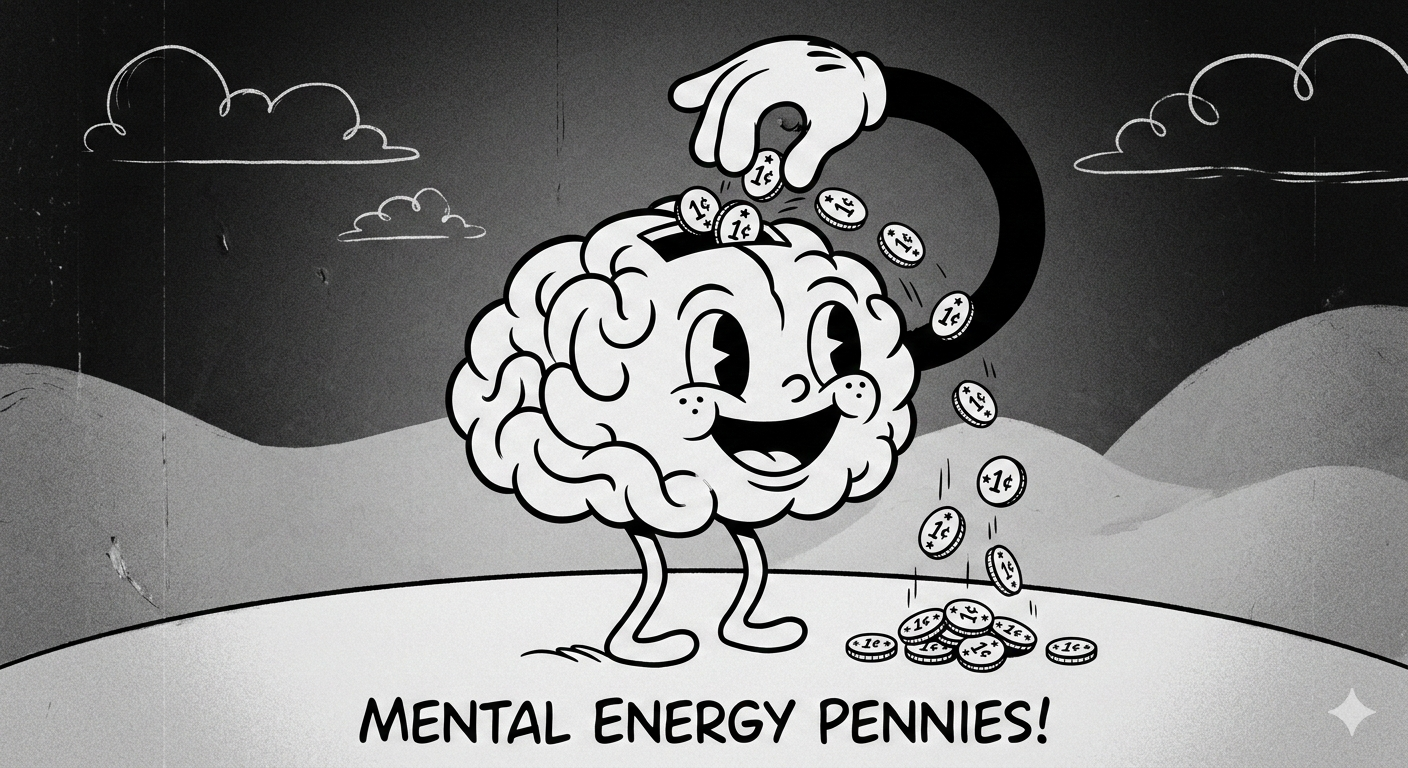
The holidays can usher in a mix of loving family moments and caregiver burnout. I read an article by psychotherapist Mike Verano on Today’s Caregiver in which he named the common caregiver condition of feeling both exhausted and restless at the same time as “exhaustlessness.” It’s an accurate term for two emotions that seem on the surface an unlikely combination until you experience what Verano calls the “emotional hurricane” of caregiving.

I definitely can relate to being completely exhausted but also being overwhelmed with a restless energy due to being hypervigilant. Verano refers to the physical sensation as being “like taking a sleeping pill and an energy drink at the same time.” Exactly! Caregivers know that they have a limited window for sleep and self-care, but at the same time, they can’t shut off their brains from going through to-do lists.

Even after a caregiving situation ends, it can take quite awhile to disconnect oneself from that hyper-aware state of monitoring. It can feel that something is missing if you are not constantly looking for problems to arise and fix. Being gentle and patient with oneself during such transition periods is essential.

For those feeling “exhaustlessness” due to their current caregiver situation, the holidays can be a good time to discuss the need for more support while family members are gathered together. Talking to a mental health professional, one trained in family caregiver dynamics, can also be helpful in learning how to establish boundaries, so that you don’t always feel like you are caught up in an emotional storm.

Illustration generated by ChatGPT.

2 Comments

Filed under Awareness & Activism

Holiday gift ideas for caregivers

Each year I consider a wide range of useful gifts for caregivers, everything from books to high-tech gadgets. No matter how amazing a gift is, I’ll always believe that personal time away from caregiving duties is the most precious gift of all. Respite comes in many forms, and can be as simple as an afternoon off to engage in self-care. For the family caregivers on your gift list this holiday season, think about how you can give them a bit of personal time back.

The good news is that in a year in which many are struggling financially, giving someone else time need not cost money, but only sacrificing some of your time. Offer to sit with a loved one to free up time for the caregiver. Volunteer to assist with a time-consuming task, like grocery shopping or making meals. Cleaning the house or tackling household repairs are other ways to give the gift of time.

Here are some other thoughtful gift ideas for caregivers:

Joe & Bella: Dressing can become a time-consuming challenge for those with dementia. I love the line of adaptive clothing from Joe & Bella, which looks nice and includes clever additions, like magnetic closures and CareZips to save time and reduce frustration.

Happy Healthy Caregiver: Check out the digital gifts, such as a self-care journal and for something with a personal touch, create a Caregiver Jar filled with affirming and inspiring quotes.

Alzheimer’s Association Gift Guide: Thoughtful gift ideas for caregivers and people living with dementia. I like that the guide offers suggestions at different stages of the disease.

Of course, I will take a moment to recommend my book. Beginning Monday Dec. 8 through Jan. 1, Smashwords is running the 2025 End of Year Sale. You can get the e-book version of my award-winning personal essay collection, The Reluctant Caregiver, for half-off.

Happy holiday gift giving!

Image generated by Google Gemini.

Leave a comment

Filed under Awareness & Activism

Gen X caught in an extended ‘sandwich generation squeeze’

Every generation has its challenges, but Generation X finds itself in an extended “sandwich generation” role, raising children and taking care of aging parents who are living longer than ever, but not without their share of health issues.

In the recent Generations issue by the American Society on Aging, an article by Grace Macalino Schauf describes her overwhelming caregiver situation and how she had a breakthrough that helped her better manage her many caregiving duties. Schauf found herself caring for her 80-something parents, including her mother with vascular dementia and helping her young adult sons navigate college while also filling the childcare gaps left by her sister-in-law’s sudden death.

Schauf explained that in her Filipino culture, the eldest daughter is expected to fulfill the caregiver role in the family, yet she realized that she was being stretched beyond capacity. The breakthrough came when she developed a “caregiver identity integration.” The framework created boundaries and required an identity reset, to fully integrate the caregiver role into her life instead of trying to manage fragments of her identity that left her frustrated and bitter.

I definitely understand the feelings of resentment that can surface in the family caregiver role. It’s one of the reasons why I wrote The Reluctant Caregiver. I also shared my Gen X caregiver experience on the Rodger That podcast. People shouldn’t feel guilty about such negative feelings, but for their own emotional health and to be a better caregiver, it’s important to address these feelings, reach out for support and develop a caregiving plan that works better for you, much like Schauf did. The process can be painful and messy, much like caregiving itself. But as Schauf said, being present, not perfect, is the goal. Being present as a daughter is something I wish I had done more of, versus being worried about every aspect of my caregiver role.

This holiday season is a great time to assess your family caregiver situation and determine if changes need to be made.

Illustration created by ChatGPT.

Leave a comment

Filed under Awareness & Activism

Gratitude comes in many forms and sizes

I was attending an event this weekend where we were talking about grief and gratitude. It’s an appropriate topic for November as we quickly approach Thanksgiving where we are reminded to be grateful for our blessings.

But when one is going through difficult times or actively grieving, tapping into gratitude can feel impossible. A person at the event I attended suggested that the bigger and deeper the grief, aiming to engage in smaller moments of gratitude can feel more achievable and still have a significant impact. The last thing one should do is force themselves to be grateful, because authenticity is essential. The last thing someone who is grieving should do is feel guilty because they cannot muster feelings of gratitude.

What can be helpful is taking time to be present in the moment. Recognizing the complexity of the more negative emotions and understanding that grief’s depth mirrors the bond you had with what is gone. Those relationships that were complicated may trigger even a deeper mix of emotions. Honoring those feelings over time can slowly make space for other feelings to emerge, such as gratitude.

It can also help to focus on something outside of your current situation. I find nature to be one of the simplest and most satisfying ways to ground oneself in a moment of gratitude. Being of awe of the stars in the night sky, a gorgeous sunrise, the colors of the leaves in autumn — these simple moments of gratitude have helped chip away at the oppressive grief I have felt at times during the holiday season.

Hope these tips help if you are navigating grief this holiday season.

Illustration generated by Google Gemini.

Leave a comment

Filed under Awareness & Activism

How prepared are you for aging?

Courtesy of John Hancock’s Longevity Preparedness Index

As we enter the holiday season, where some will have more interaction with family members, it’s a good time to assess your family’s preparedness when it comes to aging well. Anthony Cirillo shared on The Aging Experience a “Longevity Preparedness Index” produced by John Hancock in collaboration with MIT’s AgeLab.

Courtesy of John Hancock

The Longevity Preparedness Index , surveyed over 1,300 Americans in 2025 to assess readiness across 8 top aging areas: social connection, finance, daily activities, care, home, community, health, and life transitions.

As Cirillo points out in his post, Americans didn’t fare well overall, scoring just 60 out of 100 for longevity preparedness. He offers actions people can take to increase their ability to age well, from growing social connections to having frank conversations about financial planning and life transitions.

The key theme is that the time to prepare is before one becomes older and before health issues need to be addressed. The one area in which Americans are least prepared is one of the most important when it comes to aging: care. Scoring just 42/100, the majority of those surveyed do not have a care plan and do not know who would take care of them if a health issue required assistance. Creating an advanced care directive is vital.

No one can predict the specific care needs you or your loved ones will require in the future, but considering these critical area of aging can help families be more prepared and make smart decisions that will offer them the best chance of aging well.

Leave a comment

Filed under Awareness & Activism

Be mindful of fall risks this fall season

A few years ago around this time of the year, I fell hard at the park while walking my dog. It knocked the wind out of me, something I hadn’t experienced since I was a child. The shock of the fall caused me to drop the dog leash but fortunately my rescue dog didn’t take off. After catching my breath and assessing any injuries (fortunately nothing broken or sprained) I was able to slowly make it home. For the next week I was bruised and sore. I was fortunate this was a minor incident, but it was a reminder that falls can happen at any time and can cause more significant injuries.

I was reminded of how falls can be deadly this past week. Ace Frehley of the legendary rock band KISS died after suffering a fall in his home. He was only 74.

Falls can lead to all sorts of health issues from the obvious broken bones that may require surgical repair and a lengthy rehabilitation period to less obvious injuries like internal bleeding and concussions. My mother suffered a fractured shoulder after a fall in the home and it never did heal properly, limiting he ability to raise that arm. My father suffered multiple falls at the memory care center. Falls can be sneaky because internal injuries are not always immediately apparent. It’s important to monitor for any emerging symptoms and changes in mental health status in the days after a fall.

This time of year can be a wonderful time to walk and be out in nature. The temperatures are more moderate and the leaves are turning gorgeous colors. But once those leaves fall to the ground along with other tree debris (we get a lot of hard balls that litter the ground below the tree canopy in my neighborhood) it can create a risky walking surface. Depending upon what shoes I’m wearing I either stomp on these hard balls or try to scoot them out of the way to avoid walking over them. I’ve had a few close calls over the years when walking around the neighborhood during the fall season.

For caregivers of elders or anyone with mobility challenges, just be extra mindful during this time of year. I think it gets less attention that winter, where snowy and icy surfaces are well known for being dangerous conditions. Try to keep the outdoor paths around your home clear of leaves and other fallen debris. Make sure your loved one is wearing sturdy shoes. Guide them through leaf-covered walkways carefully. Remember that after a rain, slick leaves can present an extra slipping hazard.

With a little extra preparation, the autumn season can be enjoyed safely by the young and old alike.

Image generated by Google Gemini.

Leave a comment

Filed under Awareness & Activism, Memories

‘Presence over perfection’ excellent advice from a dementia caregiver

A recent post on the Alzheimer’s Association website offers a message for those who may feel like they are struggling as a dementia caregiver.

Gemma O’Donnell, whose father has Alzheimer’s, is also a registered nurse, educator, researcher, and dementia care advocate. The disease has had an impact on her life both personally and professionally, O’Donnell said.

“The heart of caregiving is not perfection, but presence. What has stayed with me is how much the small moments matter—sharing a laugh, holding a hand, or simply sitting together when words are no longer possible.”

– Gemma O’Donnell, Desert Southwest Chapter volunteer

She shared another tip for a common issue that dementia caregivers experience, and one that my mother struggled with in caring for my father. “Over time, I learned that joining someone in their reality brings far more peace and connection,” O’Donnell said.

I also loved her quote encouraging caregivers to seek support: “Asking for help is an act of love, not failure.” I totally agree and that is why I created Respite Care Share. Don’t ignore the signs of caregiver burnout.

Image generated by Google Gemini.

Leave a comment

Filed under Awareness & Activism

Uber adds ‘senior accounts’ to support rides for older people

I’ve written many times on this blog about the importance of helping older people maintain their independence as long as possible. Transportation is one of the most critical elements for independence. Uber is adding a service that will allow families to coordinate rideshare services with their older family members. Previously, Uber launched Uber Caregiver as part of its Uber Health initiatives.

My parents were fortunate that even though they lived in a small mountain town, there was a county shuttle service that served low-income and older people. It was door to door service, meaning my parents could get to doctor’s appointments and the grocery store as well as go to the movie theatre and dine at a restaurant. However, the shuttle service was always on the county government chopping block, because of the cost and lack of profitability along with ignorance of some of the county officials. “Why can’t we just buy them all a car,” one particularly dense councilmember said during a meeting.

There are many reasons why older people stop driving. In my mother’s case, she never learned to drive, which is not uncommon for older women. In my father’s case, his dementia made driving dangerous. Other common medical conditions like vision issues can also lead to a loss of driving ability.

One of the main issues when people no longer have access to reliable transportation is isolation. Older people may be cut off from opportunities to socialize on a regular basis. Their ability to access healthy food may be limited. And those with a lack of transportation options may delay doctor’s appointments.

The Uber senior accounts have the following features:

  • A simplified app interface.
  • Family members can track trips and call drivers, as well as ride safety features.
  • The ability to add Medicare Advantage cards to pay for eligible medical trips.

There are other community-based programs that offer similar transportation services, but Uber’s service area has a much wider reach, meaning those who are not served by those smaller companies may be able to take advantage of this new feature.

Image created by Google Gemini.

Leave a comment

Filed under Awareness & Activism

Marking World Alzheimer’s Day

Today is World Alzheimer’s Day. This year will mark 14 years since my father’s death from complications of this terrible disease. There has been a great deal of promising research and the development of a few medications that may help slow the progress of the disease in some people, but pinpointing the exact cause of Alzheimer’s and a cure remain elusive.

While I appreciate all of the tireless work of researchers, scientists, and the Alzheimer’s advocacy organizations, I’m not that hopeful that a cure or even an effective treatment will be discovered in my lifetime. More likely, the treatments that are on the market now may be improved upon, delaying disease progression and preserving cognitive functioning for longer. Now that I’m in my 50s, with one copy of the APOE4 gene and the disease prolific on both sides of my family tree, I have to be realistic about my risk and do what I can to reduce that risk and plan financially and logistically for any future care needs.

I would love nothing more than to be proven wrong.

Here are resources from the Alzheimer’s Association to keep you up to date on the latest statistics on how Alzheimer’s impacts the US and recommendations on what we can do to protect brain health.

Image created by Google Gemini.

Leave a comment

Filed under Awareness & Activism

When routine care becomes a challenge, dementia training can help

Haircuts are a routine personal care task that many of us take for granted. Some of us may even enjoy a visit to the hair salon. But for those with dementia, what was once part of the grooming care routine may become a challenge. In this blog post from When Dementia Knocks, Elaine M. Eshbaugh, PhD explains why a visit to the barber shop or salon can be uncomfortable for those with dementia.

She also offers tips for family caregivers on how to make a haircut a less stressful event for all involved.

I love the idea mentioned in the blog of offering dementia training to barber shops and salons. I hope such training expands because with just a bit of awareness, we can all better accommodate those with dementia in our daily routine.

Image created by Google Gemini.

4 Comments

Filed under Awareness & Activism