This is such important information for family caregivers. To put it bluntly, a fall for a frail loved one can signal the beginning of the end. Both my mother and father experienced falls as their health situations declined. Learn more and tips on preventing falls from Kay Bransford.
Those who have faced Alzheimer’s or other dementias in their families know that it can be a dreadful roller coaster ride, and while in the early stages there may be quite a few “good” days, they often seem overshadowed by the “bad” days.
One man in the UK who has early-onset Alzheimer’s is hoping to send a different, more hopeful message. He is using his beloved hobby of cycling to spread the message across the country.
Peter Berry was diagnosed with early-onset Alzheimer’s at 50, after 3 long years of trying to obtain a diagnosis for his increasingly troubling symptoms. He sank into a deep depression for about a year, but when he emerged, he was determined to help others who find themselves in a similar situation. Through a video series and on social media, Berry shares his experience and what has worked for him, including a healthy diet, regular sleep and long bike rides.
While he’s under no illusion as to what Alzheimer’s ultimately holds in store, he stresses the importance of having a positive outlook: “People who suffer from the disease know the journey and path we’re taking. We all know the end product of this disease. But it’s all about what you do in between. It is not about what I can’t do, but what I can do.”
Watch his inspiring story, produced by Being Patient, and share with others.
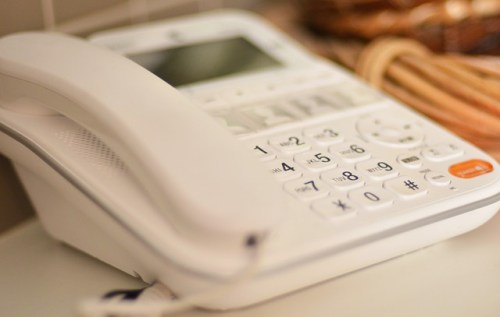
The phone was my mother’s lifeline, but it also served as a source of strife in my role as a caregiver.
While most people have disdain for telemarketers, my mother welcomed the calls. This was especially true once my father was placed in a memory care center, and in the period after his death. My mother was lonely and a human voice on the other end of the line, even one trying to sell her something, was a source of comfort.
My mother never bought anything from the telemarketers, but there was one time in which I became livid because I felt she revealed too much personal information. She told the telemarketer about her lottery winnings. I wanted to reach through the phone and shake her (but gently as she had a broken shoulder from a fall.)
She could not understand why I was so upset, even after I tried to explain in multiple ways how revealing that you have a lump sum of money to a stranger who has your contact information is a bad idea. It was one of the few times I literally hung on up her out of frustration.
I wish my mother had the teleCalm service back then. It offers a host of senior-friendly options and features that are useful for caregivers. The Essentials service replaces the current home phone service of your elder loved one, replacing it with a monitored service that can filter out scam and telemarketer calls. An additional service provides caregivers with a smartphone app that includes monitoring features that can be accessed remotely.
For those with dementia and their caregivers, teleCalm could help ward off predators and scam artists who try to take advantage of those with impaired cognition. If you have used the service, I would love to hear your feedback.
As family caregivers to those with Alzheimer’s or other forms of dementia, we can feel helpless in the fact of such a brutal disease. What could we possibly do to help find a cure or effective treatment? While we know researchers are hard at work, they can seem far removed from the daily grind that a family finds themselves in when dealing with dementia.
Joining a registry is a simple way to contribute to the cause. I belong to the Alzheimer’s Prevention Registry. According to the registry, 80 percent of studies are delayed because too few people sign up to participate. So you can really make a difference.
A new registry, the Synexus HealthyMinds Registry is seeking those 50 and older in the U.S. who do not have an Alzheimer’s diagnosis. The registry is free to join and all participation is done online for your convenience. Once a year, you will be asked to fill out a health and lifestyle questionnaire and take a series of online tests to gauge cognitive function. The registry I participate in is similar and I actually enjoy the tests because they are like brain games.
Check it out and if you are interested, please join and share with others. We are all in this important effort together.
I am so proud to be part of the AlzAuthors group. I can’t believe the group of Alzheimer’s and dementia writers is marking its 4th anniversary! It has been so rewarding to see this group expand over the years and I applaud the hard work of the core founders who have shared our books to caregivers around the world.
If you haven’t visited the website in awhile, check out the redesign. I love it!
We often overlook the powerful benefits of human touch. Learn how massage could lift the spirits of your loved one with Alzheimer’s. And don’t forget about the benefits of massage for yourself! I find a massage to be so rejuvenating.
Any kind of bipartisan effort in today’s toxic political climate is reason to cheer. When it involves uncovering nursing homes offering substandard care, it’s all the more reason for caregivers to be grateful.
An investigation into reports of abuse and neglect at nursing homes in the senators’ home state prompted the report. It focuses on struggling nursing homes that have been designated a Special Focus Facility. There are 88 nursing homes that are participants in the program. Approximately 400 nursing homes are identified as candidates. Participants receive more frequent inspections and are identified to the public; candidates are not.
What the senators wanted family caregivers like you and I to know are the names of the hundreds of SFF candidate facilities, so that we can make the most informed decision possible when it comes to our loved one’s care.
You can review a list of SFF participant and candidate facilities that’s included in the report. You can also read disturbing reports of neglect and abuse that has been reported at these facilities, which includes allowing residents to escape, providing inadequate medical care and sexual assault.
I discovered a facility that my father stayed at briefly post-surgery. At the time, the facility admitted they did not have the resources to care for my father, who was in the mid-stages of dementia and often wandered.
Much more needs to be done to ensure that our nation’s nursing homes are providing proper care to our loved ones, but providing this bit of information helps families make more informed choices.
Have to say I agree with this perspective wholeheartedly. As the author of The Reluctant Caregiver, I have empathy for those of us who often find it difficult to be Miss Mary Sunshine all of the time. Sometimes life just sucks. People mean well but the best gift you can offer in such situations is simply a sympathetic ear.
I was recently introduced to the term “toxic positivity.” I instantly knew what the term referred to, and I could relate. I see it on social media….Positive vibes only…Think happy thoughts…There’s always a silver lining…It’s a great day to have a great day. And I can remember times when I was struggling and someone shot […]
Respite care is an issue I care about passionately, prompting me to launch Respite Care Share a few years ago. This guide offers an excellent overview about what respite care benefits Medicare covers.
When it comes to our loved ones that may be living with health conditions that hinder their ability to perform everyday functions, we want to provide them with the best care. Statistics show that often, it is a family member that takes on this role as a full-time caregiver. Being a caregiver is one of […]
It’s heartbreaking to hear stories where elder loved ones are scammed out of thousands of dollars. These criminals can be found all over the world, only needing a list of phone numbers or email addresses to find their next victim.
A new study has found that those who are more prone to becoming scam victims may be at greater risk of dementia. In today’s world, it’s not just phone scams that one has to worry about, but online scams as well.
My father was not a phone person, but he did send money to a variety of religious organizations. They were supposed to be representing Catholic churches or charities, and he would get a small token or prayer request in exchange for whatever he sent. It may have been totally legitimate, but after he was gone, I found hundreds of pieces of correspondence from these groups. I wonder if he gave more as his dementia progressed.
My mother was the phone person in our family. She didn’t have dementia but she did have a quality that made her potentially susceptible to scammers: loneliness. She loved to talk on the phone to people, whether she knew them or not! They would be her friend by the end of the conversation. I remember getting upset with my mother when she told a telemarketer that she had won the lottery. Why would you share personal financial information with a stranger? My mom’s response was that the telemarketer had said she was a “nice lady.” Sigh. Fortunately, nothing came of the incident, and to be fair to my mother, she was aware of the scams that were going around targeting seniors.
Credit.com has a nice resource which breaks down the most common online scams and offers tips to help seniors avoid becoming a victim. Monitoring your elder loved one’s financial statements is key. If your older relatives enjoy going online, there are a set of simple steps you can take to provide them a secure experience. Staying vigilant is the best way to combat such criminal activity.







![Pageflex Persona [document: PRS0000038_00069]](https://memoriesproject.files.wordpress.com/2014/02/reluctant-caregiver-cover.jpg)






 The Memories Project