Category Archives: Awareness & Activism

Aging in place not just about home’s interior

condo-water-heater

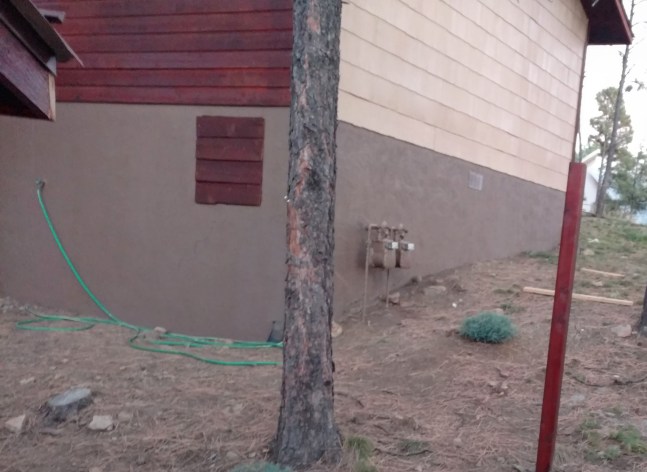
The “portal to hell” aka the crawlspace where the water heater is located.

As I wrote about in my last post, caregiving can give you tunnel vision, and while I was busy tending to my mother’s every health need, I overlooked some basic household duties, like changing that darned furnace filter.

But another thing I had to deal with on my recent visit to what was my parents’ condo made me realize that aging in place is not just about retrofitting a home’s interior. When I arrived and turned on the kitchen faucet, I immediately noticed that the hot water had a very strong sulfur odor. I Googled the issue and found that it is common in cabins and other kinds of vacation rental homes, where the water sits unused for long periods of time. Basically, the water sitting in the water heater tank is an ideal incubator for bacteria, which, while harmless to humans, creates that godawful rotten eggs smell.

The simplest solution involves flushing out the water heater with bleach or hydrogen peroxide, which kills the bacteria.

As I searched for plumbers, I began to wonder, where the heck is the water heater?

By process of elimination, I figured the square door underneath and to the side of the condo must be where the water heater was located. The photo above is actually a neighbor’s unit, but it looks just like mine. What I couldn’t picture was how a water heater fit in such a small space.

When the plumber came out, the mystery was solved. The wood door had to be unscrewed with a power tool, and then the plumber, a pretty tall guy, angled his way through the portal. I stuck my head inside and saw that the crawlspace was quite large, the entire length of the two condos that are connected together. There were several discarded water heaters under there, a virtual graveyard. The plumber wanted to show me how the water heater was leaking, which required me to climb inside.

I wasn’t sure I was going to be able to do it; I’m not claustrophobic and am in decent shape but I am clumsy, and this was a very awkward hole to crawl through. Somehow, I managed to squeeze through without injuring myself, then was immediately concerned about how I would get back out.

The plumber told me I could flip the breaker on the water heater when I was headed out of town so I didn’t have to crawl back down there. That was another adventure, finding the circuit breaker. It was located in a storage closet outside the condo, and inexplicably placed in the back corner, meaning you had to be careful about what you stored in the closet so you could squeeze your way to the back and reach the breaker panel.

The entire debacle made me think about aging in place, and how important it is to examine the exterior and the interior of the home your aging loved ones are residing in or wish to move to, and look for red flags like this bizarre water heater setup. Take into account things like stairs, crawlspaces and anything else that is difficult for someone with limited mobility to access. Ideally, a homeowner would have convenient access to things like the furnace, the water heater, air conditioner, circuit breaker, etc. in case of emergency.

It’s definitely something I’ll think about when looking for a retirement property. No creepy “portals to Hades” for me!


Leave a comment

Filed under Awareness & Activism

Ways to battle wandering

caregiver-guide-to-wandering

One of the most frightening aspects of my dad’s dementia was his tendency to wander. It is unfortunately a common symptom of Alzheimer’s and other dementias. It can place people in life-threatening situations. In fact, a gentleman with Alzheimer’s in the same town where my parents retired wandered away from his home one winter and died from exposure. He’d fallen into a ditch and had gotten tangled in some weeds and brush.

Fortunately, my father’s wandering never led to physical danger, but it did scare my mom and I. On a few occasions, my mother had to call the police, who were wonderful about tracking my father down, but it was nerve-wracking until he was home. It also became impossible for my mother to take my dad on any errands, because she couldn’t trust him to wait for her. One time he wandered away while she was in the dentist’s chair, and ended up at a fast food restaurant a few doors down, which he claimed was full of spiders. Another time, he wandered away from McDonald’s while my mother was in the restroom. The police found him near the drive-thru.

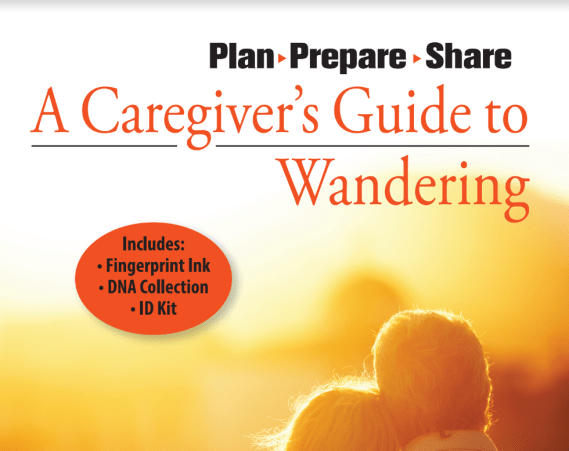
When I was contacted on Twitter about A Caregiver’s Guide to Wandering, I was interested in learning more. The guide was inspired by Sergeant Jacqueline Fortune of the Harris County Sheriff’s Office in Houston, Texas, who’s department was using Boerner, Inc.’s McGruff Safe Kids ID Kit to address wandering calls in the area they serve. The company decided to create a guide to help caregivers cope with the specific wandering issues associated with dementia.

The 12-page guide offers innovative, concrete tips on preventing wandering as well as developing an action plan to implement when a wandering incident occurs. The guide is designed to be used by agencies — it is in use in the VA Hospital in Palo Alto, California and in agencies in thirteen other states, including several Area Agencies on Aging.

I believe this guide could be useful to every dementia caregiver. If you know of an organization that works with the aging in your community, recommend A Caregiver’s Guide to Wandering as a resource for dementia caregivers.

Full disclosure: I received a complimentary copy of the guide for this review.


1 Comment

Filed under Awareness & Activism, Memories

Will a dementia wonder drug suffer from price gouging?

color pills

If and when a medication that reverses and/or prevents dementia arrives, will anyone but the wealthy be able to afford it? I’ve been pondering this question ever since the pharmaceutical company Mylan was roundly criticized for drastically increasing the price of EpiPens, the common treatment used for severe allergic reactions.

As with Turing Pharmaceuticals and its 5,000-percent increase for its toxoplasmosis treatment Daraprim, Mylan issued a significant price hike for a drug that had been on the market for quite some time. But what about new drugs that are medical breakthroughs for diseases that have proven elusive to treat?

Let’s face it, a medication that could effectively treat dementia would be one of the major medical breakthroughs of modern times. (Of course we must consider that there are several forms of dementia, so a medication that can target Lewy Body Dementia may not work in Alzheimer’s patients, and vice versa. )

Focusing on Alzheimer’s disease, the demand for a proven effective treatment is going to be huge. In an NPR interview about how drug companies price their products, an expert reveals the main factor is how much are people willing to pay for the drug. The interview focuses on Gilead Sciences and its drug Sovaldi, which can cure hepatitis C in most cases. The medication was much more effective than anything else on the market at the time, and hepatitis C can cause serious health issues if left untreated. The medication only needs to be taken an average of 12 weeks, so the price per pill was higher than it would have been for a treatment that took longer. You may have seen the headlines, “A $1,000 pill.” It was true that Sovaldi was priced at a total of $84,000 per bottle when it launched in 2014, though thanks to competition and public outcry, it costs about half that now.

So how much do you think families who have a member battling Alzheimer’s will pay for a medication that could restore their loved one’s sanity? It’s easy to say that a cure is priceless, but in reality, there is a price tag on everything. Perhaps the more interesting question is if the government should step in and regulate prices in such cases, in the name of public health.

I know that if an Alzheimer’s cure pill had been available while my dad was alive, at the prices listed above, we would not have been able to afford it unless Medicare paid for most of it. While I am a firm believer in the free market, I also don’t think any family should have to let a member die because they can’t afford medication.

What are your thoughts? Should medical breakthrough drugs be more heavily regulated to ensure access to the general population?

7 Comments

Filed under Awareness & Activism

Respite Care Share chosen as a top 10 idea

OpenIDEO challenge logo

As caregivers, we are on the front lines, finding solutions on the fly to deal with daily issues that crop up, and most of our wisdom is never revealed beyond our family. There are also problems that we encounter that don’t have easy solutions, but where do we turn for assistance?

There are organizations that care about these issues. OpenIDEO recently hosted a challenge that centered on improving the end-of-life experience for all involved. My idea, Respite Care Share, was selected as one of the top 10 ideas. The challenge prompted me to submit an idea I had kicked around in my head for some time, but had no idea what to do with it. Respite Care Share was born after I pondered what to do with my parents’ condo after their deaths. I am in no rush to sell, but it bothered me that it just sits empty when there are so many people who need shelter.

I wanted there to be a way that homeowners could temporarily gift their rental properties or vacation properties to caregivers who need a respite from caregiving duties. The participating properties could be listed on Airbnb or a similar platform, and caregivers could rent for free for a brief stay. Caregivers could also search for and secure a vetted caregiver via an online service so their ill loved one would receive competent and compassionate care while the caregiver is away.

Caregivers deserve a break and studies show that their mental and physical health can benefit greatly from even a short respite. But convincing caregivers to take respite can be a challenge. Even though government programs like Medicare will cover respite care up to a certain point, it only pays for the ill loved one to be placed in a facility temporarily, and does not cover the caregiver expenses at all.  Removing or reducing costs could eliminate one of the barriers to respite care that caregivers face.

Still, there are some caregivers who cannot bear the thought of leaving their loved one’s side, even for a night. That’s why Respite Care Share would also include caregiver care packages that would include gift certificates to personal care services that only take an hour or two, such as a free massage or yoga session. The point of the program would be to support caregivers in taking respite that is appropriate for them, and making it simple to arrange and as affordable as possible.

Respite Care Share is still in the planning stages but it is exciting to see how a nugget of an idea has developed into a prototype with potential.

If you have an idea on how to improve the caregiving experience, don’t be shy. You never know who may see the value in your idea and help turn it into a reality.

Leave a comment

Filed under Awareness & Activism

Writing about caregiving

IMG_20160814_144747513

I spent last week at a writer’s retreat in New Hampshire. It was a wonderful experience, and just what I needed, to unplug and at the same time, recharge my writing inspiration.

I turned off social media, and turned inward to focus on what I really want to share about caregiving and how I should present that in written form. I also opened myself up to others who were going through their own painful experiences. But there was also plenty of laughter and great stories shared among the group.

Even for caregivers who don’t fancy themselves writers, taking a writing workshop can offer them a supportive stage to share their thoughts and feelings about the caregiving experience, giving a voice to those who are often forgotten or fade into the background.

Our teacher commented at the end of our time together that caregiving will eventually touch most, if not all of us, and that is so true. Even in our small group of memoir writers, there were people who had served as family caregivers and who were dealing with the deaths of spouses, parents and other loved ones after lengthy, debilitating illnesses.

Even if you don’t plan on writing a book, consider taking a writing workshop. There are plenty of one-day or weekend workshops, so no need to make it a full-fledged vacation (though it was a wonderful indulgence for me.) If you enjoy blogging, you may be surprised what the writing prompts at a workshop can bring out. You may be challenged to look at an event from a different perspective, and the feedback you get from fellow writers and instructors can be insightful and useful.

While I know talk therapy works for some people, I’ve never been a big fan of it personally, mainly because I don’t like to express myself verbally, especially when forced to talk about myself. But through writing, I’m able to do that with a greater comfort level. I also like the added bonus that I get some writing done while working through tough situations.

The most important thing of all though is that if you enjoy writing, keep it up! Whether you make it to a workshop or your writing ever sees the light of day, just the physical act of expressing your feelings is so beneficial.

Do you do any writing outside of blogging? I would love to hear about it.

6 Comments

Filed under Awareness & Activism, Memories

Dementia’s communication mysteries

I have found Kay Bransford’s blog series on “things never to say with someone with dementia” enlightening and wanted to share. Much of it I can relate to through my dad’s dementia, but there are certainly things I wish I could have done differently, if only I had known sooner. I’m passing along these words of wisdom from a dementia caregiver warrior in hopes it will help another family going through a similar experience.

When someone with dementia is silent, it does NOT mean they don’t understand you.

via Don’t assume they can’t understand you because they are silent. — Dealing with Dementia

Leave a comment

Filed under Awareness & Activism

Getting creative with dying

blue-balloon-1193182-1920x1440

John Evans/Freeimages

Thanks to those who participated in my caregiver survey. The OpenIDEO end of life challenge is going through its final review, and top ideas will be announced in the coming week. Regardless of the outcome, the experience has been educational and inspirational.

I spend quite a bit of time on this blog sharing my frustrations with the health care system, but the good news is there are a lot of compassionate, smart people out there who are working on solutions. They want to improve the experience of those nearing the end of life, the death process itself and the caregiver’s well-being.

The ideas generated in this challenge were truly awe-inspiring. Some of my favorite ideas included musicians writing and playing songs for those in hospice inspired by the dying person’s life. I loved this idea because not only would it offer comfort to the dying, but also would be a memento the family could keep forever.

I also was inspired by the “Leave a Wish” idea, which would allow you to leave any message you want for family members after you have died. It could be something like hiking to a favorite spot to mark a holiday, or making sure your loved ones fulfill their own goals, like writing a book or running a marathon. I loved the way this idea could allow you to connect with your loved ones even after you are gone.

Other ideas included green burial options, documenting a loved one’s life stories and encouraging greater discussion of end-of-life wishes.

There were so many wonderful, innovative ideas that I can’t go into them all here but you can check out the full list on OpenIDEO.

It’s reassuring to know that there are good people out there who want to make dying not something painful and miserable, but a final phase of life in this world that can be meaningful and inspirational.

Leave a comment

Filed under Awareness & Activism

Top slip and fall risks for seniors

caution-wet-floor-sign-1-1444538-1280x960

Laurens Meurs/Freeimages

This past week, I stumbled on a stair and fell in my own home, where I’ve been living for over 10 years. I wasn’t rushing, nothing has changed recently as regards to the stairs or my health, and I am an active 40-something woman. Fortunately, I injured nothing but my pride.

To follow up on last week’s post, Bruce Millar of Millar & Mixon law firm put together this list of top slip and fall risks. A lot of it is common sense, but check your home (and the homes of your aging loved ones) to see if any modifications need to be made. –Joy

According to the Centers for Disease Control and Prevention (CDC), every year millions of older people (those who are 65 and older) fall. Sight and balance problems, along with weakened limbs can make walking a challenge for some elderly people. Fortunately, after identifying the risks, simple measures can be implemented to ensure that their health is protected.

The slip and falls risks that the elderly face are many, according to AtlantaAdvocate.com. However, some are caused by the negligence of the government or business owners, who are expected to keep premises in a reasonably safe condition. If you or a loved one suffers a fall due to negligence, don’t be afraid to speak out, obtain legal advice and if appropriate, seek compensation. Seniors are more likely to be seriously hurt or even killed due to falling accidents. Let us examine the most common risk factors that may cause these slips and falls.

Slip and Fall Risks

  1. Inadequate Lighting

Inadequate lighting may occur in areas such as alleys footpaths or house corridors. Elderly people are likely to slip and fall in areas with inadequate lighting as they have problems with their sight. Lighting in public zones should be adequate to ensure that the they can see well whether they are in public or private areas. Report non-functioning streetlights to the appropriate city officials and make sure your own yard and home have adequate lighting.

  1. Cluttered Walkways

Some sidewalks, especially in big cities, may be cluttered with rubbish and other debris and and this poses a fall risk. Creating a narrow, tricky path for someone who may have sight and mobility problems may result in a fall with serious injuries.

  1. Slippery Floors

Wet floors are one of the leading causes of falls and slips among the elderly. Areas such as malls and supermarkets often have slick floors. Recently mopped and waxed floors are a major cause of falls and slips. Older adults are often the most affected because their balance may be impaired, thus increasing their risk of a fall in these situations.

  1. Appliance Cords in Walking Paths

These hazards mainly occur in homes or some stores where device cords pass through walking paths. A poorly-placed cord can trip up the elderly which can result in a potentially fatal fall. In a business, such cases should be reported because the appliance cords are not meant to be in areas where people are walking in the first place.

  1. Cracks On Sidewalks or Driveways

Cracks and uneven sidewalks and driveways are a major reason for falls, not just for the elderly but other individuals as well. Major cracks should be repaired promptly, or reported to authorities if on city property. A trip on cement can lead to serious injuries, especially for those who have osteoporosis or other conditions which weaken bone strength.

  1. Slick Bathroom Floors

Many fall accidents that occur in a home have reportedly happened in the bathroom. These injuries are often caused by wet floors, a slippery tub and lack of grab bars to hold onto and avoid falls. When renovating a bathroom with aging-in-place in mind, especially in nursing homes for the elderly or in-home care, measures should be taken to reduce the risk of bathroom falls. Safety measures can include non-slip rugs, non-slip bathtub treads and handrails.

  1. Changes in Surface Types or Levels

Changes in surface types or levels that are not well defined may cause falls and pose a significant risk to the elderly. Contractors should try to identify changes in such instances to ensure the safety of the elderly. Areas with such changes should have grab bars or a railing. That way, if an older person trips, they can support themselves and avoid falling.

Injuries Due To Falls

The following are injuries that can occur following a fall:

  • Brain injury
  • Broken bones
  • Hip fractures
  • Spinal cord injuries
  • Cuts and bruises
  • Pain
  • Psychological trauma
  • Medical expenses
  • In some cases death


Author Bio:

Bruce Millar of Millar & Mixon law firm serves the victims of personal injury accidents all over the state of Georgia. Millar and the other attorneys at Millar & Mixon have over 20 years of experience of helping clients get their life back on track after a serious accident has occurred.

Photo credit: Laurens Meurs/Freeimages


Leave a comment

Filed under Awareness & Activism

Don’t underestimate the power of a fall

hospital

Admittedly, I used to laugh at those “I’ve fallen and I can’t get up” LifeAlert commercials. What can I say, I was young and the commercials were done in an over-the-top manner. But as my parents aged, I discovered that falling is no laughing matter.

My father’s love of walking made him a dangerous dementia patient. When he was at the memory care center, we got several calls over the course of a year that my father had fallen. The care center’s policy required them to inform us each time Dad took a spill, even if he was not injured or was not taken to the hospital. Sometimes he was taken to the hospital, and I can only imagine how an ambulance ride and an ER visit must seem to someone with dementia.

Even though Dad took multiple spills, he never ended up with more than bruises. My mother, on the other hand, took one bad fall and broke her shoulder. She lived with pain from the injury for the rest of her life. When she first became ill with cancer, her mental status changed and the home health staff suggested I get a monitoring system for her. I signed up for the one they offered, which was Philips Lifeline. Overall, I was satisfied with the service. There was a billing issue upon returning the equipment after her death, but the service while she was alive was good.

ReviewsBee rates the Top 10 Medical Alert Systems, placing Philips Lifeline at #5. I mainly agree with the review. My mother was skeptical of technology, but because Philips is such a well-known and trusted brand, she was more comfortable using the product. The fall-sensor technology was sometimes oversensitive, thinking my mother had fallen when she just turned over in bed, but it was still reassuring to know that a live person would check on my mom immediately via intercom if a fall was detected.

All systems have their pros and cons, and I only had experience with the one brand, so make sure to read reviews from different sources and think about the features that are most important to your family. Keep in mind that some monitoring systems require landlines and make sure to read your contract so that you don’t get stuck with fees when returning the equipment when it is no longer needed.

If you have tips on preventing falls, I would love to hear about them.

3 Comments

Filed under Awareness & Activism

What’s the best support a caregiver could receive?

thank-you-1238361-1919x1516

I am participating in the OpenIDEO’s end-of-life challenge and my idea made the top 50 cut.

The challenge is to reimagine the end-of-life experience for ourselves and for our loved ones. I focused on the end-of-life experience as a caregiver, and the importance of respite care. When caregivers become burned out, everyone suffers. Everyone needs a break, and the end of life can be a longer road than expected. That’s why I submitted the idea of Respite Care Share, which would offer free or discounted vouchers that caregivers could use at hotels and on vacation rental services like Airbnb. Caregiving assistance while the caregiver is away would also be part of the package.

While Medicare covers an allotment of respite care days, and will place a patient in a facility during the respite care period, I found that respite care can be restricted depending upon if there are available beds in a participating facility. Even if you can place your loved one in a facility or find appropriate home care, a nearby weekend getaway can help clear the mind and renew the spirit.

Now I need your help in propelling the idea forward.

The idea as it stands now is that the caregiver respite vouchers would be presented as the centerpiece of a caregiver care package. These packages would include vouchers for respite care and other services, such as massage and other spa services, yoga classes and other personal enrichment services that focus on relaxation.

If you would be so kind as to respond to this 3-question survey, I would greatly appreciate it:

Caregiver Appreciation Survey

Feel free to leave comments on this post as well and share the survey link with other caregivers.

Bottom line, whether you are a current, former or future caregiver, how likely would you be to use respite care vouchers? Is there another form of caregiver support you would rather receive? What else would you want to know about the program?

1 Comment

Filed under Awareness & Activism