Category Archives: Awareness & Activism

Lessons learned from an Alzheimer’s caregiver

This insightful essay was posted on Maria Shriver’s website earlier this month. It is written by a neurologist who became a caregiver for his father when he was diagnosed with Alzheimer’s. The piece outlines 10 lessons that the author learned as he helped guide his father on this journey that no one wishes to take. Most of the points are well-known to those who are Alzheimer’s caregivers, but the simplest and most obvious advice can easily get buried as you struggle to deal with the emotional impact of the disease. We all know that we need to stay positive, live in the moment, keep our sense of humor and stop sweating the small stuff. While all of that is easier said than done, the author does a good job of giving examples of how this sage advice helped his dad live the best quality of life possible, despite the grim diagnosis.

hands

The last lesson is perhaps the most important of all but one many of us may struggle with the most: put away resentment and regret.

What lessons have you learned from being an Alzheimer’s caregiver that you think are the most important to share with others?

Leave a comment

Filed under Awareness & Activism

“Tip of tongue” moments may be harmless

Good news for my mom and other seniors who have their fair share of “it’s on the tip of my tongue” moments. Apparently, the frustrating condition does not appear to be a symptom of dementia, according to the results of a recent study. The study involved over 700 subjects and while older people struggled more with these “tip of tongue” moments, the study concluded that there was no link between these temporary memory glitches and dementia.

remember

We all have those moments where we try our darndest to think of something but it remains just out our reach of memory. It’s frustrating, but as we get older, those moments sometimes are more frequent. My mom is an interesting case because she has always had this way of going off on several different tangents and forgetting what the original point was. It’s frustrating for her, and for me. 🙂

But Mom worries every time she struggles to remember something that she is exhibiting the early signs of dementia. After losing Dad and a sister to Alzheimer’s, it’s an understandable fear. As I march towards 40, early-onset Alzheimer’s is on my mind.

It’s a relief to know that these slips of memory are not something that we should worry about too much. We have enough to worry about as it is!

Leave a comment

Filed under Awareness & Activism

ICU stays can trigger dementia

The Intensive Care Unit offers the best of care for critically ill patients. It is necessary in certain cases and the quality of care and technology available in the ICU has saved countless numbers of lives. But a recent study discovered that extended stays in the ICU can trigger dementia symptoms.

A new study suggests that staying in the ICU too long can trigger dementia symptoms.

Shorter ICU stays may help reduce the risk of dementia symptoms.

The Vanderbilt University study followed 800 patients after their ICU stay for a year. A whopping 75 percent exhibited signs of dementia during the study period. 1 in 3 exhibited symptoms of Alzheimer’s disease. The age of patients did not impact the display of symptoms. One example given in the article was a 46-year-old woman who spent three weeks in the ICU was still dealing with cognitive impairment issues 18 months later.

The study concluded that both serious illness and anesthesia drugs used during surgery could be dementia triggers.

My mother, who does not have dementia, had two surgeries last year that landed her in ICU. Her first surgery was of emergency nature and landed her for several days in the ICU. The second surgery was scheduled and Mom spent only the minimum amount of time in the ICU that is required post-surgery. Mom also had multiple complications (blood clots) with the first surgery. Her mental state was impaired for months after the first surgery but she was alert and talking just about an hour after the second surgery was completed. Her mental recovery from the second surgery was very quick.

When my dad had to have surgery to remove a kidney stone, he was in the middle stages of Alzheimer’s. His recovery was very slow and I do believe his cognitive functioning declined more rapidly than it had been before the surgery.

We can’t always avoid stays in the ICU, but advocates suggest asking for lighter sedation options when possible and trying to get patients engaged in mentally stimulating activities while they are recovering.

What has been you or your family member’s experience been like in the ICU?

2 Comments

Filed under Awareness & Activism

Can stress cause dementia?

If this latest dementia study from Sweden is true, I’m in big trouble.

Maybe we all need to have a good scream or shout.

Maybe we all need to have a good scream or shout.

The study kept track of 800 women from their late 30’s through their senior years. Stressful events that occurred to the subjects were recorded over those years. Between 1968 and 2006, almost 20 percent of the women developed dementia. An association between the number of stressors reported by the subjects and an increased risk of dementia (15 percent) and Alzheimer’s (21 percent) was reported. While further studies will need to be conducted to establish a link, it is believed the damage that stress can inflict upon the body, including inflammation of the brain, may be the culprit.

The Huffington Post article also points out that stress hormones can remain elevated long after a traumatic event.

Considering my last couple of years, this is an alarming finding. Dare I say it is … stressing me out? 🙂

But on a serious note, those of us who are family caregivers cannot deny the physical and mental consequences of stress. I have no easy answers on how to relieve stress. I’ve tried many of the recommended methods and failed. If you have a stress-relieving activity that you enjoy, try to work that into your normal routine. Letting off steam and returning to a calm state should be considered as necessary as breathing and any other vital body function.

Leave a comment

Filed under Awareness & Activism

Hospital visits for dementia patients often tied to insurance type

There is much talk here in the U.S. as the new health care exchanges that the Obama administration has developed to lower health insurance costs open on October 1st. But I found an article this week that has some surprising results in another part of the health insurance world that impacts dementia patients.

Presbyterian Hospital, the last place I saw Dad alive.

Presbyterian Hospital, the last place I saw Dad alive.

A study conducted by NYU researchers found that dementia patients with managed care insurance were sent to the hospital less often to treat end-of-life health issues that would not improve their quality of life. Managed care organizations receive a lump sum payment for each patient, so they have an incentive to keep costs low by not encouraging unnecessary medical care. However, those with traditional Medicare which pays a fee for each service rendered were sent to the hospital more often. The difference in hospitalizations by insurance type was significant: only 4 percent for those with managed care vs. 16 percent for those with Medicare.

Managed care incentives to keep costs low can backfire on patients, sometimes limiting coverage of services that are not medically necessary but would improve quality of life. But in this instance, the focus on the financial aspect of healthcare actually benefits advanced stage dementia patients. My father was in and out of hospitals the last year of his life because his inpatient stays were completely covered by Medicare. But they did not improve his quality of life; in fact the sudden change of environment may have left him more mentally confused. The elderly are also at high risk for serious, even deadly hospital-acquired infections every time they spend time in an inpatient facility.

It’s one of those rare examples where shrewd and calculating financial decisions actually translates to compassionate action.

Leave a comment

Filed under Awareness & Activism

Antipsychotic medications on the decline in nursing homes

Data released by the Centers for Medicare & Medicaid Services found that antipsychotic drug use in nursing homes has declined 9.1 percent for the first quarter of 2013. In 2010, over 17 percent of nursing home patients had daily doses exceeding recommended levels. The CMS launched the National Partnership to Improve Dementia Care last year and hopes to reduce antipsychotic drug usage by 15 percent by the end of 2013.

pills

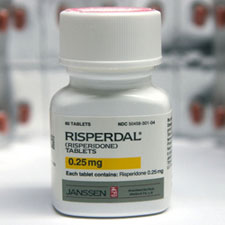
The overuse of antipsychotic drugs in nursing homes, especially to sedate dementia patients is an issue that strikes home for me. I watched my father suffer the consequences of being kept in a zombie state on these drugs. While I can’t know if my dad suffered while on these medications, my mother certainly did as she visited my father in this drugged state on a regular basis. My father only showed minimal aggression which probably could have been treated with behavorial therapy or milder drugs with less side effects. The main reason he was so heavily drugged was because like many dementia patients, he wandered.

I do feel for the understaffed, overworked and underpaid nursing home staff, who have no doubt found it easier to give patients a pill to keep them from becoming another problem to deal with. There is no easy solution, but filling helpless people full of drugs is not the answer.

Let’s hope the CMS initiative continues to be successful.

1 Comment

Filed under Awareness & Activism

Mice attack face of dementia patient in nursing home

I came across a gruesome story that reinforces the need for better oversight of nursing homes: a patient attacked by mice. Staff members doing room checks discovered a group of mice literally eating a patient’s face. The woman, who has dementia and is physically immobile, could not escape from the mice nor call out for help. This is truly a nightmare situation that no one would want their loved one to endure. The woman survived the attack and is recovering, but is obviously still emotionally traumatized from the event. The manager of the facility claims they struggle with mice issues because of a nearby farm. The same facility has also had issues with bedbugs.

mice

This incident took place in Canada, and it was interesting to read the comments associated with the story because it appears Canadians and Americans are struggling with similar problems when it comes to senior care. There are not enough dedicated funds to regulate and fully staff senior care facilities, which can lead to horrible cases such as the one in the news this week. Once again, it seems that seniors are being forgotten by politicians. With all of the bluster around Syria, there has been much talk about protecting the children. While no one disputes the need to keep children safe, the poor woman in that bed in the nursing home being attacked by mice was just as helpless as a baby. Where is the outrage?

For those who have loved ones with dementia in nursing homes, this is a reminder to be vigilant about looking for signs of neglect. If you see any bites, rashes or other unusual symptoms, have it checked out. When a loved one with dementia is emotionally upset, it can be hard to determine the source. If you can rule out something in their physical surroundings that is alarming them, it can give you some peace of mind. It’s difficult to imagine anything more frightening than having some creature gnawing on you and you cannot move or ask for help. We must be advocates for those who can no longer defend themselves.

Leave a comment

Filed under Awareness & Activism

Is it time for the Alzheimer’s awareness campaign to get aggressive?

The Alzheimer’s advocacy organization USAgainstAlzheimer’s was featured on the “Today” show this week. Among the interesting topics discussed was Alzheimer’s image problem. It was suggested that when most people think about breast cancer, they see seas of pink with all of the walks and events featuring active, impassioned women fighting the disease. AIDS walks feature an equally impassioned group of supporters, who have not been afraid to get angry and lash out at a government that they perceived asleep at the wheel when it came to research funding. But Alzheimer’s? The news clip showed an elderly person being fed by a caregiver. While accurate, it’s depressing.

elderly_woman

So is it time for Alzheimer’s to receive a public relations makeover?

While breast cancer awareness, AIDS awareness and Alzheimer’s awareness may seem to have little in common, there are certain common themes. Women have proven effective advocates for themselves when it comes to breast cancer, and since women do make up the majority of caregivers of Alzheimer’s patients, they could bring their outspoken compassion to Alzheimer’s awareness as well. A complaint I hear often is that the elderly seem to be castoffs in our modern society. While the initial delay in AIDS funding was due in part by rampant government homophobia, I think many Alzheimer’s advocates feel a similar sense of anger that the funding for dementia research and treatment is so woefully inadequate compared to other diseases. It does seem like we have been left behind, to toil silently behind closed doors, taking care of our loved ones as they lose their minds and dignity.

Angry activists are not always successful. They always run the risk of further alienating their pet cause. I’m not very fond of the cheap tactics sometimes used just to get media attention. But I do feel that the Alzheimer’s awareness campaign needs to evolve. How do you think Alzheimer’s advocates could better spread the word about what our families are going through and how desperately we need more funding for research, treatment and caregiving costs?

4 Comments

Filed under Awareness & Activism

Do “Super Agers” hold key to dementia treatment?

I was fascinated to read news about the current research on “super agers,” elderly people in their 80s and 90s who have maintained a sharp mind and exceptional memory for their advanced age. After analyzing brain scans from these unique individuals, researchers found less brain plaque and more brain mass in critical areas related to memory and attention. By studying the minds of those who have beaten the odds when it comes to their mental status, scientists hope to be able to protect others from developing dementia.

Super agers are more energetic and maintain positive attitudes.

Super agers are more energetic and maintain positive attitudes.

While very few people meet the stringent requirements to be in this select group, the super agers seem to be from all walks of life. However, they do have a couple of things in common: they have more physical energy and they have a more positive attitude than others their age.

It’s heartwarming to read about these seniors who are still finding so much joy in life and are active in their communities. While modern medicine has allowed us to extend our life spans to a certain extent, the growing rate of Alzheimer’s makes that definitely a mixed blessing. But if more of us could end up like these super agers, I think we wouldn’t dread the thought of old age so much.

1 Comment

Filed under Awareness & Activism

When disease robs precious gifts

I was saddened to hear that one of my favorite singers, Linda Ronstadt, has announced that she has Parkinson’s disease and can no longer sing. An aunt of mine died from Parkinson’s complications and it was a sad, slow decline for such an independent, hard-working woman, eventually impacting her mental state and leaving her completely dependent upon others to take care of her. Parkinson’s, like Alzheimer’s, can manifest in vague symptoms at first and be difficult to diagnose. According to news reports, Ronstadt believes her symptoms go back several years, but she was officially diagnosed just several months ago.

Linda Ronstadt's beautiful singing voice has been silenced by Parkinson's disease. Image copyright: Capitol Records.

Linda Ronstadt’s beautiful singing voice has been silenced by Parkinson’s disease. Image copyright: Capitol Records.

Like Alzheimer’s, Parkinson’s disease can rob one of their personal talents and joys in life. What a blow to not only have to deal with a seriously debilitating disease like Parkinson’s but to be robbed of an amazing gift, like your singing voice. Certainly Linda Ronstadt has had a long and successful music career, but for people who interpret the world through song, it is a tragic personal loss as well. The same goes for writers who develop a condition that prevents them from creating new works of literature and artists who can no longer paint.

Of course, these diseases rob the average Joe of gifts as well. When my dad lost his ability to read due to Alzheimer’s, a huge part of his love for life went with it. My dad loved to read and expand his knowledge on his favorite subjects and reading gave him much pleasure over the years. I’ll never forget when the nursing home staff asked us what does Dad like to do and the only answer we could give them was “read.”

4 Comments

Filed under Awareness & Activism