Tag Archives: caregivers

A visit to Amy’s Place

I finally had the pleasure of visiting Amy’s Place, a memory care cafe in metro Atlanta. Amy’s Place was selected by Atlanta magazine as a 2016 Groundbreakers finalist. This year the theme was how to make Atlanta a better place to grow old.

Amy’s Place certainly fulfills that mission. The charming home is open free of charge to people with dementia and their caregivers. It is designed as a place to visit and relax. Two adorable dachshunds bring wail-tagging joy to visitors, and caregivers can utilize a fully-stocked kitchen and shower while their loved ones receive attention and supervision from staff. Amy’s Place also offers caregiver support groups and fun social events, like painting classes.

I had a chance to meet co-founder Pam Van Ahn at the holiday party held at Amy’s Place last week. She and her sister Jean opened Amy’s Place earlier this year and are receiving rave reviews from the caregiving community. The memory cafe is part of their nonprofit, Caring Together in Hope.

The more I learn of programs like this, the more hope I have that we as regular citizens can make a difference in the lives of those with dementia and just as importantly, their caregivers. If you know of programs in your area that are designed to help caregivers, let me know in the comments section. I’m working on putting together a list of resources for my own Respite Care Share project.


4 Comments

Filed under Awareness & Activism, Memories

Marking National Family Caregivers Month

mom-joy

I learned a lot about caregiving from my mother.

Before November slips away, I want to recognize that this is National Family Caregivers Month. I love this year’s theme: “Take Care to Give Care.” Supporting family caregivers is something I believe strongly in, and I am grateful I have the opportunity to give back.

My development of the Respite Care Share concept continues, and I’m working on the poster presentation that will take place at the 2017 Aging in America conference. Along the way, I’ve met many dedicated family caregiver advocates. We have a long ways to go, but as with most things, a grassroots-level, community-based approach will generate quicker results than waiting for government action.

The Caregiver Action Network offers good tips for family caregivers on managing their own health.

  • Stress: Family caregivers often face a tremendous amount of stress, yet ignore their own mental and physical health. I was certainly guilty of this when I was a caregiver. It’s important to take steps to minimize and manage stress, and promptly address any health issues that arise.
  • Healthy lifestyle: It’s easy to throw out healthy habits like a nutritious diet and regular exercise when you are overwhelmed with family caregiving duties. But a poor diet and sedentary lifestyle can make one feel sluggish, and more vulnerable to experiencing health consequences from stress. There was a walking trail adjacent to my mother’s condo, so I went almost daily for walks, which helped relieve stress.
  • “Rest. Recharge. Respite.” I love this mantra from the Caregiver Action Network. My sleep was disrupted every day when I was caregiving for my mother, and there was no way to avoid that (leaking colostomy bags always seem to occur at 3 a.m. and will not wait!), but I tried to make sure I got a set amount of hours of sleep each day. I did take breaks when Mom was stable enough, and that really helped.

A big thank you to all of the family caregivers out there, who are facing another hectic holiday season. There are many people focused on providing greater support for family caregivers, so don’t give up hope.

Leave a comment

Filed under Awareness & Activism

Book review: Simply Happy

I had the privilege of receiving an advance copy of simply-happy-cover
Simply Happy
, a different kind of Chicken Soup for the Soul book. This time, publisher Amy Newmark has written an entire book herself, based upon the wisdom she has gained from reading all of the inspirational submissions over the years.

As you may remember, I was honored to have my first-ever Chicken Soup for the Soul submission, French Toast, accepted and published in Chicken Soup for the Soul: Living with Alzheimer’s and Other Dementias, which benefitted the Alzheimer’s Association.

I was as surprised as anyone to pick up a Chicken Soup for the Soul publishing credit. I am pessimistic by nature, though I prefer to refer to myself as a “realist.” My job as a journalist involves me seeing the worst and best of humanity day in and day out, and I admit the bad news seems to have more of an impact than the positive.

But that is exactly what Newmark is trying to address in this collection, which offers simple, realistic tips on generating greater happiness and satisfaction in your life. Newmark uses prior Chicken Soup for the Soul submissions as the main resource, adding what she learned or how she applied some of those lessons. Newmark was a successful Wall Street analyst before she took the Chicken Soup for the Soul helm, so she doesn’t gush rainbows and kittens, but addresses struggles that many people can relate to and how changing your perspective or outlook can help. There are no wonder cures or guarantees of happiness here, but I found myself relating to quite a few of the essays.

One that definitely hit home was the “Imposter Syndrome,” where people (especially women) feel like they are inadequate, even when everyone around them thinks they are amazing. I definitely suffer from this and am sure this is common among caregivers!

I also enjoyed the essay about removing toxic people from your life and embracing the art of saying, “No.” As caregivers, we often feel it is our duty to do everything, but that eventually leads to burnout. We have to learn when to say no and ask for help.

Simply Happy goes on sale Oct. 4th and would make a thoughtful gift. If you read it, let me know what your favorite passages were.

1 Comment

Filed under Memories

Dementia’s communication mysteries

I have found Kay Bransford’s blog series on “things never to say with someone with dementia” enlightening and wanted to share. Much of it I can relate to through my dad’s dementia, but there are certainly things I wish I could have done differently, if only I had known sooner. I’m passing along these words of wisdom from a dementia caregiver warrior in hopes it will help another family going through a similar experience.

When someone with dementia is silent, it does NOT mean they don’t understand you.

via Don’t assume they can’t understand you because they are silent. — Dealing with Dementia

Leave a comment

Filed under Awareness & Activism

What’s the best support a caregiver could receive?

thank-you-1238361-1919x1516

I am participating in the OpenIDEO’s end-of-life challenge and my idea made the top 50 cut.

The challenge is to reimagine the end-of-life experience for ourselves and for our loved ones. I focused on the end-of-life experience as a caregiver, and the importance of respite care. When caregivers become burned out, everyone suffers. Everyone needs a break, and the end of life can be a longer road than expected. That’s why I submitted the idea of Respite Care Share, which would offer free or discounted vouchers that caregivers could use at hotels and on vacation rental services like Airbnb. Caregiving assistance while the caregiver is away would also be part of the package.

While Medicare covers an allotment of respite care days, and will place a patient in a facility during the respite care period, I found that respite care can be restricted depending upon if there are available beds in a participating facility. Even if you can place your loved one in a facility or find appropriate home care, a nearby weekend getaway can help clear the mind and renew the spirit.

Now I need your help in propelling the idea forward.

The idea as it stands now is that the caregiver respite vouchers would be presented as the centerpiece of a caregiver care package. These packages would include vouchers for respite care and other services, such as massage and other spa services, yoga classes and other personal enrichment services that focus on relaxation.

If you would be so kind as to respond to this 3-question survey, I would greatly appreciate it:

Caregiver Appreciation Survey

Feel free to leave comments on this post as well and share the survey link with other caregivers.

Bottom line, whether you are a current, former or future caregiver, how likely would you be to use respite care vouchers? Is there another form of caregiver support you would rather receive? What else would you want to know about the program?

1 Comment

Filed under Awareness & Activism

A call to support a fellow artist and caregiver

Many of you dear people who follow The Memories Project dabble in writing or other art forms, and are either caring for or lost loved ones to dementia.

Emily Page is an artist and blogger who recently lost her father, who had FTD. She has started a crowdfunding campaign for a book she is writing about the experience, which will include some of her fabulous art.

If you are so inclined and in the position to do so, please consider donating to her campaign. You can find out more about the project on her blog and via her Publishizer page.

I’ve never met Emily personally, but I have a feeling we would get along, because we both love cats and bourbon!

In less than 72 hours, I have had over 250 pre-orders for my book, Fractured Memories, about my family’s sometimes hilarious, sometimes horrible journey through my dad’s dementia. Seriously. Are you people kidding me? Did you know you were that awesome? Did you? I kind of vaguely suspected you might be pretty cool, but damn, I […]

via You People Are The Best People — The Perks of Being an Artist

Leave a comment

Filed under Awareness & Activism

My essay about dying at home posted on The Caregiver Space

I’ve been reading posts on The Caregiver Space for quite some time, but never had time to submit my own writing.

Now that I find myself in a post-caregiving phase of my life, I’m really trying to focus on writing a series of essays that have been stewing in my brain for awhile.

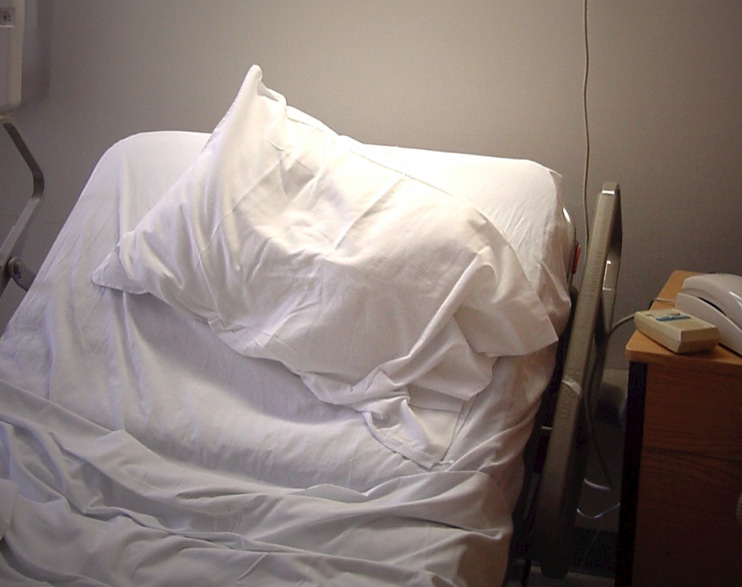
hospital bed

Last week, The Caregiver Space published my essay, “Why dying at home is not all it’s cracked up to be” and the reception has been quite positive. The post was published on The Caregiver Space Facebook page where it generated several hundred likes and many heartfelt comments.

The essay is not an attack on hospice care workers; I admire most of them and think they do a phenomenal job. Hospice care is truly a calling in my opinion, and one can see the benefit of the loving, compassionate care they provide.

My essay is a look at dying at home vs. dying in a facility from the family caregiver’s perspective. After my dad died in a skilled nursing facility, I was all for my mother dying at home. But the reality was a bit different. It was an emotionally brutal experience that I wouldn’t wish on my worst enemy. That’s not to say that her death would have necessarily been better in a hospital, it would have been difficult in a different way.

My main point of the essay is to bring awareness to family caregivers in rural areas. They may find that the local home hospice agency is understaffed and overworked, and cannot provide the around-the-clock care that is often touted by die-at-home advocates. People should be aware and prepare themselves for taking on more of the nursing duties of caregiving. If they feel they cannot do it themselves, they should seek out help from family, friends or professional caregivers.

If you have the time, please read the essay and let me know what you think. Also, please share with anyone who you think could benefit from the information.

5 Comments

Filed under Awareness & Activism

White House Conference on Aging: Great discussions, now we need to see action

Update: I was moved by many of the stories and statistics shared at the White House Conference on Aging. How little paid caregivers earn and the rallying cry to pay them a livable wage of $13/hour. A woman who juggles the demands of motherhood and her father who has Alzheimer’s, yet sits on hold or gets the run-around when calling for help from government agencies.

There were many programs and initiatives unveiled at the conference, and while many sound promising, the proof will be in the results.

Original post:

The White House Conference on Aging is happening today. I think it will be of interest to many who follow this blog.

I wish I could be in Washington, D.C. to participate in person, but I am following along with the live stream of the conference and taking part in the conversation on social media by using the hashtag #WHCOA.

whcoa logo

I hope the conference will help generate greater awareness for the issues impacting caregivers in America, both family caregivers and professional caregivers. The fact that the government is taking a day to discuss aging issues is progress, but of course, legislative action and government funding is ultimately what is needed.

If you catch any of the conference, share your thoughts below.

Leave a comment

Filed under Awareness & Activism

A simple act of kindness is often greatly appreciated

Recently, I visited my mom. It was the first time I would be meeting her personal caregiver. I’ll call her Debbie (not her real name.) Mom had raved about how wonderful Debbie was and how much she liked her.

hands

We’ve all heard horror stories about the other kind of caregivers, those who steal from clients or abuse them. I was relieved that Mom was happy with her caregiver. I think the service has lifted her spirits and helped take the burden off of her when it comes to housekeeping and grocery shopping. In short, personal attendants can help my mom live independently longer.

Debbie made me comfortable immediately. She is warm and kind and doesn’t let Mom get down on herself. But she also isn’t fake in her positive thinking, instead she is encouraging. She is an ideal match with my mom, who is set in her ways and finds changes in routine stressful. Debbie knows how to keep my mom on the right track.

I thought the least I could do was get Debbie a thank you card, to let her know I appreciated her taking good care of my mom. Apparently it’s a struggle to keep gas in the car on her wages, and she doesn’t get reimbursed for mileage. She was one of the few people who was almost looking forward to jury duty, because it would pay the same/better than what she earns normally!

So I gave Debbie the card and she told my mom later that she was so touched that she cried after reading it.

Caregiving is a job where you may not receive much thanks or positive feedback. Showing a bit of appreciation can go a long way.

1 Comment

Filed under Awareness & Activism

Guest article: Dealing with dementia: What caregivers need to know

By Jesse Waugh from Daughterly Care

Have you been given the rewarding yet challenging task of caring for a loved one with dementia?

Undoubtedly, caring for someone with the affliction can be very demanding both emotionally and physically.

An overall term to describe a dramatic decline in one’s mental ability, dementia can be severe enough to interfere with the patient’s day to day existence.

The following tips will help you care for a patient with dementia effectively, while helping them transition into another phase of their lives with less difficulty.

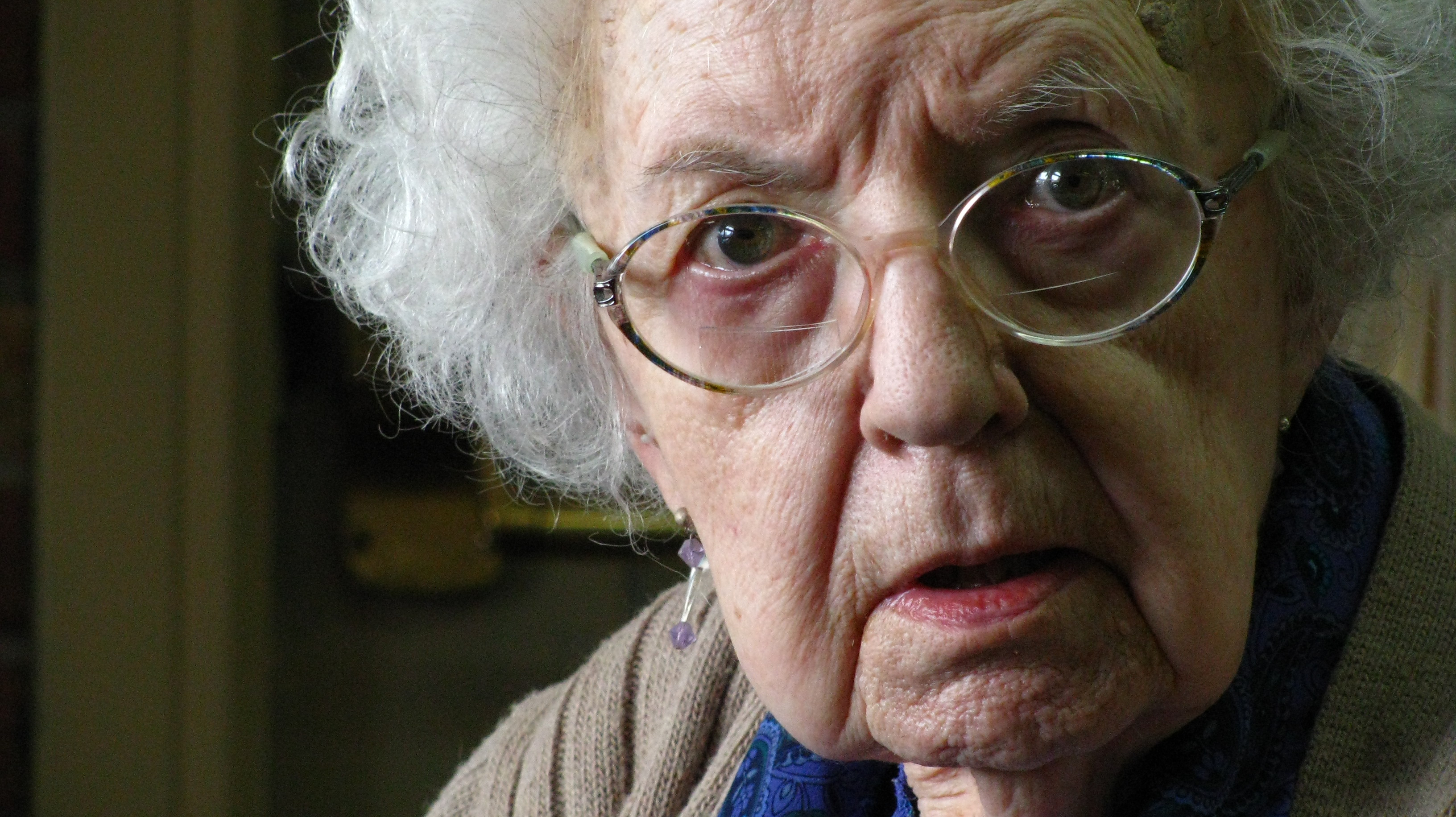
elderly_woman

Communication
In most cases, people with dementia will find communicating utterly demanding.

Chances are, they will find it difficult to verbalize, write and express their emotions in general.

In some instances, they have the tendency to also lose sight of conversation basics and might end up ignoring or interrupting you in the process.

Bridge the ‘communication gap’ by keeping in mind the following basics.

• Keep calm at all times and give them sufficient time to comprehend what you are trying to say and wait for them to respond to you.
• Make use of touch and other positive body language when communicating and make it a point to remain consistent in your approach.
• Always opt for simple and short sentences when trying to get your message across. Also, try not to argue and be condescending. Keep in mind that they still have emotions and feelings even if they might have difficulties understanding you.

Nutrition

Part and parcel of fitting elderly home care should involve carefully monitoring the patient’s drinking and eating habits.

There is a possibility for people with dementia to forget to eat and drink so keeping an eye on this key element should be considered vital.

Effectively manage their eating and other nutrition needs by taking the following pointers to heart.

• Ensure snacks and meals are offered on a regular basis. While not everyone has the same needs, 5-6 small meals a day is considered ideal.
• When possible, serve foods they are familiar with and patiently demonstrate chewing if the need calls for it.
• In most cases, patients tend to lose a lot of weight especially in the later stages of the disease. With this in mind, consider giving nutritional supplements. Consult a doctor or a dietitian so you will be given appropriate advice as to the supplements that might be helpful.

Aggression
While not true for all, there are instances when patients with dementia will exhibit some aggression tendencies.

Be on top of any possible outburst by practicing the following essentials.

• Inform friends, family and relevant health professionals if the patient displays any form of aggression.
• If fits happen repeatedly, try to observe so you can figure out what the triggers are. Once you identify what provokes the outbursts, it will be a lot easier for you to steer clear of those triggers.
• If the outbursts become frequent and unbearable, ask for professional advice so you will know how to manage it effectively.

While physically challenging and emotionally devastating, you can do much to help make dementia a bit more bearable for the patient. Equip yourself with all there is to know, seek the help and guidance of the right professionals, and you are on your way to managing dementia with ease.

Leave a comment

Filed under Awareness & Activism