Tag Archives: caregivers

Keeping your loved ones with dementia warm and safe during winter weather

The new year has started off with a blast of winter weather that is impacting a large portion of the U.S. The frigid temperatures are a sobering reminder to take special precautions if you are caring for someone with dementia.

Each year, cases are reported of those with dementia wandering away from home and dying from exposure during the winter. My dad was a dementia wanderer, so these tragic cases hit close to home for me. There are several things to keep in mind when caring for loved ones with dementia on top of normal winter weather safety tips.

Creative Carer had a Facebook post this past week that offered excellent tips on how she kept her mother warm and comfortable during the winter. Some tips to keep in mind:

  • Depending upon the stage of the disease, your loved one may not be able to accurately communicate if they are comfortable temperature-wise. It’s important to be hands-on and monitor for signs of discomfort.
  • As Creative Carer points out, pay special attention to the extremities during cold weather.
  • Think about smart layers. A fidget blanket could serve dual purposes, by occupying restless hands while keeping the body warm. Be cautious about bundling with too many layers of clothes, as it could make it difficult to use the restroom and restrict movement.
  • When severe winter weather limits outdoor activities, make plans to keep loved ones occupied indoors. Restlessness can lead to wandering attempts.
  • Don’t forget about bath time and take extra precautious to keep your loved one warm and comfortable.
  • Knowing your loved one’s preferences before they developed dementia can serve as a guide to maintaining comfort even once they become non-verbal. My father didn’t like things around his neck, as it made him feel like he was being strangled, so scarves would not have been a good choice for him. However, Dad liked wearing hats, so that would have been acceptable.

I hope you and your loved ones stay safe during this winter season.

2 Comments

Filed under Awareness & Activism

New year, new opportunities for caregivers

Happy New Year! I hope you and your loved ones had a good holiday season. While we enter another year fraught with tension on many fronts, one way to harness anxiety is by focusing on positive actions you can take to make a difference.

Such actions can come in many forms. Maybe this is the year you finally join a caregiver support group. It’s an election year so perhaps you join forces with a group like Caring Across Generations and their campaign for paid leave for family caregivers. Have you thought about your end-of-life care wishes and do you know the wishes of your loved ones? Make it a priority this year to document these choices in a form that’s legal where you reside.

Perhaps you or a family member have been diagnosed with Alzheimer’s disease or another form of dementia and you are seeking trusted information. Consider an excellent community resource like AlzAuthors, where you can read books from dementia caregivers, medical professionals, and those who are living with dementia. That includes my award-winning book, The Reluctant Caregiver.

If you’d like to get involved in Alzheimer’s research, explore the Alzheimer’s Association TrialMatch. On that note, the Center for Information and Study on Clinical Research Participation (CISCRP) is seeking individuals age 65+ living in the U.S. diagnosed with mild Alzheimer’s and/or their caregivers to participate in a virtual interview project. Note that CISCRP is not recruiting volunteers for a clinical trial, but rather to learn from patients how to best create a clinical trial that addresses the unique needs of individuals with Alzheimer’s. For more information about the interview project, please contact research associate Madeline Heaney at mheaney@ciscrp.org or call 617-725-2750 ext. 416.

Leave a comment

Filed under Awareness & Activism

The gift of having difficult conversations

This holiday season, one of the best gifts you can give the caregivers in your life as well as those nearing the end of their lives is the space and attention to have difficult conversations.

This includes not only end-of-life conversations but challenging family situations that need to be addressed. Perhaps there’s a caregiver in your family or friend circles that could use more support. If we’ve learned anything over the last few years of tremendous loss of life from the pandemic, it’s that we may not have the time we think to work through difficult issues with our loved ones. Now is the time to be proactive.

I was reminded of this while watching the Peacock TV series, “The Gentle Art of Swedish Death Cleaning.” This isn’t normally the type of show I would watch but in episode 2, a woman with terminal cancer is featured. In fact, the woman was quite organized and she didn’t need that much help in downsizing. Beyond practical matters, she was dealing with challenges connecting with loved ones as she neared the end of her life. As one of the death cleaners proclaims, she needs “death cleaning of her soul,” which is an empowering concept that they help her fulfill.

Can you facilitate that process for yourself or someone dear in your life? What a meaningful holiday gift that would be.

Photo by freestocks on Unsplash.

Leave a comment

Filed under Awareness & Activism

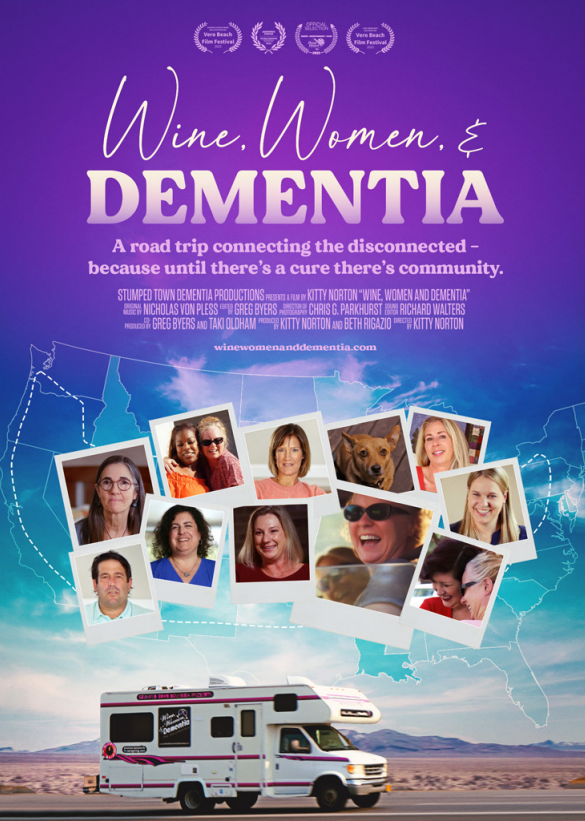
Wine, Women, and Dementia a candid and moving caregiver documentary

Recently I had the chance to see the documentary, “Wine, Women, and Dementia.” The film was made by Kitty Norton, who quit her job to care of her mother who had dementia. Norton documented the roller coaster ride of family caregiving with her sister, creating a popular blog, Stumped Town Dementia, and sharing videos of the sometimes hilarious, sometimes tragic moments involved in being a dementia caregiver.

Through her blog, Norton built an online community which offered each other support and advice as they experienced their own caregiving journeys. In the documentary, Norton travels across the country to visit these caregivers and learn more about them. The result is a brutally honest, moving and in certain moments, hilarious documentary.

The candid tone of the documentary aligns with my own experience and approach to caregiving, as I captured in my book, The Reluctant Caregiver and as I share here on The Memories Project. If you’ve seen the film and would like to check out my book, you can grab a free copy through December 15, 2023 via this Prolific Works giveaway.

By not shying away from the difficult moments, we better prepare caregivers for the future. I also appreciate the value of online communities that the film highlights. While the internet can seem overloaded with toxic behavior, if you look in the right places, you can find good people like those included in this film who have build a supportive caregiver community.

You can visit the Wine, Women, and Dementia website for details on upcoming screenings.

3 Comments

Filed under Awareness & Activism

Being grateful in difficult times

For those facing difficult family situations, the holiday season is often met with dread. As we get older, losses can mount and make the holidays a reminder of those who are no longer with us. I grapple with this each holiday season, as my father died five days before Christmas 2011. Every holiday season since then has been tinged with grief.

It can feel impossible to feel gratitude as a family caregiver who may feel hopeless and trapped in their situations. I often felt resentment when I came across those pushing messages of gratitude during the holiday season. Now that I’ve had the space of several years since caring for my parents, I feel that a gratitude practice can be a useful self-care tool but only if one is genuine and not trying to force the issue.

Gratitude doesn’t have to be a list overflowing with positivity. It can be a testament to what makes your life worth living.

I hope your holidays will come with good family moments. Those happy memories can provide immense comfort during tougher times.

If you are looking for more reading material this holiday season, I’m participating in a giveaway via Prolific Works. You can get a copy of my award-winning personal essay collection, The Reluctant Caregiver, for free through December 15, 2023.

Image by Deborah Hudson from Pixabay.

Leave a comment

Filed under Awareness & Activism

Remembering Rosalynn Carter, dedicated caregiver advocate

Embed from Getty Images

Former first lady Rosalynn Carter died Sunday at the age of 96.

Carter was well-known for her caregiver advocacy work. One of her most famous quotes sums up the universal importance of caregiving:

“There are only four kinds of people in the world—those who have been caregivers, those who are currently caregivers, those who will be caregivers, and those who will need caregivers.”

Rosalynn Carter,
Former First Lady of the United States

Carter, much like her husband, former President Jimmy Carter, didn’t just deliver speeches or donate money to caregiving causes. The Rosalynn Carter Institute for Caregivers was established in 1987. The Institute conducts important research on the impacts of caregiving and has launched programs like Working While Caring, which partners with employers to address the needs of their caregiver employees. The Institute also has programs dedicated to dementia and military caregivers.

The Carters were married for 77 years, a union that was a true and loving partnership.

For more on Carter’s long life dedicated to giving back to others, visit her tribute page.

The best way to honor her memory is to continue her mission, to create a society in which caregivers are supported and have the resources they need to thrive.

Leave a comment

Filed under Awareness & Activism

Understanding a caregiver’s ‘quiet rage’

The New York Times published an article recently that shines a light on an important caregiving topic that is close to my heart.

The Quiet Rage of Caregivers features the stories of caregivers who faced difficult caregiving experiences. One caregiver profiled is writer Ann Brenoff, who wrote “Caregivers Are Mad as Hell! Rants From the Wife of the Very Sick Man in Room 5029.” I consider her a kindred spirit, having written about my own challenging caregiving experiences in my personal essay collection, “The Reluctant Caregiver.”

While anger and frustration are normal emotions to feel as a caregiver, society doesn’t tend to support caregivers expressing negative emotions. Instead, caregivers are judged for being selfish and not loving the ones they care for enough. This is especially true for female caregivers, who are expected to sacrifice career and other pursuits to embrace a role that they have historically been expected to fulfill.

Jennifer Levin, who runs a Facebook support group for millennial caregivers, summed up the conflicting emotions of caregivers: “A lot of caregivers are afraid to express their anger, because they feel guilty.”

I definitely experienced that uncomfortable mix of emotions when caring for my parents. Exhaustion of juggling a full-time job with caregiving duties, resentment, guilt for feeling resentful, frustration at the lack of support … and then I was expected to show gratitude and spin the experience into a positive?

I am grateful for Brenoff and others like myself who are speaking out for those still in the caregiving trenches, who feel powerless and in despair of what seems like a hopeless situation. The best way we can support caregivers is by making sure they have the resources they need so that caregiving becomes a manageable situation, not one in which the person feels like they are drowning each and every day.

Photo by Annie Spratt on Unsplash.

2 Comments

Filed under Awareness & Activism

Marking National Family Caregivers Month and National Alzheimer’s Month

November is both National Family Caregivers Month and National Alzheimer’s Month. The National Family Caregivers Month theme for 2023 per Caregiver Action Network is is #CaregiversConnect. Visit the CAN website for resources on how you can connect with other caregivers and caregiver support services.

In honor of National Alzheimer’s Month, I’d like to share a giveaway from AlzAuthors. During the month of November, while supplies last, you can receive a free audiobook, “Alzheimer’s and Dementia Caregiving Stories: 58 authors share their inspiring personal experiences” to those in the US and UK and a free copy of the e-book version, which is available to readers around the world. Visit the AlzAuthors website for more details.

I’d like to share this message from AlzAuthors in support of all caregivers. I know I struggled as a family caregiver by constantly being in doing mode. Respite can be difficult to secure and self-care is often relegated to a low priority, but even moments of pause can make a difference.

Leave a comment

Filed under Awareness & Activism

‘Depression tiredness’ and caregivers

As we prepare to enter another holiday season, it’s important to note if you are exhibiting signs of depression and fatigue. This social post from the Academy of Grief calls it “depression tiredness.”

I experienced much of this list while caring for my parents. I thought the “pretending to be okay” entry and being tired from faking a smile all day was particularly notable for caregivers. Instinctively people may project an outward image of strength, but inside, we may be feeling something quite different.

It’s also important to note the small things one can do when they experience these emotions. Of course, seeking professional care is vital, but “small glimmers” can help one get through a difficult day. I’ve actually used all of these at one time another to ground myself or lift my spirits.

What would be your small glimmers?

Photo by Kristina Tripkovic on Unsplash

Leave a comment

Filed under Awareness & Activism

Travel tips for caregivers

From my recent visit to Amsterdam.

I just got back from my first trip overseas since before the pandemic. Here are some observations I made that may be helpful for caregivers.

  • Verify that you and your loved ones have the required travel documents well before your international trip. Check the expiration date of your passport. If it is going to expire within 3-6 months of your trip dates, check to see if you’ll need to renew before your trip. Beginning in spring 2025, an additional authorization document will be required for US citizens traveling to Europe.
  • Mode of travel: If you are traveling overseas, you’ll probably be flying or taking a cruise. Trains are an option when traveling across Europe. There are pros and cons to each. It really depends upon the needs of those you care for and which mode of travel would be the most accommodating.
  • Medications and medical supplies: Make sure to clearly label medications to prevent issues during the security screening and if you have electronic medical supplies that require power, make sure to bring a country-specific outlet adaptor.
  • Accommodations: Make sure the accommodations you choose during your trip, whether a traditional hotel or an Airbnb, will be accessible for you and your loved ones.
  • Special diets: You can request special diet meals on flights. This can typically be done online, but check with your airline for more details. Bringing some favorite snacks can help put anxious loved ones more at ease. For those with a history of severe allergic reactions, bring an Epipen.
  • Public vs private transportation: Once you’ve arrived at your destination, if you plan on traveling in the region you’ll need to decide if public transportation is feasible or if would be more comfortable to hire a private care, if your budget allows. I dealt with significant rail issues during my recent trip which I was somewhat prepared for but do research how reliable public transit is in the area you will be visiting. Are you and your loved ones physically mobile? Keep in mind that walking is much more utilized as a form of personal transportation than in much of the US.
  • Be prepared for the unexpected: Travel delays, reservation issues, illness, etc. Try to include some flexibility in your travel schedule to allow for common travel issues.
  • If you or your loved one have a medical issue that you may need to seek care for while traveling, research care options near your destination. If you are visiting a country in which you can’t speak the language, do learn the phrases that could be of use to you in those situations.

Seeking more travel tips? Check out this guide from AARP and this Caregiver.com article that offers dementia caregivers specific trips on traveling safely with your loved ones.

Scenes from Amsterdam

1 Comment

Filed under Awareness & Activism