According to the American Heart Association, “older female heart attack survivors were twice as likely to see declines in memory and cognitive ability.” Multiple factors may contribute to the gender disparity, including blood pressure fluctuations during pregnancy and early menopause, per the American Heart Association. Other risk factors include obesity and diabetes.
A scientific statement published in Oct. 2024 by the American Heart Association noted that “heart failure, atrial fibrillation and coronary heart disease are linked to cognitive impairment and increased risk of dementia.” Heart disease can lead to decreased blood flow, inflammation, and structural brain changes, which can impact cognitive function, according to the American Heart Association report.
We often think of Alzheimer’s and other dementias as a brain disease but there’s a growing body of scientific evidence supporting the connection between the cardiovascular system and cognitive function. A holistic approach is recommended, with regular monitoring of blood pressure, managing stress, routine exercise, a heart-healthy diet, and quitting smoking all ways people can support not only the health of their hearts, but their brains.
You don’t have to be a medical professional to know that getting a good night’s sleep is important for overall health and wellbeing. A new study, following up on findings from previous studies, finds evidence of a potential link between a particular phase of sleep and Alzheimer’s.
The study, published in the Alzheimer’s Association Alzheimer’s & Dementia Journal found a potential link between Alzheimer’s and a delay in the onset of the rapid eye movement (REM) phase of sleep. The study was small (128 people) and was conducted in a sleep clinic, which could have impacted sleep quality. Still, the findings were notable due to its focus on REM sleep. According to HealthDay, researchers focused on this key phase of the sleep cycle because its during this period that the brain processed memories.
Half the patients in the study had been diagnosed with Alzheimer’s, and another third had mild cognitive impairment (MCI), while the average age of the study participants was 70.
Two groups were created for the study: those who entered the REM sleep phase earlier (less than 98 minutes after falling asleep), or later than average (more than 193 minutes after falling asleep.) The study found that those with Alzheimer’s were more likely to experience delayed REM sleep. This group also had higher levels of amyloid and tau, toxic brain proteins long associated with Alzheimer’s disease., and lower levels of healthy brain proteins than those with an earlier onset REM sleep phase.
I’m fortunate to never have suffered from insomnia, but I’ve seen the negative impact that being unable to get a good night’s sleep has on the lives of others. My mother had chronic insomnia, though she never developed dementia. My father didn’t suffer from insomnia but he had a sleep cycle that was outside the norm. He worked the swing shift most of his work career, so he wouldn’t get home until very late at night, and then stay up until the early morning hours to wind down. My father also suffered from periodic nightmares. Decades later, my father began having disturbing dreams whose effects lingered long after waking, which coincided with his earliest symptoms of dementia.
As insomnia has seemingly become more common in our society, there’s a lot of resources out there for those who are sleep deprived and looking for better quality sleep. Sleep hygiene has become a popular concept in recent years, which can include everything from diet to bedroom setup. Natural supplements like melatonin may help some, while OTC and prescription medication may be necessary for stubborn cases but come with a host of side effects. Non-medication options include meditation and things like the Calm app’s “sleep stories.” (Check with your health care insurer as some offer complimentary Calm subscriptions.)
While researchers haven’t been able to determine whether insomnia is a risk factor and/or an early sign of Alzheimer’s, good sleep comes with a host of health benefits beyond cognitive function. That’s something worth sleeping on.
I hope those dementia caregivers who wonder if they are doing enough or doubt their capabilities of caring for their loved one take the time to read the above post, “Dementia Does What It Does” on the When Dementia Knocks blog. Elaine captures quite eloquently the progressive march that dementia eventually takes, no matter what cures or solutions you throw at it. Elaine’s message may sound pessimistic, but its intention is to give yourself a bit of grace and self-compassion. When you accept the current reality of a dementia diagnosis, you may blame yourself less when your loved one continues to decline, in spite of your best efforts.
There is some tentative hope of more effective treatments on the horizon, but for now, just know that you are doing your best as a caregiver.
After learning about colors as a child, we may take their appearance for granted, unless you are an artist. But colors can take on different meanings for those with dementia, and understanding those changes can be helpful as a dementia caregiver.
I remember seeing the visual impact of dementia in person when visiting my parents. We were in a building with an elevator, and my father took a very large step across the threshold of the elevator, where a black mat was placed. As Linda Slaton Anderson points out in this article published in Today’s Caregiver, “some therapists recommend placing black mats in front of doors or stairs since Alzheimer’s patients perceive them to be holes and thus tend to avoid walking on them.” Clearly, my father experienced that “black hole” visual disruption.
While some changes in processing colors can be frightening for both those with dementia and their caregivers, colors can also be used in positive ways. For example, those with dementia with diminished appetite may benefit from using red dishes on a white tablecloth, due to the higher contrast attracting attention to the food on the plate.
“Colors are processed by our brains more quickly than words,” Anderson notes. As those with dementia lose their language abilities, colors may remain a way to convey feelings and encourage engagement.
Color choice can impact mood, which those with an interest in interior design understand well. This applies to those with dementia as well. Blues and greens can provide a calming, soothing effect, while orange and yellow are cheerful colors that can lift one’s mood.
For caregivers trying to decode or address negative behavior in their loved one with dementia, consider the role color may be playing.
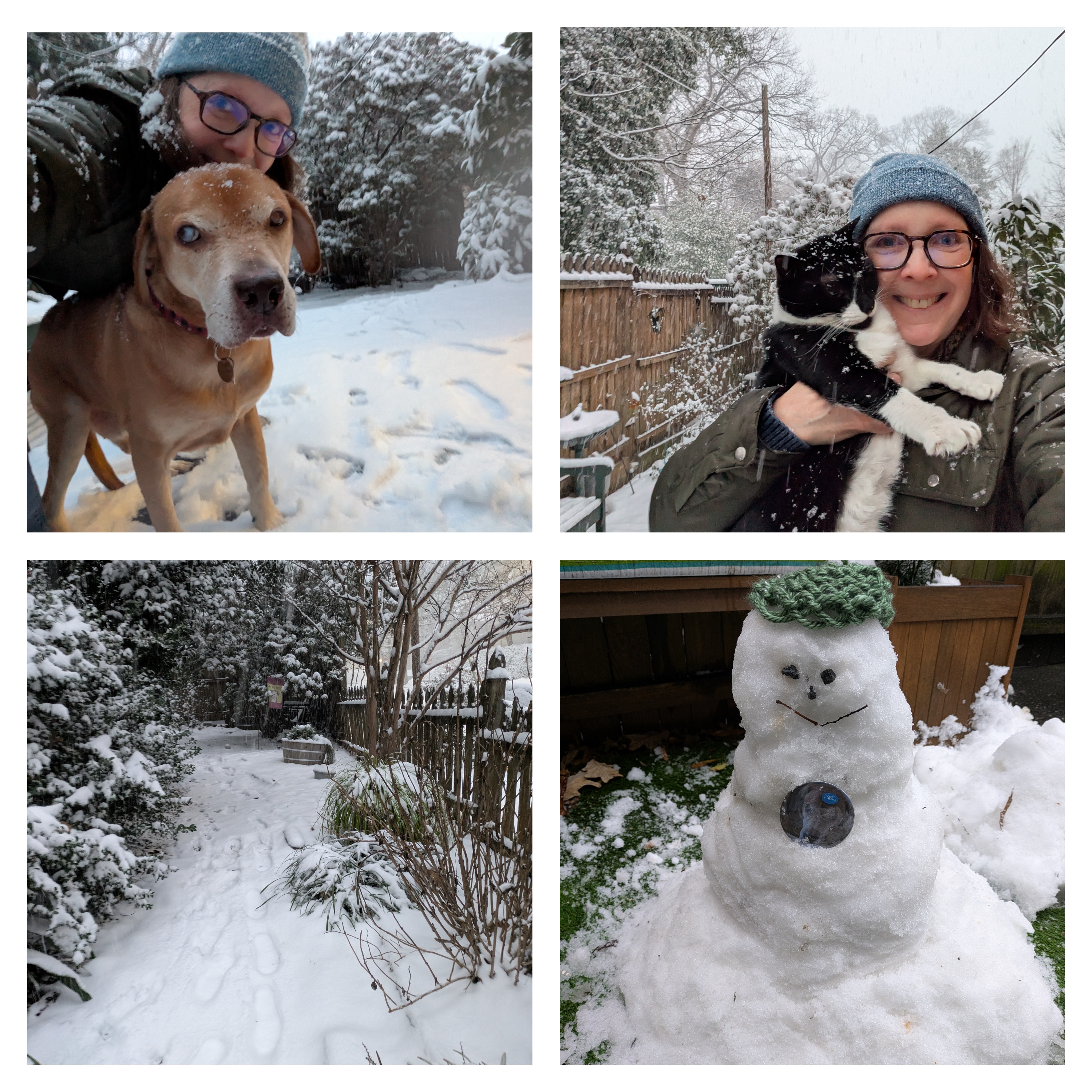
We had the rare snow day in Atlanta on Friday. It snowed a bit more than expected intown, and upon waking one walked into a winter wonderland.
It’s always fun to see how pets react to snow, especially when they don’t see it very often. My dog Murphy was braver than expected. My girl kitty Serena, who on a sunny day loves to try to bolt out the door to explore the yard, approached the snow with extreme caution and immediately regretted her decision, haha. And Dorian, my boy cat, the daredevil of the bunch, flat out refused to even put a paw into the snow.
Growing up in southern California, I never saw snow until I moved away for college, but I remember my mother having fond memories of snow days on the farm in Tennessee where she grew up. While there were still farm chores to be done, school was out. The family would make snow cream from the freshly fallen snow. Of course nowadays, with all of the pollutants in the environment, this wouldn’t be safe to do, but back in the day, my mother had fond memories of this rare, special treat.
Of course, winter weather can bring challenges to those with health issues and their caregivers. Last year around this time I wrote about keeping your loved ones with dementia warm and comfortable during winter weather events. I notice that as I age, the cold tends to bother me more so I’m using some of the tips on the list as well, such as layering and paying attention to my hands, which can be a challenge to keep warm.
Hope you are staying warm and cozy this winter season.
Happy New Year. I hope you were able to enjoy time with family over the holiday season.
Once the holidays are over, our elder loved ones may miss the social interaction and companionship. I know my mother deeply missed the daily companionship of my father after he moved into the memory care center and then died a year later. There was an active senior community center where she lived, but my mother refused to go, saying she didn’t want to be around “old people.”
Home Care Matters had good tips on helping elders connect with community in their newsletter. They also offered additional tips about keeping elders engaged during the winter months when it may be difficult to leave the house for socializing. Some churches offer transportation service for those who need assistance to and from services. Volunteer work is another great way to connect with the community. How one socializes and stays engaged with their community may take some creativity on the part of family, but the mental, emotional, and health benefits are well worth it. You’ve likely seen the reports about the health consequences of the loneliness epidemic, including an increased risk of dementia.
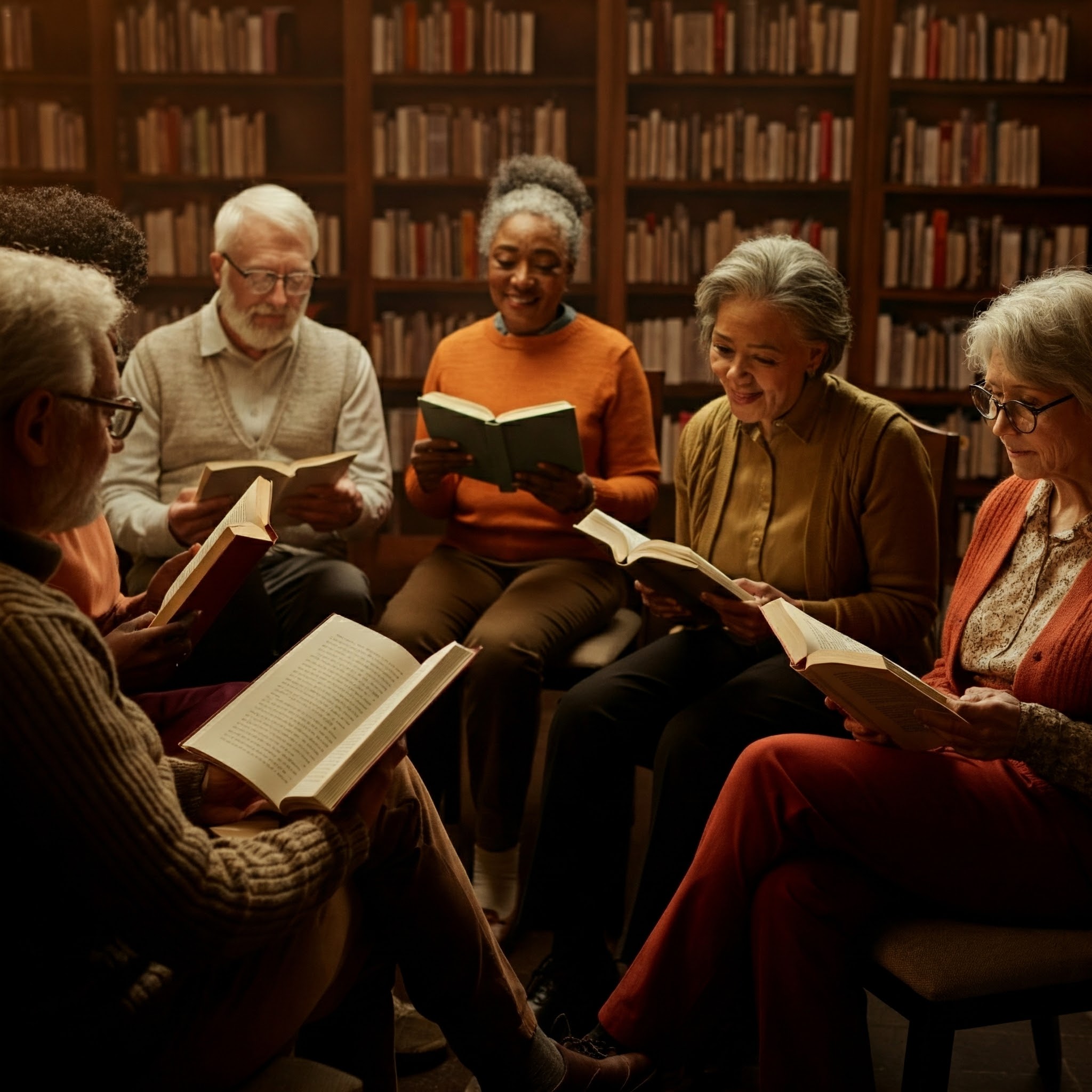
What about our elder loved ones who are introverted or don’t enjoy the typical senior community center activities? As an introvert myself, I’m not a big fan of in-person group activities, but I found that I do enjoy online activities like virtual book clubs. An online women’s healing circle has been beneficial in supporting my emotional wellbeing during the pandemic. I also enjoyed an in-person knitting group I attended last year a couple of times and may return to that in the future. For me, the key is to use my hobbies and interests to find communities where we share a common interest.
What about those who are resistant like my mom? Sometimes, you have to let your loved ones follow their own way. For example, my mother used errands to socialize with everyone from the bank manager to the Mexican restaurant server to the shuttle driver. I appreciate those people who took extra time to interact with my mother. They probably don’t realize how much of a positive difference they made in my mother’s life.
Posing with the bears outside of the Ruidoso Public Library, 2004.
My father died 13 years ago today. Having spent time recently going through the final batch of my father’s possessions, I feel his spirit even closer this year.
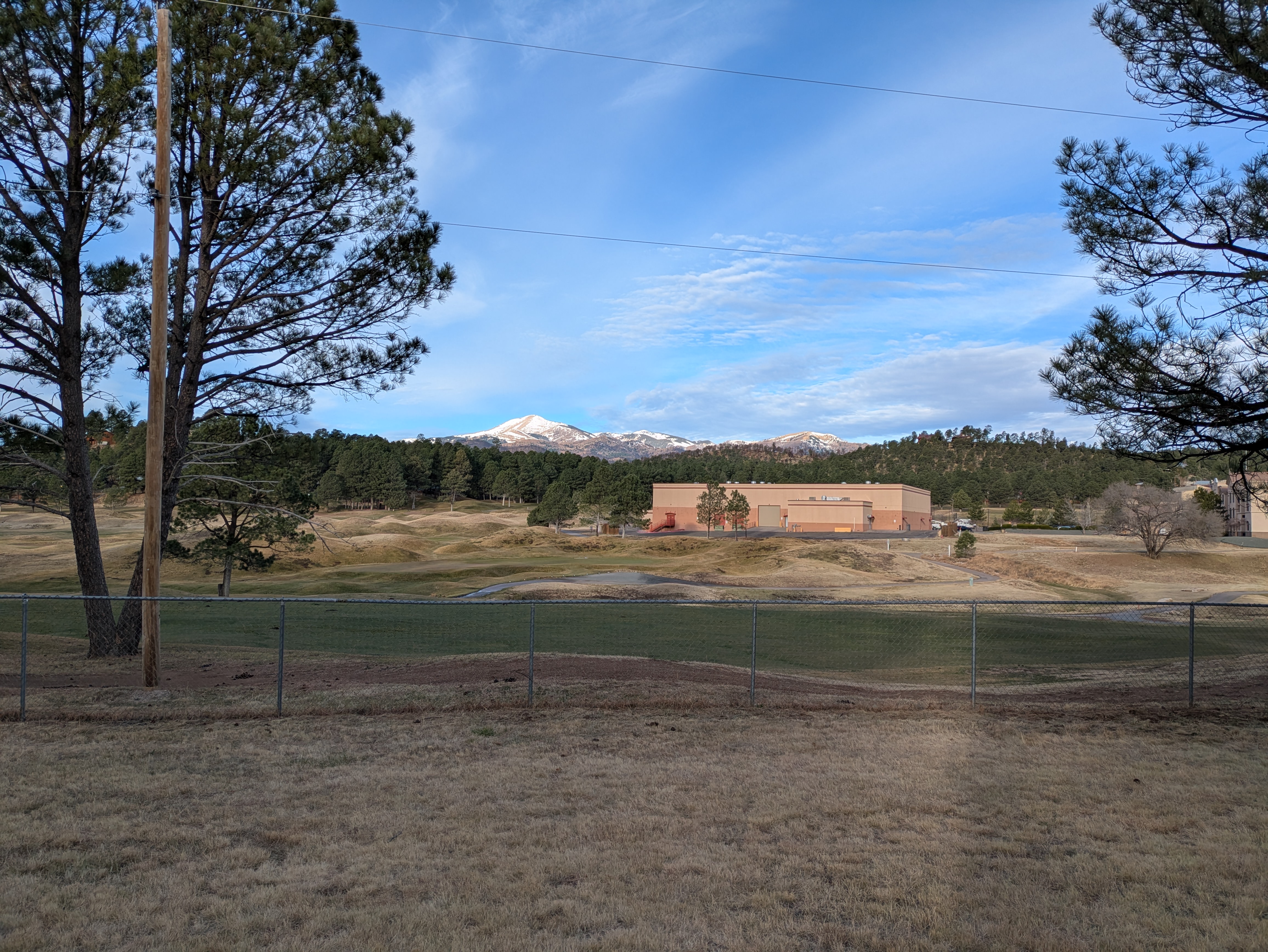
I didn’t have down time while I was cleaning out my parents’ condo, so I got up extra early on the day I was leaving to visit the library. I took a photo with one of the bear statues. It was too early for the library to be open but I was glad I squeezed in the time to take in the sights and sounds of nature along the picturesque walking trail to the library, as my father did so many times.
Posing with the bears again, Nov. 2024.
It was my father’s favorite spot. He spent countless hours there, and even as his dementia progressed and his reading skills diminished, he still made his way to the library out of habit.
I don’t visit libraries myself anymore, having adopted the convenience of e-books, but as I mentioned in my last blog post, libraries will always hold a special place in my heart.
Even though it’s been well over a decade since my father’s passing, marking the somber anniversary still does have an impact on my holiday spirit. For those who have experienced loss during the holiday season, allow yourself the space and self-compassion to adjust expectations.
Reflection and remembrance can take many forms, and your preferences may change over time. Be authentic and don’t try to force emotions.
I know this can be easier said than done when it comes to demands from others, who may not appreciate the complexities and individuality of the grieving process. My wish for you this holiday season is that others will be supportive and understanding.
When I was cleaning out my parents’ condo, I came across so many books! I’d donated many books to the local library over the years, so I couldn’t believe how many books were still left when I did the final cleanout. Most of the books belonged to my father, who had a deep interest in WWII history, as he lived through the bombing of his hometown of Belfast when he was a child.
Reading was my father’s passion. He was a voracious reader and always had a book or two on his nightstand or coffee table. He sparked my love of reading, and some of my happiest childhood memories are Saturday afternoons spent with Dad in the library. I still enjoy physical books, but I do most of my reading now via e-books. It’s just more convenient and I’m at a point in life where I want to downsize, beginning with my possessions.
With that being said, books can make wonderful gifts this time of year so I want to let you know about Smashwords 2024 End of Year Sale. I’m a participating author in this sales event so you can get e-book versions of The Reluctant Caregiver and CBD for Caregivers for half off from Dec. 12 through Jan. 1, 2025. Use the code SEW50 at checkout.
Digital books can make ideal gifts for those who live far away or for last-minute gift ideas. If you are gifting a book to a caregiver, you may wonder, do caregivers have time to read? It really depends upon the individual circumstance, but reading can be a source of respite, a way to whisk away to another world, even if one only has time to read a page or chapter at a time. A great resource for books that are curated by and for dementia caregivers can be found at AlzAuthors. Their collection includes everything from memoir to self-help to children’s books.
Speaking of children’s books, my tale about my senior rescue dog, Slow Dog, is also still available.
Murphy posing with his book.
Hope you get to enjoy the gift of a good book this holiday season.
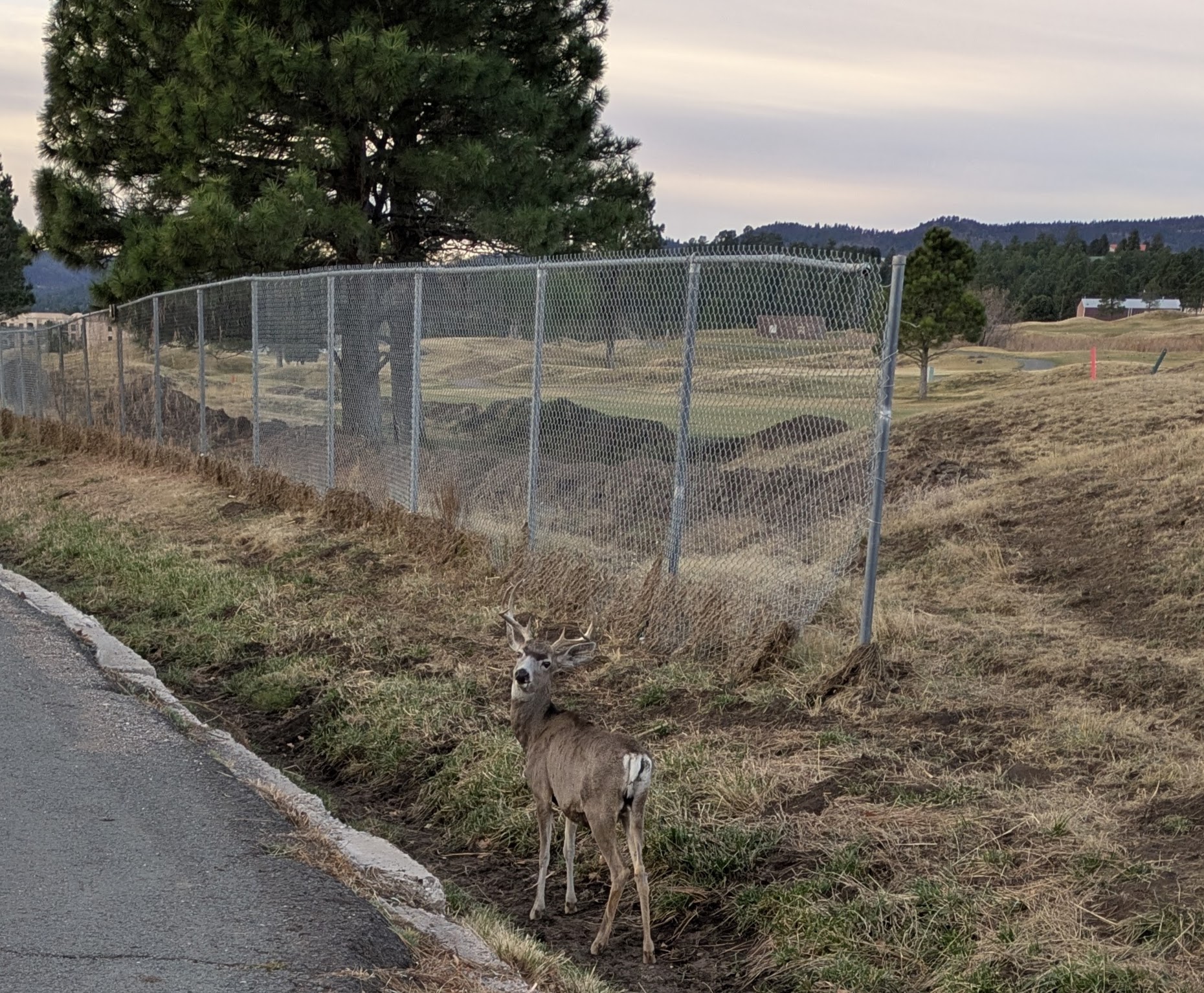
Parts of the US are already experiencing winter weather. It’s important to ensure that loved ones with dementia don’t wander when the weather turns frigid. Each winter, there are cases of those with dementia who fall victim to the elements after wandering from home or a care facility.
My father was a wanderer. His lifelong love of walking had kept him lean, but his desire to move became a liability as his dementia progressed. Dementia takes a physical toll as well, so as Dad became frailer, he was more prone to injuries from falls. While he still lived at home, my mother had to watch him like a hawk. One time, she attempted to take a brief bath, and Dad slipped away. Mom immediately called me, frantic. It was going to be dark soon, and turning colder. In my father’s case, there was a happy ending. Mom called the police who were responsive and tracked my father down not too far from my parents’ condo community. Crisis averted that time.
My father would wander a few more times while he still lived at home, including one infamous time when my mother was in the dentist’s chair. Once he moved to the memory care unit, he was behind a locked door secured by a code. He still wandered, up and down the halls, and outside in the garden area when weather permitted, but at least he was contained to the facility.
It’s such a helpless feeling when a loved one is lost. I’m grateful for first responders and others who helped locate my father when he wandered off.
There are things caregivers can do proactively to reduce the risk of wandering this winter.
Door locks: One of the easiest solutions is to configure your home’s door locks to one in which you lock with a key from the inside. Then keep the key on a chain around your neck or in another inaccessible place from your loved one with dementia. If you prefer a more high-tech solution, you could choose something like a fingerprint lock or one that requires a code. Consider a door chime or bell to signal when one exits the home.
Trackers: I bought one of the earliest renditions of GPS-powered tracking tags for my father, but the device was cumbersome to use at the time and didn’t have good reception in the mountain town where my parents lived. I’m happy to say that such devices have come a long way since then. If high-tech solutions aren’t an option, even a simple ID bracelet or necklace can be helpful. For long-distance caregivers, seek devices that allow you to monitor your loved one’s movements from your phone, which can offer some peace of mind.
Behavior modification: Track your loved one’s wandering episodes. Do they happen at a certain time of day? Sundowning is a common issue for those with dementia, and the longer period of darkness during the winter can exacerbate the issue. My father struggled with bedtime and sometimes would get up in the middle night, change into day clothes, and sit in his chair in the living room until morning. Consider changing up your schedule and finding enjoyable activities to do together during this time period. Talk to the doctor about medication or other therapies.
If your loved one does wander away, try not to panic. Conduct a quick search of the immediate area, and if there’s no sign of the individual, contact authorities. 911 should be able to direct you to any specific community programs for these situations, if they exist in your area, or like in my father’s case, patrol officers handled the situation. Keep a folder on your phone with a recent photo of your loved one, nearby places they may be prone to going to, a list of medical issues and medications, and the contact information for area hospitals.
Thanksgiving was one of my family’s favorite holidays. My father loved the food and my mother enjoyed preparing our small family’s meal. If you are hosting or attending a Thanksgiving dinner with a loved one with dementia, it’s important to consider such an occasion from the perspective of someone with cognitive challenges. By planning ahead, remaining flexible, and adjusting your expectations, you increase the chances of everyone having a good time.
Here are important aspects to consider:
Group setting: How many people will be attending the gathering? Is your loved one with dementia comfortable with large groups or do they become easily overwhelmed? What about children or pets? Some people with dementia light up and become more engaged in the presence of children and pets, others may find their energy overwhelming or irritating.
Sitting at a large table can make it difficult for those with dementia to keep up with multiple conversation streams. One solution could be to have multiple smaller table settings to encourage engagement and reduce distractions.
Dietary needs: Dementia can impact a person’s palate, so don’t be surprised or insulted if old favorites are not greeted with much enthusiasm. If dietary restrictions are a consideration, making a plate instead of self-serve may be the best option. Monitor alcohol intake, especially if your loved one takes medications that may interact with alcohol.
Those in the middle to latter stages of Alzheimer’s and other dementias may begin having problems managing cutlery. Consider cutting up food into bite-sized pieces for ease in eating.
One of the more sensitive and heartbreaking aspects of dementia is when someone who loved to cook loses the ability to safely navigate the kitchen and follow recipes. For those who still want to contribute to the Thanksgiving feast, find kitchen tasks that match their ability level. Remember that it’s about the family spending quality time together even more than the food.
Meal presentation: One thing in common with Thanksgiving dinner spreads is that the table is often loaded with multiple dishes. It can be difficult to know where to start even for someone without dementia! Consider using adaptive dinnerware designed for those with dementia.
If your family is hosting and your loved one is no longer able to cook safely, keep them involved by helping set the table.
Need for quiet time: Be prepared to give your loved one a space where they can decompress if necessary. If you are at someone else’s home, perhaps a guest bedroom or if the weather cooperates, a breath of fresh air on the porch could be ideal. Sometimes, a drive around the block may help re-set one’s mood, and worse case scenario, leaving a gathering early is always an option.
Remain flexible and accept that certain beloved family traditions may need to be revamped. After such a social event, make sure your loved one has plenty of time to rest and recover.
By taking these aspects of holiday meal planning into consideration, loved ones with dementia will continue to feel involved and appreciated. Even those who have diminished verbal skills can soak up the love in the room.












![Pageflex Persona [document: PRS0000038_00069]](https://memoriesproject.files.wordpress.com/2014/02/reluctant-caregiver-cover.jpg)







 The Memories Project