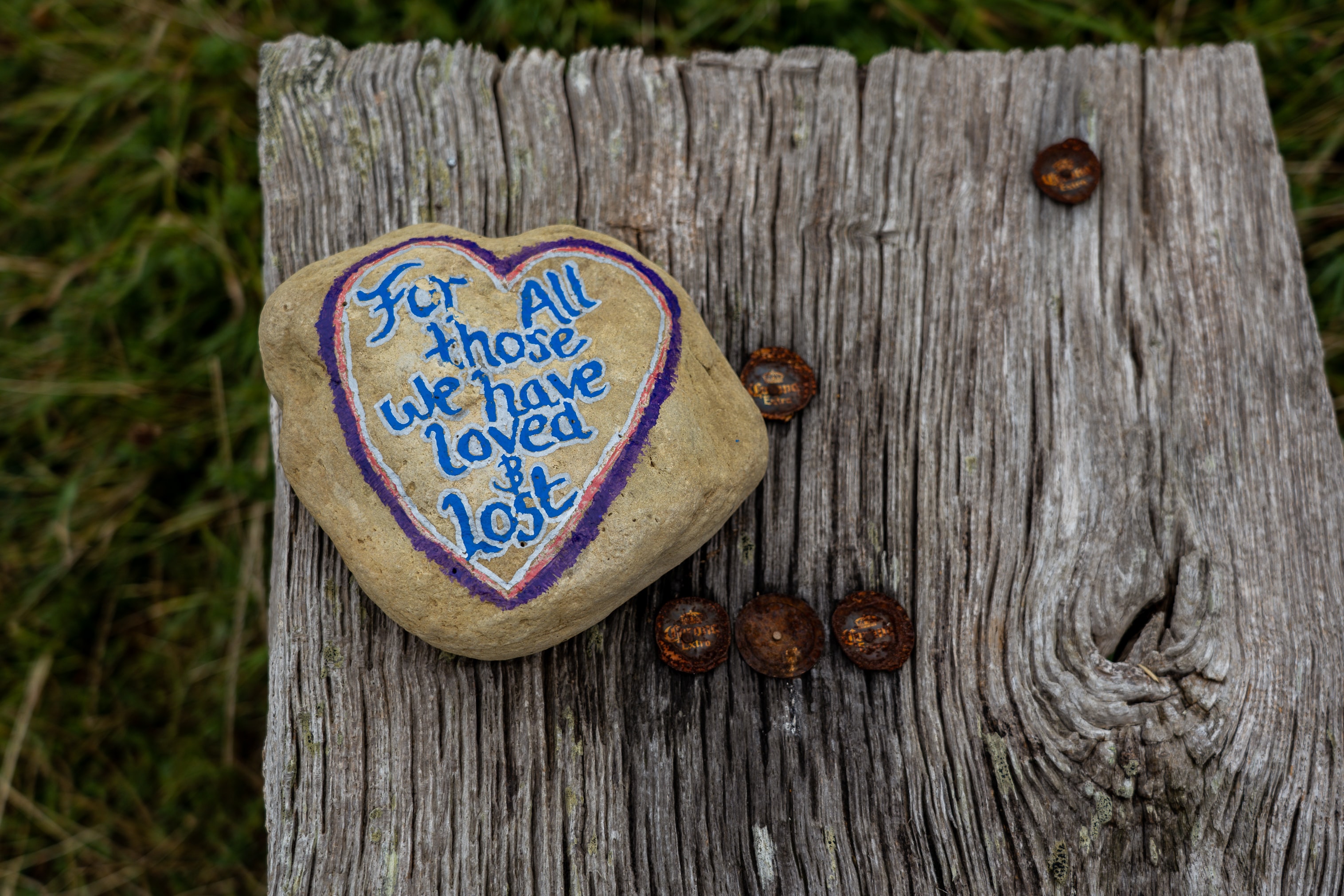
Dr. Lois Tonkin described the growing around grief process in a 1996 article. The concept is that our grief may not feel like it lessens over time, but our lives will grow around that grief.
You can see another visual depiction of this grief model in the TikTok video below. I like the idea that our grief, while sad and heartbreaking, can become the core of something beautiful.
A New York Times article published today discusses a topic near and dear to my heart: the challenges of dying at home.
I have written about this topic extensively, including in my book, The Reluctant Caregiver. I also published an article, “Why dying at home is not all that it’s cracked up to be,” on The Caregiver Space that generated a passionate discussion. Some people thought I was anti-hospice, and that definitely isn’t the case. I think home hospice care, when it’s available in a well-funded and well-staffed form, is a wonderful concept that can support a good death.
But as Paula Span points out in her NYT article, there are challenges and limitations in real-world home hospice care. One issue that I can personally relate to is pain management. My mother suffered because I could not adequately manage her cancer pain at home with the drugs available to me. There was also the battle with her doctor just to get her enrolled in home hospice, which came much too late to be effective.
Caring for the dying at home can be physically strenuous. I struggled to move my mother in bed to change sheets and prevent bedsores. Before she was bedridden, helping her to and from the bathroom was also a challenge. I was a 40-year-old woman in decent shape. But for elder spouses of the dying who may have health issues of their own, it can be overwhelming and untenable.
Palliative care specialists at Harvard Medical School recently published an article in the New England Journal of Medicine suggesting improvements to hospice care, and I agree with their recommendations. For those determined to die at home, it’s essential to have have sufficient home health care services so that families are not overwhelmed. This includes nursing care and personal aide services but also equipment like medical beds. The authors also suggest alternatives that are underutilized, such as inpatient hospice care. This was a suggestion that was made in my father’s case, but there was no bed available at the time of his hospital discharge, so he was sent to a skilled nursing facility instead. We met with the inpatient hospice representative and I appreciated the personal aspect of the care, wanting to get to know him, asking what kind of music he liked, etc. I so wish he could have died in that setting. It’s what I would want for myself.
Hospice units within hospitals is another alternative. This offers access to end-of-life care such as pain management but rooms can be configured to be more home-like by removing unnecessary monitoring machines and having hospice-trained staff provide palliative care. It can be a good alternative in areas without freestanding inpatient hospice facilities.
It’s important to think about these options for yourself and your loved ones now so that you are better prepared to make the best choice for your situation when the time comes.
This year, the Alzheimer’s Association is taking a closer look at Mild Cognitive Impairment (MCI) and encouraging greater awareness and understanding of this condition and its relation to Alzheimer’s disease.
Here are some of the top takeaways:
More than 6 million Americans are living with Alzheimer’s
1 in 3 seniors dies with Alzheimer’s or another dementia
In 2020, COVID-19 contributed to a 17% increase in Alzheimer’s and dementia deaths
More than 11 million Americans provide unpaid care for people with Alzheimer’s or other dementias and in 2021, these caregivers provided more than 16 billion hours of care valued at nearly $272 billion.
Fewer than 1 in 5 Americans are familiar with mild cognitive impairment (MCI), which can be an early stage of Alzheimer’s
About one-third of people with MCI due to Alzheimer’s disease develop dementia within 5 years of diagnosis
I recently had the privilege of writing a blog post for The Conversation Project. My father died 10 years ago and in May, I will be marking seven years since my mother’s death. I’ve had a lot of time to think about end of life issues in the years since their passing and I’ve shared my perspectives here on The Memories Project blog and in my book, The Reluctant Caregiver.
In my post for The Conversation Project, A Good Death Is More about the Journey than the Destination, I discuss my family’s reluctance to talk about death and end of life issues, and how that impacted their end of life journeys, albeit in very different ways. My father’s death impacted how I cared for my mother, when just several months later, she was diagnosed with cancer.
Neither of my parents experienced the kind of death that I would want for myself, and that is why it has become such an important advocacy issue to me. Please talk to your loved ones, discuss your end-of-life wishes and document it all so that you can have some peace of mind when that phase of life is reached. What I wish for everyone is that you can find the time to simply be with your loved ones who are nearing the end of life, and not overly preoccupied with medical care duties. Just like at the beginning of life, it’s important we have those bonding moments at the end of life as well.
Visit The Conversation Project for tips and guides on how to start these important conversations with your own family.
I’ve written before on this blog about having a keen interest in studies that involve dementia, Alzheimer’s and overall cognitive health, while also maintaining a healthy skepticism. This week a preliminary study about how having a pet could benefit cognitive health made the rounds on social media. Those of us who are pet owners know how much love and joy they can bring to our lives. But it’s also important to understand and be able to manage the challenging moments as they age and develop health issues of their own.
The study found that those who had owned pets for five or more years were able to delay cognitive decline by 1.2 points vs. those in the study who did not have pets over a six-year period. The study analyzed cognitive data of more than 1,300 adults age 50 or over. While researchers were only able to establish an association, not a cause and effect with this study, the findings support prior research in this area.
Pets offer loyal companionship and keep us on a routine. Dog ownership encourages daily walks, and regular exercise has been demonstrated to have cognitive benefits. By just being their unique and adorable selves, pets can offer us moments of joy that help relieve stress and lift our spirits. As a society, we should do everything we can to make sure elders and those with health issues have the support they need to keep their beloved pets with them, whether its at home or in a residential facility.
Pets can also present a host of challenges, from behavioral to health issues. I personally have experienced this and dealt with an extended period of sleep deprivation. Researchers believe our quality of sleep, especially in middle age, has an impact upon our cognitive health and that poor sleep may increase our risk of Alzheimer’s and other dementias later in life.
I cannot imagine my life without my pets, but I also accept the considerable responsibility that I have in maintaining their well-being. If you have elder loved ones with pets, check on them to make sure that there are no care issues that need to be addressed.
I came across an interesting discussion recently about whether Ensure and other nutritional beverages marketed towards older people are really the best option.
Despite being a geriatrician, I *don't* like Ensure
It's an expensive chemical milkshake laced w/ empty calories that can cause cavities if not careful
Would you want real food if you drink a heavy milkshake before every meal?
The discussion that followed the geriatrician’s perspective included interesting pros and cons. It made me think about my parents’ experience with the beverages. My father had never been a fan of milkshakes or similar beverages, but he seemed to enjoy the Ensure drinks, so I would ship cases of them to the memory care center where he spent the last year of his life. My mother existed on Ensure for the last month or so of her life. I have regrets about that, wishing I had taken time to make her something that she would have enjoyed more.
This is why I’m such a strong believer in expanding inpatient hospice and providing more robust home hospice care. As the sole caregiver for my mother at the end of her life, things like whipping up something delicious for her to eat didn’t cross my mind because I was so busy focusing on the “important” things, like her pain medication, treating her bedsores, etc. While I managed to mainly keep her suffering to a minimum, there was no joy in her final weeks.
Those with dementia may struggle with solid food as they enter the final stages of the disease, so liquid forms of nutrition may become a necessity. Homemade smoothies, puddings and milkshakes may interest those who have grown tired of the commercial products. If you can, consult with a nutrition specialist or dietitian about tasty, safe options for your loved one. Bringing loved ones small moments of joy can also lift the spirits of family caregivers.
The pandemic’s impact on health goes beyond those who contracted the coronavirus. Even those who managed to avoid the infection may have suffered consequences to their health, and in an area that many take for granted.
In December, I fell while walking my dog. I slipped going down a moderate slope in the park and landed straight on my rump. The fall knocked the wind out of me for a minute, but I was fortunate not to break or sprain anything. My back was very sore and remained so for about a week. I treated it using over-the-counter pain medication and homeopathic balms. My mobility was limited and I was forced to slow down and take it easy, but fortunately I fully recovered and don’t have any lingering issues.
I’m in my late 40s and in decent health. This was a minor fall, but it reminds me that as I get older, recovery from such incidents takes longer. We often take our mobility for granted, but the pandemic may have a lingering impact on our physical conditioning, making us more prone to falls. Studies suggest that some older adults have experienced a decrease in mobility during the pandemic, The New York Times reported.
Those who now work from home full-time may be moving less than when they went into the office, even if they drove to work. Pandemic restrictions may have shut parks, gyms, malls, and other outlets that older people used to exercise. Depression and anxiety can dampen the desire to exercise. Those who did contract COVID-19 may have battled lingering symptoms that made exercise difficult. And those who received benefits from physical and occupational therapy may have not been able to receive those services during the pandemic.
What geriatric health experts are concerned about is that decreased activity levels may result in worse physical functioning, which is key to older adults’ ability to live independently. A fall can lead to a lengthy recovery and trigger a fear of falling again, creating a vicious cycle with significant health consequences. The good news is that we can engage in simple activities that will help us reverse the impacts of our sedentary lifestyle and regain our mobility. Walking, yoga, and tai chi are all great ways to get moving and improve physical functioning.
Take inventory of your mobility and your elder loved ones and make an action plan if you desire to increase your mobility. Taking small steps now can make all the difference in keeping ourselves and our elder loved ones living independently.
As difficult as it can be to find a good nursing home and secure space for your loved one, the challenge doesn’t end there. Dementia caregivers in particular must be aware and be prepared to take action if the nursing home tries to evict your loved one.
So many people are not aware of the amount of nursing home evictions that take place each year in the US and the chaos and stress it causes families. I experienced a form of this when the skilled nursing facility where my father was placed after being discharged by the hospital said it could no longer care for him because they didn’t have staff that could provide dementia care. My father was not able to return home because he could no longer walk and my parents’ condo had stairs. My father was stranded and eventually was placed over an hour-and-a-half away from my parents’ home in the closest facility with a memory care wing.
First-hand account that illustrates the incredible harm caused to older adults and their families when long-term care facilities evict people from their homes. In many cases it’s illegal, but they still get away with it. https://t.co/vkWv93wxzg 1/5
One aspect of the pandemic that could be seen as a benefit to family caregivers is the embrace and expansion of technology that assists with basic tasks in our daily lives. While some of us were already utilizing such services before the pandemic, many others learned the convenience of having groceries delivered to their home, for example.
A sandwich caregiver interviewed by MarketWatch recounted what a major benefit it was to have groceries delivered. She used to spend a good chunk of her day off taking her elder parents to the grocery store. When the pandemic struck, she shifted to grocery delivery and signed up her own family as well. Sometimes it is the simple things that can make all the difference. A caregiver reclaiming a few hours of her life each week can have a major impact on her wellbeing and those in her care.
Of course, there is always a price to pay for that convenience, and I never forget the fact that there is a human being who is picking out my groceries and delivering them, putting their own lives at risk to complete a chore for me. I always make sure to tip well.
Zoom and other video calling tools also exploded in popularity during the pandemic. While some are understandably suffering from Zoom fatigue at this point, for those families who were able to get their elder loved ones comfortable with the technology, video calls served as an important lifeline for those separated during the pandemic. Being able to check in on an elder loved one from afar with a simple video call helped put a family caregiver’s mind at ease. Of course it’s not the same as being able to hug and socialize in person, but for elders who otherwise may have been completely isolated, video calls kept the connection to family intact.
Remote tools, whether for working, socializing, or caregiving, are now receiving greater public interest, which is sparking investments from major technology companies like Amazon, who has developed a caregiving hub called Alexa Together. While there are security, privacy, and ethical concerns when it comes to monitoring technology, overall I think these tools can be helpful for the long-distance caregiver.
From my experience, I found tools such as a cellphone designed for older people, fall-sensing technology, and automated shipping of supplies to be of great help as a long-distance caregiver. As I wrote in my book, The Reluctant Caregiver, I was able to convince my mother, long skeptical of high-tech gadgets, to embrace these tools to help keep her living at home safely, versus having to enter assisted living.
As I grow older, I will be watching this growing field of technology with interest.
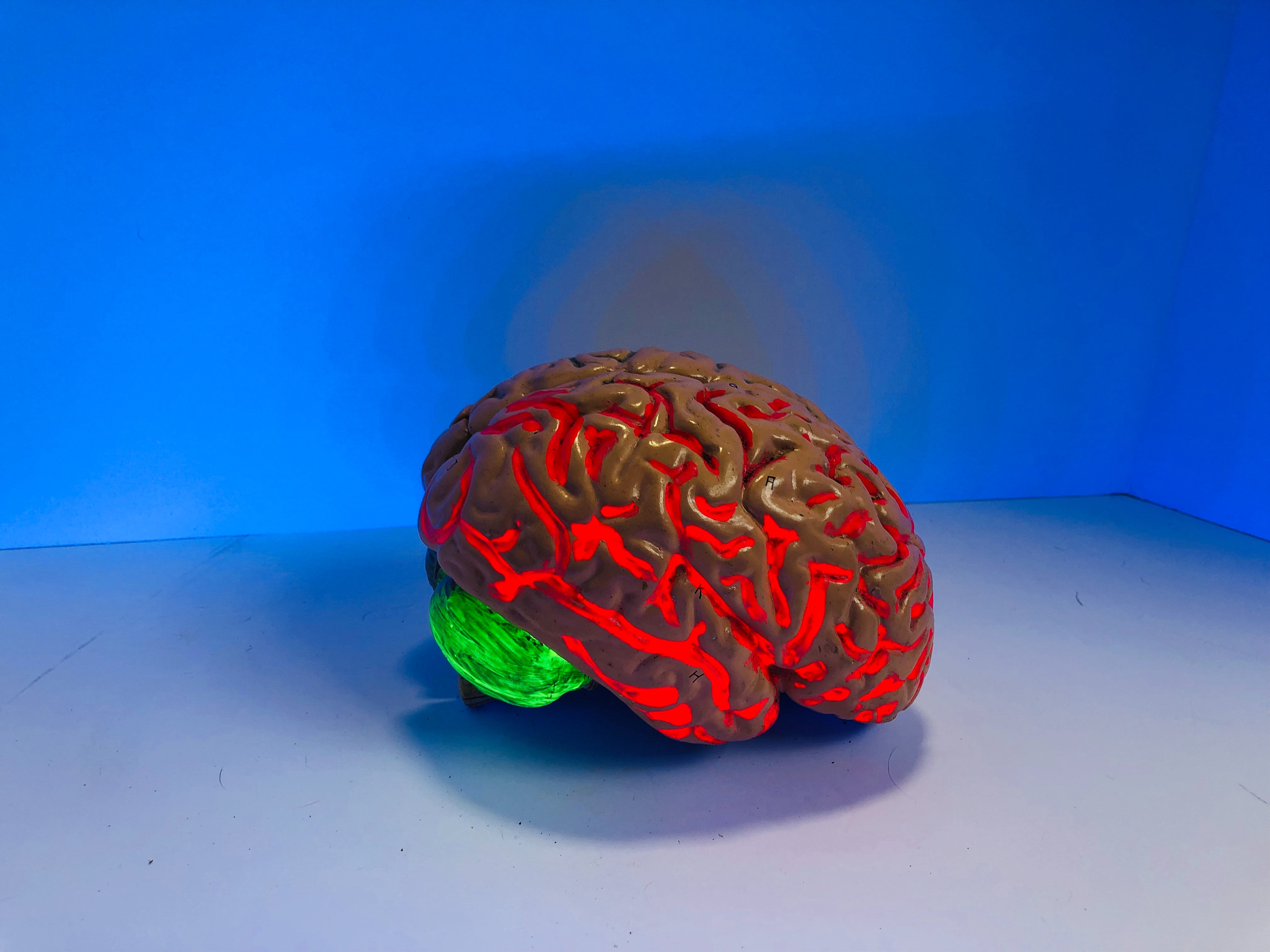
Plaques and tangles in the brain have been a focus of Alzheimer’s researchers and some believe ridding the brain of the buildup will help in treating the disease. Approximately 20 percent of people have plaques detected in the brain, but do not develop dementia, prompting researchers to do a deeper investigation of the tau protein. Their results suggest that a specific presentation of the protein was linked to the development of dementia. The body has an automatic mechanism called autophagy to clear defective proteins from cells, but that process slows as we age, especially for those over the age of 65.
The researchers described the defective tau protein as “trying to put a right-handed glove on your left hand.”
If their preliminary research proves to be correct, there are drugs being tested to improve the autophagy process, which could potentially be used to treat Alzheimer’s disease.






![Pageflex Persona [document: PRS0000038_00069]](https://memoriesproject.files.wordpress.com/2014/02/reluctant-caregiver-cover.jpg)






 The Memories Project