There have been a lot of big announcements from technology companies recently, but one in particular caught my eye this past week: Uber announcing an initiative called Uber Caregiver. What does a ride hail service have to offer caregivers?
Uber has been expanding into other services for awhile. Uber Eats has become a popular restaurant delivery service. That service has expanded to offer groceries as well. Uber Health seeks to bring together these services to serve a specific population that could benefit greatly from them: caregivers and care recipients.
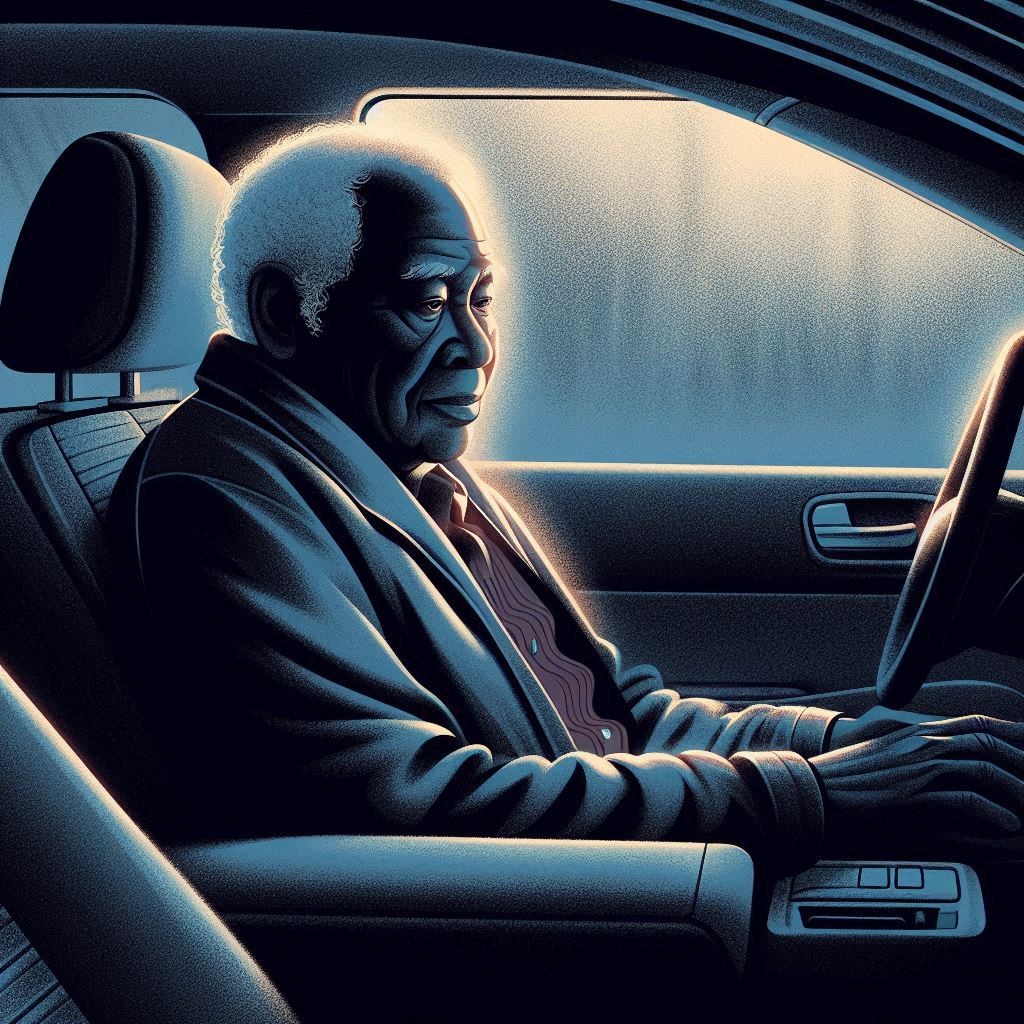
Uber Caregiver will allow a designated caregiver to request rides and order groceries for the care recipient. The caregiver will be able to monitor progress of rides and shopping orders on their own device. This would be beneficial for remote caregivers or those who cannot check in on their loved ones daily. Care recipients could maintain their independence with a reliable service that would transport them safely to doctor’s appointments.
One thing that isn’t clear is if Uber Caregiver drivers will receive any specialized training. That would seem to be critical, whether it’s how to help someone who’s mobility impaired in and out of a car or accommodating clients with cognitive decline. The Uber Caregiver service supports a 3-way chat system so a caregiver can stay in touch throughout the ride and receive a notification when their loved one arrives safely.
Those in rural areas will likely be out of luck, as Uber tends to focus on major cities and suburbs for its service areas. That’s unfortunate, as it’s those in rural areas without other transportation options that would benefit the most from the service. My parents were lucky to have access to a rural shuttle service run by the county, but the service was always being threatened by budget cuts.
Uber claims some healthcare plans will provide benefits towards the service, though it doesn’t provide a list of participating vendors. According to a Today report, those with Medicare Advantage, Medicaid, and eligible employer health insurance plans may find that Uber Caregiver services are covered, though individuals should consult their specific plan providers to confirm.
Uber Caregiver will begin to roll out this summer, with shopping access coming at a later date.
Happy Mother’s Day to mothers of all kinds. I will be holding space for all of us whose mothers are no longer here.
On a related note, congratulations to Katie Engelhart, contributing writer for The New York Times Magazine, who won a Pulitzer Prize for Feature Writing for The Mother Who Changed: A Story of Dementia. With compassion and clarity, she shared this family’s complex and fraught journey with dementia. The piece raises important ethical and moral issues that should be discussed.
In case you missed it, I’m sharing again a poem about my mother that was published by The Prose Poem earlier this year. “Her Lists” is my way of coming to terms with some of my mother’s more eccentric qualities. Below is an example of one of her lists for reference.
Recently, Bloomsbury Publishing released a final message from author and dementia awareness advocate Wendy Mitchell, who died earlier this year. I encourage you to watch the video, in which she so eloquently explains her decision to take agency over the end of her life.
In the video, she speaks so poignantly about those with dementia working so hard to present as “normal” in public and the toll that takes on a person over time. This can apply to other conditions as well, such as depression. We could all learn a lesson here, by being more compassionate when encountering others whose struggles may not be readily apparent on the surface.
Managing caregiving tasks can be difficult even on a normal day, let alone during a severe weather event.
This is my annual reminder to make sure you and your loved ones are prepared for severe weather events. Growing up in California, I learned about earthquake safety both at school and home. When my parents retired to Ruidoso, New Mexico, they learned about the threat of wildfires. In Georgia, I deal with flooding and power outages due to thunderstorms.
Being prepared and having a plan is critical. The American Red Cross offers good tips on preparing for severe weather events. The Alzheimer’s Association offers an emergency preparation resource for those caring for loved ones with dementia.
Keep a printout of important information, such as phone numbers, medical history, prescriptions, etc. in case you lose power and your devices die.
Create a well-stocked first aid kit, personalized for any specific medical needs
Maintain a power source. Keep extra batteries on hand for flashlights and emergency radios. I keep a mobile generator for short-term power outages so that at least I can keep my phone charged. I set a monthly reminder to charge it to make sure it’s fully charged in case of an emergency. It also came with solar panels as an alternative charging option. If you can afford it, a larger generator that can power medical devices could be a life-saving choice.
Create an evacuation plan for loved ones, taking into consideration their medical needs. Make note of local resources that may be able to assist with things like transportation, temporary housing, etc.
Don’t forget about the pets. Loved ones may be reluctant to leave their home if they think they will have to leave their pets behind. Research pet-friendly shelters and hotels.
Make sure everyone understands their role in a severe weather event, from care recipients, to hands-on caregivers to long distance caregivers. Communication is key.
Have a plan in place if your loved one’s home is destroyed by a severe weather event.
A new study suggests that the type of work on does over the course of their life could impact their risk of cognitive decline and dementia.
The study, published in Neurology, tracked and analyzed the health and occupational data for 7,000 Norwegians over a roughly 30-year period. The individual’s occupation was categorized by researchers based upon its cognitive demand: for example, a factory worker’s repetitive tasks vs a doctor’s more complex duties. Teacher was the most common occupation in the higher cognitive demand category.
The study found that those with routine jobs were linked to a 66% higher risk of mild cognitive impairment and a 37% greater risk of dementia compared to those with jobs that were more cognitively demanding. As has been found in other studies, higher education offers a cognitive health protective benefit, offsetting some of the negative impact from repetitive jobs.
My father worked as a freight checker most of his life, a physical, blue-collar job that was repetitive in nature. In his later years, he worked as a security guard, which offered little mental stimulation. While my father didn’t have a lot of formal education as an adult, he was self-taught in areas he cared deeply about by being a voracious reader. He read deeply complex topics such as war strategy.
While the study’s findings are interesting, people have lives beyond their career choice. Some people may choose a routine job to pay the bills, so they can save their energy for hobbies such as playing a musical instrument or chess. My job requires a great deal of data analysis, and I also enjoy word puzzles and jigsaw puzzles.
We know that dementia can strike anyone, regardless of occupation. It makes sense to engage in mentally stimulating activity on a routine basis, whether it’s at work or a hobby.
A short film by the UK-based Alzheimer’s Society has generated a wide range of strong emotions from those with dementia and their families. In addition to the original video campaign embedded above, there is also an extended cut version and a profile of a couple who faced a heartbreaking FTD diagnosis.
The crux of the criticism comes from the film’s fatalistic point of view, framing dementia as a series of deaths that occur when a person loses the ability to do something they loved or remember something fundamental to their life, such as remembering their child’s name. With these series of “deaths”, one will need an organization for support, which is where the Alzheimer’s Society says it will be there for families impacted by dementia again and again.
George Rook, a patient activist living with dementia, has posted his eloquent rebuke of the film on his blog. It’s garnered a lot of support within the dementia community, and he has since written more posts related to the film that I encourage you to read.
The Guardian also wrote a column about the controversy, with the columnist agreeing that the film is uncomfortable to watch and concluding that “the advert went too far, but that one of the many issues with the public discourse about dementia is that it can be overly sanitised.”
Below is the Twitter/X post from the Alzheimer’s Society which I’m including so you can read the replies. As you can see, the video sparked a passionate discussion from those living with dementia who felt personally offended that they were being portrayed as the living dead when in fact they are living with dementia reasonably well.
In the Alzheimer’s Society response to the video’s controversy, it states the need for a societal wake-up call when it comes to dementia. It’s the leading cause of death in the UK and according to the organization, only 10 percent of people are aware of that sobering fact. I know I was not aware of that statistic.
If you’ve read my book, The Reluctant Caregiver, I think you’ll know my take on the film. While I can understand some may find the tone of the film harsh, I do agree with the need for a wake-up call. That’s why I wrote about the difficult moments in my caregiving experience, even if that has led to some reviews that the book is depressing.
In the US in particular, the financial impact of dementia is something many people are woefully unprepared for as they think Medicare will cover expenses. People don’t fully appreciate the challenges of living in place nor are they prepared for the astronomical cost of memory care. As for the “series of deaths” a person with dementia may experience, there is a real sense of loss when the disease takes away people’s abilities and aspects of their personality. As I wrote in my book, it did feel like an imposter had taken over my dad’s body. When he looked my mother straight in the eye and asked where she was by name, the heartbreak I experienced was worse than when I viewed his body in the morgue.
My mother dealt with the brunt of my father’s dementia. From what my mother, the eternal optimist, told me, there were not many good days. I’m sure she didn’t even share all of the horrific moments, though some she couldn’t hide, like when my father punched my mother in the jaw as she tried to get him ready for bed.
Once he was heavily drugged in the memory care center, his aimless shuffling through the hallways with the lost, vacant stare in his eyes did make him seem like a zombie in some ways. I know some people may find that portrayal offensive, but that was my honest reaction at the time.
I’m encouraged by those with dementia who continue to lead rewarding lives, and if I get the dreaded disease one day I hope I will follow their example. Unfortunately, that was not my family’s experience with the disease. It not only had a dire financial impact but I’m also convinced that the toll of caring for my father played some role in my mother ignoring her own health issues and being diagnosed with stage III colon cancer just six months after his death. I live alone and don’t have children, so for those of us without a support network, thriving with dementia may be a challenge.
We live in polarizing times when we refuse to recognize that multiple things can be true at once. There are some people living well with dementia, and maybe that should be the focus of the Alzheimer’s Society’s next awareness campaign. Kudos to these people and we should all be working towards the goal of improved treatments and better support resources so that living well with dementia becomes the norm and not the exception. But there are also those whose lives, and their family’s lives, are devastated by dementia. Those stories should not be buried because they make some people uncomfortable.
Each person with Alzheimer’s or another form of dementia will experience the disease in their own unique way. So will their families. We should encourage those from across the spectrum of dementia experiences to share their stories, the good, the bad, and the ugly.
The 2024 Alzheimer’s Disease Facts and Figures has been released by the Alzheimer’s Association. One major fact that jumped out to me was the topline figure. For years, it’s been over 6 million people in America are living with Alzheimer’s. Now we are at the 7 million threshold.
Here are other major takeaways from the report:
1 in 3 seniors dies with Alzheimer’s or another dementia.
Alzheimer’s kills more people than breast cancer and prostate cancer combined.
Between 2000 and 2021, deaths from Alzheimer’s have increased by 141 percent.
In 2024, Alzheimer’s and other dementias will cost the US $360 billion.
That cost would have been even higher if it hadn’t been for the over 11 million Americans who provided unpaid care to people with Alzheimer’s and other dementias.
Changes in speech and word recall can be among the earlier signs of cognitive decline. We’ve all experienced this, no matter what the age: “It’s on the tip of my tongue!” While not always a precursor to Alzheimer’s or other forms of dementia, it’s important to recognize changes and talk to your doctor about them.
A recent study, albeit with a small sample size of 125 people, shed new light on what is a frustrating yet common complaint among older adults: difficulty in finding words. Among the findings: “Overall reaction time for word retrieval (controlling for psychomotor slowing) was the best predictor of spontaneous WFD (word finding difficulty) and executive function decline, suggesting processing speed as the key factor, and that verbal reaction time may be an important clinical measure.”
AI software was used to extract data such as speech speed, word variety and pauses in speech, according to The Conversation report. The study participants also completed a series of tasks designed to gauge executive function ability, and the results found a link between age-related decline in executive task ability and speech pace.
The findings are interesting but of course more research will be needed with a larger study group. If confirmed, the findings could help in forming more accurate tests for cognitive decline.
Former talk show host Wendy Williams recently revealed that she has been diagnosed with primary progressive aphasia and frontotemporal dementia (FTD). The update on her medical condition was provided as a new documentary about Williams and her whereabouts since leaving her talk show aired and generated a great deal of controversy.
I watched the documentary, “Where is Wendy Williams?” and while it was difficult to watch her cognitive struggles, a lot of people got an eye-opening education on the varied forms of dementia. While Alzheimer’s has moved more into the public awareness in recent years, dementia variants like FTD are less known and understood. For those who think dementia is just “memory loss” witnessing the symptoms Williams displayed, combined with the aphasia, should raise awareness of the distinct symptoms that dementia variants can present.
FTD can trigger personality-driven changes, with erratic behavior and mood swings. For the former radio personality and talk show host, aphasia is a particularly cruel diagnosis, as it impacts speech and language skills. All of these symptoms are on display in the documentary, further aggravated because of Williams self-medicating with alcohol. Williams was previously diagnosed with Graves’ disease and lymphedema.
The documentary also puts a spotlight on court-appointed guardianships, and how a system supposedly designed to protect the vulnerable can isolate the person and cause further harm. The Williams family feels cut off from providing care for their struggling family member, while those in Williams orbit approved by the guardian seem not equipped to handle such a complex case. There is also the challenge of convincing a loved one that they need help, which is something many families dealing with dementia are all too familiar with.
Actor Bruce Willis has also been diagnosed with FTD and aphasia. I’m grateful that both celebrities have chosen to go public with their dual diagnosis, as it will help raise awareness and hopefully funding for these conditions.
I was saddened to learn that Wendy Mitchell, who so generously and insightfully shared her experience living with dementia through her blog and books, died this week. However, I take solace in knowing that Mitchell left this world in a way that honored the agency she still had over her own life.
I mostly knew Mitchell through her blog, Which me am I today? The blog’s title captures the dementia experience so well. I enjoyed the photos she shared from her sunrise walks, which included gorgeous skies as well as a variety of birds and other animals. Mitchell was dedicated to her nature walks, writing that the “miracle of nature would thin the glue in my head and bring me alive again.” Mitchell shared the full spectrum of the dementia experience, demonstrating that memory impairment does not prevent those with dementia from continuing to feel a wide range of emotions, maintaining a sense of humor, and achieving new milestones.
At the same time, Mitchell was clear-eyed about what the end of the dementia journey looks like for many people, and she was determined to not have her life end that way. She had been making her end of life plans for awhile, consulting with family and getting their blessing. Because assisted dying isn’t a legal option in the UK, Mitchell planned to travel to Switzerland and utilize the services available at Dignitas. But a recent fall in which she spent a week in the hospital derailed those plans. With her mobility limited, Mitchell chose to stop eating and drinking. You can read Mitchell’s final blog post which goes into detail about her decision process. I encourage you to read it, even if you disagree with her choice.
For the record, I support assisted dying and would consider that option for myself. I think it’s a decision for an individual, in consultation with family members, medical providers and spiritual advisers to make, NOT government officials.
Mitchell shared on her blog what she hoped to accomplish by sharing her dementia journey: “What I want is not sympathy. What I want is simply to raise awareness.” Mission accomplished.
This is Sarah and Gemma, Wendy’s daughters. Our mum died peacefully early this morning. She wrote a blog post before she died so you can read about it from her perspective. Sarah and Gemmahttps://t.co/PgQCUFKK6H