Recently I had the pleasure of being a guest on the Caregiver SOS podcast. We discussed the financial impact of caregiving, and I shared my own insights from caring for my parents.
The “p” word really is the key word here. We discussed how to prepare financially before a family healthcare crisis strikes. This is a topic that I feel is vital to discuss as a family and I’m grateful for the opportunity to share my story.
You can find Caregiver SOS on your favorite digital audio platform, or via the WellMed Charitable Foundation website.
For more caregiver tips, check out my Caregiver Product Recommendations page, with a list of products that I used while caring for my parents.
As an Amazon Associate I earn from qualifying purchases.
ICYMI: I’m participating in the Smashwords Summer/Winter sale. Get the e-book version of my award-wining collection of personal essays, The Reluctant Caregiver, for half-off (just 99 cents!) during the entire month of July. Enter the code SSW50 at checkout.
Mom would have been 87 today. While Mom and I were opposites in many ways, I did gain an appreciation of music from her. She loved her Martin guitar and it survived several moves with her. She taught me to play a bit when I was a kid; it kept me occupied over those long, hot summers in California. After she died, the guitar was one of the mementos that I cherished the most, so it’s now in my home. I’ve attempted to play it again sporadically, and hope one day I can dedicate enough time to be able to play casually again.
I also inherited an appreciation of a wide range of music from my mother. She loved listening to everything from Mozart and Beethoven to Johnny Cash and Willie Nelson. She even tried to appreciate the music I loved growing up, and the music video craze of the 1980s. I think Cyndi Lauper was probably her favorite, because she was so fun and colorful.
Mom would be proud knowing I was still sharing our family caregiving story with others. You can listen to my appearance on the Caregiver SOS podcast on Spotify or your preferred podcast hosting service. I’ll write more about the appearance in my next post.
A reminder: I’m participating in the Smashwords Summer/Winter sale. Get the e-book version of my award-wining collection of personal essays, The Reluctant Caregiver, for half-off (just 99 cents!) during the entire month of July. Enter the code SSW50 at checkout.
Check out my summer book recommendations for caregivers for even more books to help you on your caregiving journey.
As an Amazon Associate I earn from qualifying purchases.
It has been sweltering in Atlanta for the past month, and summer just began. When it’s too hot to be outside for long, I’m going to turn to one of my favorite pastimes that often gets pushed to the side: reading. I read all day as part of my job, but reading for pleasure is something that I wish I did more. My Kindle is full of books I haven’t started yet, and I have plenty more on my wish list. Reading is something that makes me feel close to my dad, and I feel I inherited my love of books from him.
I could write a book about the many amazing books available for dementia caregivers, but here are my top recommendations:
I’m honored to have “At the Crossroads,” a poem about my father, included in Poetry for the Dementia Journey: An AlzAuthors poetry Anthology. This new collection was published in June and is available on Amazon. Check out AlzAuthors for a large and impressive library of books that inform and support dementia caregivers.
I’m participating in the Smashwords Summer/Winter sale. Get the e-book version of my award-wining collection of personal essays, The Reluctant Caregiver, for half-off (just 99 cents!) during the entire month of July. Enter the code SSW50 at checkout.
If you’d like to honor the memory of dementia awareness advocate Wendy Mitchell, who died earlier this year, consider one of her books. One Last Thing is aptly titled as her final work. Somebody I Used to Know is her best known and highly acclaimed book.
Finally, another shameless plug: Chicken Soup for the Soul: Living with Alzheimer’s and Other Dementiasis a wonderful collection that captures the highs and lows of the dementia caregiving journey. I’m honored to have a story about my father, “French Toast,” included in this edition.
What books are on your summer reading list?
For more suggestions beyond books, check out my Caregiver Product Recommendations page, with a list of products that I used while caring for my parents.
As an Amazon Associate I earn from qualifying purchases.
Summer officially began this week, but here in Atlanta, the heat arrived a month ago. Summer here is brutal and unrelenting and requires one to plan outdoor activities carefully. Humidity brings another level of misery and danger to summer heat waves. Beyond the standard temperature and heat index readings, it’s important to take into consideration heat and humidity with a more accurate measurement such as the wet bulb temperature; check out the readings for major cities.
Whether it’s the broiling triple digit temperatures out west or the oppressive humidity of the south, summer creates multiple challenges for caregivers. Keeping elder loved ones safe both indoors and out during the summer months requires smart planning.
Before a heat wave, check on your elder loved ones and make sure their homes have adequate cooling options. Keep in mind that elders on a tight budget may be reluctant to turn on the air conditioner, but that ill-advised decision could cost them their lives. Energy-efficient air conditioners are now available. Smart thermostats can help you monitor the temperature remotely and adjust if necessary.
Battery-powered handheld fans can offer a mobile form of relief both indoors and outdoors. I find that even with air conditioning, a tabletop fan helps keep the air moving in upper floor bedrooms, where it can get stuffy quickly. In milder climates, such as where my parents lived, oscillating fans may be sufficient to keep rooms comfortable.
Outdoor safety during the summer is multifaceted. Elders are more susceptible to heat, but spending time outdoors for short periods can offer important health benefits. Timing is key: aim for outdoor time in the early morning or in the evening after the sun goes down. For those who garden, wearing protective clothing and a hat is important, as is staying hydrated and taking breaks. These neck fans can help one cool down quickly when doing outdoor activities.
During summer heat waves, staying hydrated is essential. I witnessed my mother suffer the consequences of dehydration and the symptoms resembled dementia. From my experience, it can be difficult to encourage older people and those with dementia to drink enough fluids. These Stanley water bottles come with convenient handles and some models include built-in straws for ease in sipping. For outdoor adventures during the summer, carry hydration drink mix pouches such as Liquid I.V. which offer a quick electrolyte boost.
Mosquitoes aren’t just annoying, but can carry West Nile Virus, which can be deadly in older people. Consider a mosquito repellent device in addition to citronella candles, mosquito-repellent plants and clothing to keep loved ones safe while enjoying their home’s outdoor spaces.
I hope these suggestions help you plan for safe and enjoyable time outdoors this summer with your elder loved ones.
Imagine finding yourself homeless after sacrificing to care for a loved one. According to a recent NPR report, the tragic scenario is not that uncommon.
A person may need to move in with the care recipient if they are the primary caregiver and may not be able to maintain a job if needed for caregiver duties around the clock. In certain states, a family caregiver may receive a small family caregiver subsidy. This doesn’t replace a full-time income, but between a care recipient’s funds (such as disability or social security) and the caregiver subsidy, a person may be able to make ends meet. But once the care recipient dies, those benefits disappear, leaving the caregiver in a precarious financial situation.
If the care recipient rented their home, then a caregiver may find themselves having to move out quickly. Even if the care recipient owned their home, unless specific arrangements were outlined in a will or other legally binding document, the caregiver will have to negotiate with family members regarding living arrangements.
What may get overlooked is a caregiver’s own health issues and how long it can take time to restart one’s life, especially in the midst of active grieving. Those who were already living paycheck to paycheck may struggle to secure full-time employment upon re-entering the job market and the housing market in major cities is skyrocketing in price and running low on inventory. Any social services benefits that a caregiver seeks may take months to become active. This can lead to outcomes that otherwise they would never have imagined, such as homelessness.
A family medical crisis often happen with little to no notice. I encourage everyone to think about what they would do in such a situation, and make a plan on how to address financial and housing issues.
A poem I wrote about my father, is included in the collection. “At the Crossroads” is about the week I spent with my father in a hospital in Albuquerque in the last month of his life. He was in a medically induced coma so I spent many long hours looking out the window of his room.
I’ve found that beyond personal essays, writing poems about my caregiving experiences has been healing for me. Writing poems encourages me to distill memories using concise language and experiment with perspective and voice.
I had a chance to review an early copy of the book and was so moved by the poems people wrote about the dementia experience, from a myriad of perspectives.
To celebrate the launch of the collection, AlzAuthors is hosting a reading on Monday, June 3 at 4 p.m. ET. I’ll be participating, so I hope to see you there. If you are not able to attend live, the session will be recorded. You can access the Zoom link here..
CNN’s Dr. Sanjay Gupta has reported on Alzheimer’s and other dementias over the years, but recently he became the subject as he explored his own dementia risk, knowing his family history with the disease. The takeaways were enlightening, though it may be some time before such tests are widely available to the general public and covered by insurance.
Gupta is not an ordinary patient; he is a brain surgeon. Yet in his report he shares his surprise about what he learned about his own brain during a “preventative neurology” visit at the Institute for Neurodegenerative Diseases of Florida. While there he went through a battery of tests: blood, saliva to check oral health, genetic testing for the APOE4 gene, body composition, and a series of cognitive tests. In regards to the intense series of cognitive tests, Gupta said, “I felt like my brain was being cross-examined by a very skilled prosecutor.”
Dr. Richard Isaacson conducted the tests on Gupta and came to some interesting conclusions. He said the results suggested Gupta may have undiagnosed dyslexia. He also found a gene mutation that could explain low B12 levels, and suggested that Gupta take supplements to boost his Omega 3 levels. Gupta was surprised to learn about his elevated body inflammation. Isaacson also made recommendations when it comes to Gupta’s exercise regimen.
Of course, the cost of all of these tests aren’t affordable for the average person at this time. To his credit, Isaacson is working on a method to do many of these tests at home for free or at a reasonable cost. I just did a finger prick cholesterol test at home and it was simple and affordable, so I would definitely be interested in similar tests for Alzheimer’s risk. My cholesterol is a bit elevated and as discussed in the CNN report, there is believed to be a connection between high cholesterol and cognitive decline risk, so I’m taking steps to address that, as I know I carry a copy of the APOE4 gene so my Alzheimer’s risk is already elevated.
Not everyone wants to know their dementia risk, and while I think it should be a personal choice, I’m definitely in the camp of wanting as much data as possible. My dad had high cholesterol and took steps to alter his diet, but if he’d known his Alzheimer’s risk, would he have quit smoking sooner? Would it have made a difference? That’s impossible to say, but if there are simple things I can do to reduce my dementia risk, I’m open to considering the recommendations.
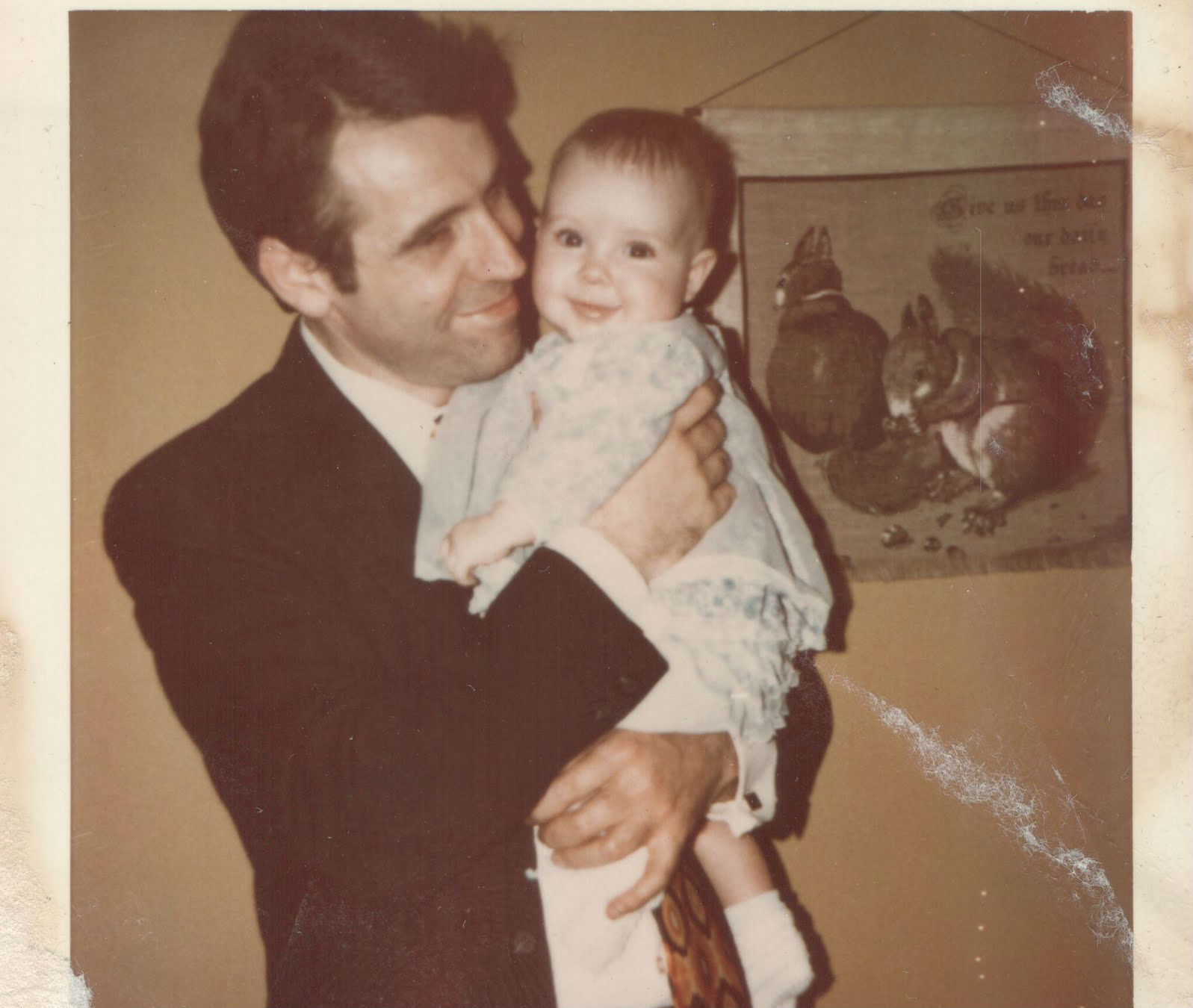
Today marks nine years since my mother died. In ways it feels like a lifetime ago, with all that has happened across the globe over the last several years. Mom picked a good time to depart as she would have hated to see so so much strife and rage in the world.
Yet I can still feel the raw emotions from the day of her passing. Grief isn’t a wound that heals but a new path in life you learn to navigate.
There have been a lot of big announcements from technology companies recently, but one in particular caught my eye this past week: Uber announcing an initiative called Uber Caregiver. What does a ride hail service have to offer caregivers?
Uber has been expanding into other services for awhile. Uber Eats has become a popular restaurant delivery service. That service has expanded to offer groceries as well. Uber Health seeks to bring together these services to serve a specific population that could benefit greatly from them: caregivers and care recipients.
Uber Caregiver will allow a designated caregiver to request rides and order groceries for the care recipient. The caregiver will be able to monitor progress of rides and shopping orders on their own device. This would be beneficial for remote caregivers or those who cannot check in on their loved ones daily. Care recipients could maintain their independence with a reliable service that would transport them safely to doctor’s appointments.
One thing that isn’t clear is if Uber Caregiver drivers will receive any specialized training. That would seem to be critical, whether it’s how to help someone who’s mobility impaired in and out of a car or accommodating clients with cognitive decline. The Uber Caregiver service supports a 3-way chat system so a caregiver can stay in touch throughout the ride and receive a notification when their loved one arrives safely.
Those in rural areas will likely be out of luck, as Uber tends to focus on major cities and suburbs for its service areas. That’s unfortunate, as it’s those in rural areas without other transportation options that would benefit the most from the service. My parents were lucky to have access to a rural shuttle service run by the county, but the service was always being threatened by budget cuts.
Uber claims some healthcare plans will provide benefits towards the service, though it doesn’t provide a list of participating vendors. According to a Today report, those with Medicare Advantage, Medicaid, and eligible employer health insurance plans may find that Uber Caregiver services are covered, though individuals should consult their specific plan providers to confirm.
Uber Caregiver will begin to roll out this summer, with shopping access coming at a later date.






![Pageflex Persona [document: PRS0000038_00069]](https://memoriesproject.files.wordpress.com/2014/02/reluctant-caregiver-cover.jpg)







 The Memories Project