There is more interesting research going on in the world of Alzheimer’s. Scientists are examining whether the brain’s infrastructure plays a role in a person’s risk of developing Alzheimer’s. A damaged vascular system in the brain could develop cognitive performance issues, akin to an aging power grid that struggles to deliver power to a city, according to the research discussed in this Stanford Medicine Scope blog post.
In looking at a genetic atlas of the brain, researchers found that the “majority of the top Alzheimer’s risk genes are significantly expressed in the [brain’s] vasculature.” If you want to do a deep dive into the research, take a look at the study published in Nature.
The new technology used to create a genetic atlas and the accompanying discoveries give Alzheimer’s researchers new avenues to explore. No cause and effect has been established yet between brain vascular damage and Alzheimer’s risk, but there will now be additional research conducted to examine this area.
What could this mean for potential treatment of Alzheimer’s disease down the road? According to the Tony Wyss-Coray, who runs the lab where the research was conducted, treatments that could target the brain’s vascular system may be more easily accessible as the blood-brain barrier presents a challenge when it comes to getting drugs into the brain.
I’ve written before on this blog about having a keen interest in studies that involve dementia, Alzheimer’s and overall cognitive health, while also maintaining a healthy skepticism. This week a preliminary study about how having a pet could benefit cognitive health made the rounds on social media. Those of us who are pet owners know how much love and joy they can bring to our lives. But it’s also important to understand and be able to manage the challenging moments as they age and develop health issues of their own.
The study found that those who had owned pets for five or more years were able to delay cognitive decline by 1.2 points vs. those in the study who did not have pets over a six-year period. The study analyzed cognitive data of more than 1,300 adults age 50 or over. While researchers were only able to establish an association, not a cause and effect with this study, the findings support prior research in this area.
Pets offer loyal companionship and keep us on a routine. Dog ownership encourages daily walks, and regular exercise has been demonstrated to have cognitive benefits. By just being their unique and adorable selves, pets can offer us moments of joy that help relieve stress and lift our spirits. As a society, we should do everything we can to make sure elders and those with health issues have the support they need to keep their beloved pets with them, whether its at home or in a residential facility.
Pets can also present a host of challenges, from behavioral to health issues. I personally have experienced this and dealt with an extended period of sleep deprivation. Researchers believe our quality of sleep, especially in middle age, has an impact upon our cognitive health and that poor sleep may increase our risk of Alzheimer’s and other dementias later in life.
I cannot imagine my life without my pets, but I also accept the considerable responsibility that I have in maintaining their well-being. If you have elder loved ones with pets, check on them to make sure that there are no care issues that need to be addressed.
I came across an interesting discussion recently about whether Ensure and other nutritional beverages marketed towards older people are really the best option.
Despite being a geriatrician, I *don't* like Ensure
It's an expensive chemical milkshake laced w/ empty calories that can cause cavities if not careful
Would you want real food if you drink a heavy milkshake before every meal?
The discussion that followed the geriatrician’s perspective included interesting pros and cons. It made me think about my parents’ experience with the beverages. My father had never been a fan of milkshakes or similar beverages, but he seemed to enjoy the Ensure drinks, so I would ship cases of them to the memory care center where he spent the last year of his life. My mother existed on Ensure for the last month or so of her life. I have regrets about that, wishing I had taken time to make her something that she would have enjoyed more.
This is why I’m such a strong believer in expanding inpatient hospice and providing more robust home hospice care. As the sole caregiver for my mother at the end of her life, things like whipping up something delicious for her to eat didn’t cross my mind because I was so busy focusing on the “important” things, like her pain medication, treating her bedsores, etc. While I managed to mainly keep her suffering to a minimum, there was no joy in her final weeks.
Those with dementia may struggle with solid food as they enter the final stages of the disease, so liquid forms of nutrition may become a necessity. Homemade smoothies, puddings and milkshakes may interest those who have grown tired of the commercial products. If you can, consult with a nutrition specialist or dietitian about tasty, safe options for your loved one. Bringing loved ones small moments of joy can also lift the spirits of family caregivers.
As difficult as it can be to find a good nursing home and secure space for your loved one, the challenge doesn’t end there. Dementia caregivers in particular must be aware and be prepared to take action if the nursing home tries to evict your loved one.
So many people are not aware of the amount of nursing home evictions that take place each year in the US and the chaos and stress it causes families. I experienced a form of this when the skilled nursing facility where my father was placed after being discharged by the hospital said it could no longer care for him because they didn’t have staff that could provide dementia care. My father was not able to return home because he could no longer walk and my parents’ condo had stairs. My father was stranded and eventually was placed over an hour-and-a-half away from my parents’ home in the closest facility with a memory care wing.
First-hand account that illustrates the incredible harm caused to older adults and their families when long-term care facilities evict people from their homes. In many cases it’s illegal, but they still get away with it. https://t.co/vkWv93wxzg 1/5
It has been 10 years since my father’s death. So much has happened in the past decade, but I’ll never forget where I was when my mother called with the worst news of my life, in the middle of the newsroom at the Atlanta Journal-Constitution. I had been waiting for that awful call for quite some time, and some part of me wished for it, because it pained me so much to see my father suffering in the late stages of dementia. But of course there was no immediate sense of relief upon my father’s passing, just sadness and regret.
I do still carry feelings of regret and guilt to this very day, and probably always will. I discuss this at length in The Reluctant Caregiver, and urge others not to judge themselves too harshly. In that spirit, I am taking a look back on what my father inspired me to do over the last decade.
I began this blog, The Memories Project. What began as a way to document memories of my father and process my grief has become the foundation of my dementia and caregiver advocacy platform. I have also met so many fellow caregivers through the blog and am grateful for their wisdom and their support.
I wrote a book, which was a life goal of mine. My collection of personal essays on family caregiving, The Reluctant Caregiver, won a gold medal at the IPPY Awards. An essay from that collection won the Rick Bragg Prize for Nonfiction from the Atlanta Writers Club. A story I wrote about my father, “French Toast,” was included in the Chicken Soup for the Soul: Living with Alzheimer’s and Other Dementias collection. I know my dad, a lifelong lover of books, would be proud.
I finally made it to Ireland and visited my father’s hometown of Belfast, Northern Ireland. This was at the top of my bucket list and has been one of the best experiences of my life.
The privilege of sharing my father’s story through a variety of outlets, including NPR, AlzAuthors, Caring Across Generations and the Aging in America conference.
The decade since my father’s death has been the most difficult of my life, but also the most rewarding. I hope that you can take time this holiday season to recognize and reflect upon the highs amidst the lows of your own caregiving journey. Give yourself the grace that you deserve.
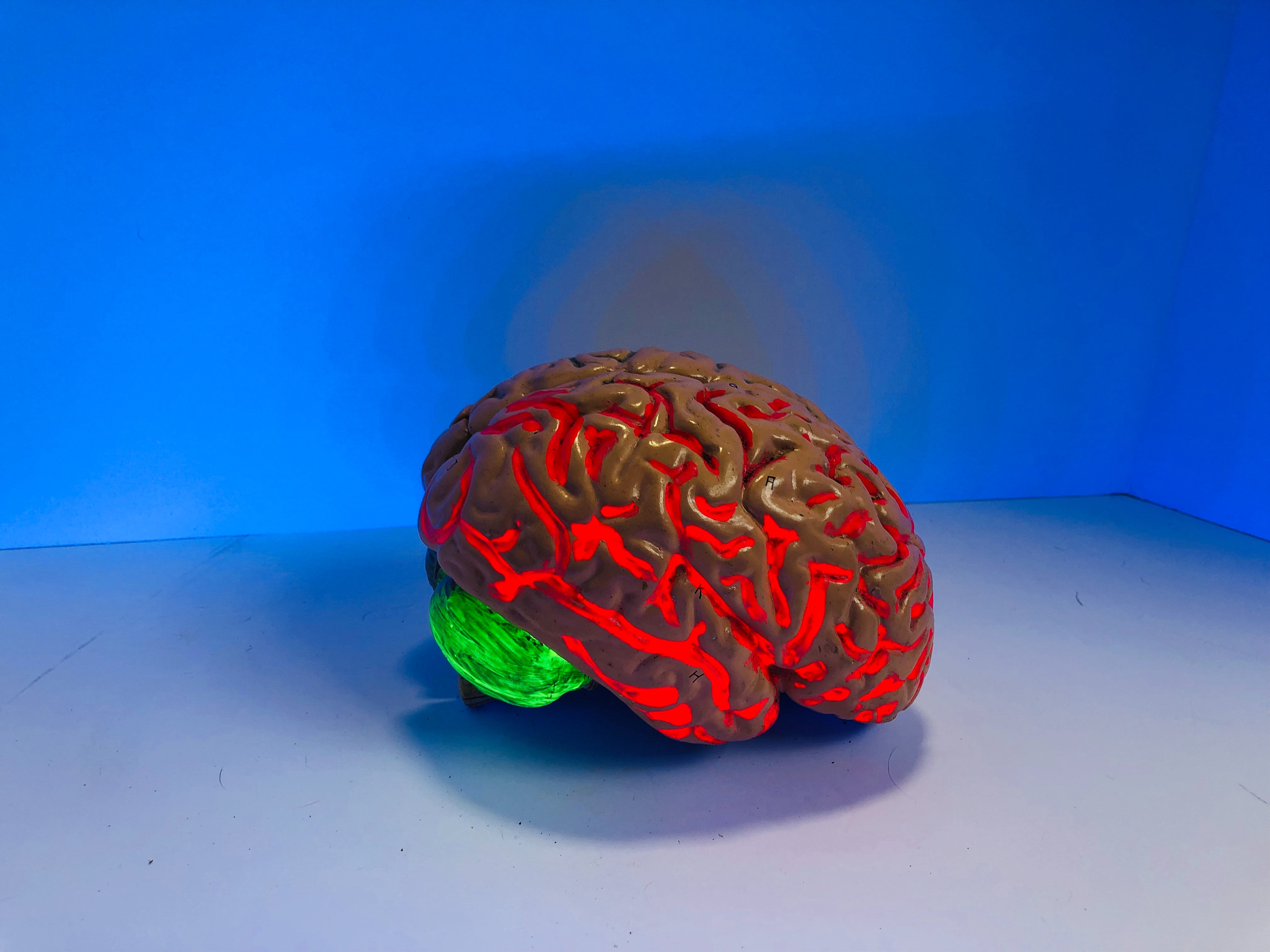
Plaques and tangles in the brain have been a focus of Alzheimer’s researchers and some believe ridding the brain of the buildup will help in treating the disease. Approximately 20 percent of people have plaques detected in the brain, but do not develop dementia, prompting researchers to do a deeper investigation of the tau protein. Their results suggest that a specific presentation of the protein was linked to the development of dementia. The body has an automatic mechanism called autophagy to clear defective proteins from cells, but that process slows as we age, especially for those over the age of 65.
The researchers described the defective tau protein as “trying to put a right-handed glove on your left hand.”
If their preliminary research proves to be correct, there are drugs being tested to improve the autophagy process, which could potentially be used to treat Alzheimer’s disease.
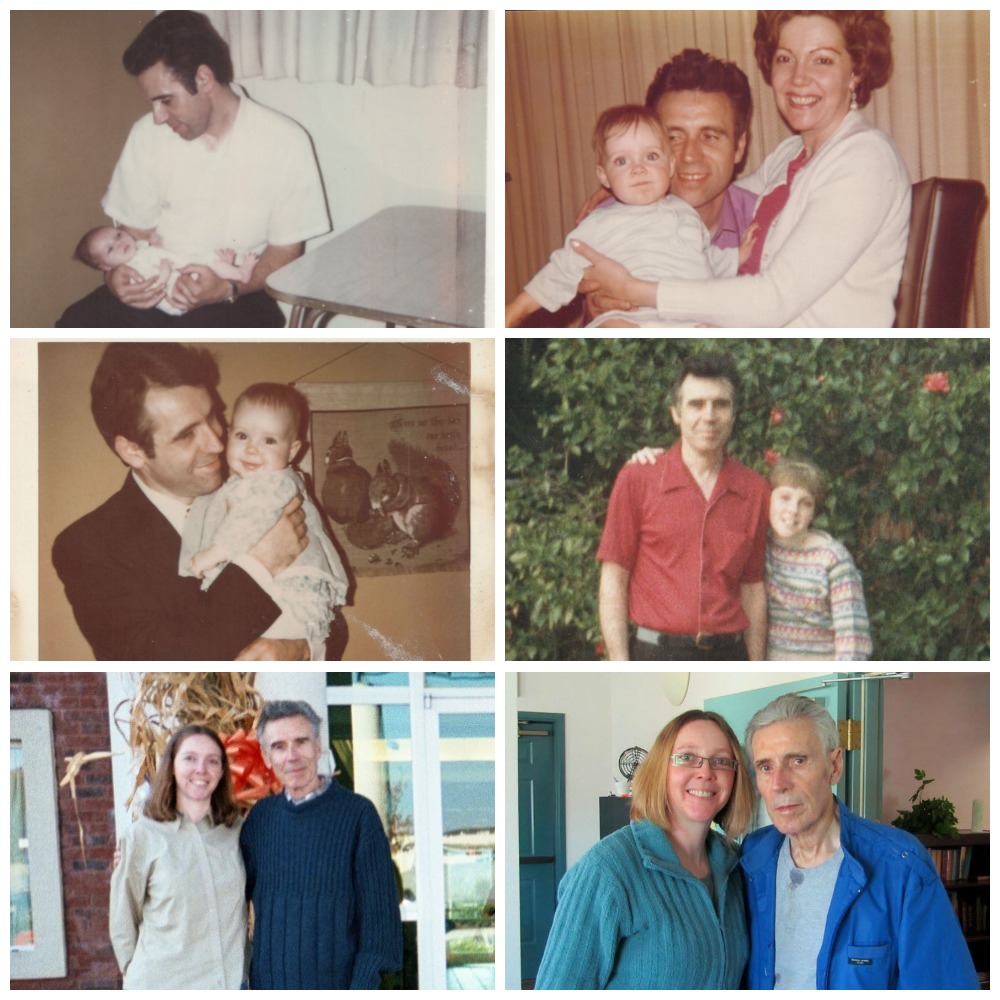
My father and Aunt Peggy on her wedding day, 1956.
I received a letter from my Uncle Jim this week, updating me on how my Aunt Peggy is doing. She is my father’s youngest sister and has dementia. My father’s side of the family has been decimated by the disease and Peggy has been living with the disease for years. Jim has been an amazing caregiver to her and patient in navigating the choppy waves the disease presents. She is doing as well as can be expected, and is able to take advantage of resources offered by Australia’s stellar healthcare system.
A few years ago, I sent Jim a copy of Chicken Soup for the Soul: Living with Alzheimer’s and other Dementias. A story of mine about my father, French Toast, is included in the collection, but I also thought Jim might appreciate the wealth of information that was shared by the dozens of dementia caregivers who contributed to the collection. In his recent letter, he mentioned the book and the information I shared about my father’s struggles with swallowing in the end stage of the disease. He thanked me for sharing the information and how it had been helpful while caring for Peggy.
Caregiving can feel very isolating. When caring for someone with dementia, that isolation can feel even greater, as friends and sometimes even other family members maintain a distance, not sure how to help or struggling to accept the diagnosis. But in those moments you might be learning something that, when shared with others, can make their caregiving lives easier.
Don’t be afraid to share the lessons you have learned on your caregiving journey. Knowledge is a precious gift and what we learn from fellow caregivers can be more meaningful than what we learn in books.
Most of us think we have more time than we actually do … So many times, after my mom passed, I wished I’d asked her about this person or that event. – Stacy Monson
So true! The Memories Project began as a way to honor my father and the further I went in documenting my father’s stories, the more I realized I was missing important details. That is why I urge everyone to ask your loved ones to recount their life stories and anything else they want to share. It’s so easy now, literally a tap on a smartphone button, and you can record these precious memories.
Read the blog post along with a great list of questions to get you started by clicking the link below:
When we are actively caregiving, it can sometimes feel as no one cares or no one understands what we are going through. As a former family caregiver, I now dedicate my time to not only telling my caregiving story, but learning about other caregiver’s journeys. This week I was blessed with two opportunities to share my story.
I’m a proud member of AlzAuthors, and this week I am the featured guest on the group’s excellent podcast series, Untangling Alzheimer’s & Dementia. If you are looking for a support as a caregiver, I encourage you to check out the podcast as well as the bookstore which offers books about dementia covering a wide range of topics and genres. I’m honored to have my book, The Reluctant Caregiver, included in this collection.
I also did an interview that is featured on Bella’s Blog, part of the Joe & Bella’s retail website. The company describes itself as “a one-stop shopping site for older adults and those who care for them.” The store sells everything from adaptive clothing to safety and mobility items and bathing supplies, all thoughtfully curated by aging and caregiving experts. The first of my two-part interview was posted this week. I discuss the details surrounding my father’s dementia journey and how it impacted the entire family. Use the discount code “Joy” to get 10% off your first purchase at Joe & Bella.
It’s important that family caregivers hear stories from others who have gone through a similar situation. It helps one feel less isolated and can help empower those who are struggling. I’m always grateful to share my caregiving story, but the most rewarding part for me is connecting with others through their own caregiving experiences. We have so much to learn from each other.
A recent New York Times investigation may be a revelation to some, but not to family caregivers who have loved ones in nursing homes, especially memory care centers. The investigation found that at least 21 percent of nursing home residents are on antipsychotic drugs. “Chemical restraints” have become a convenient method to reduce the hands-on care needed for those with dementia in nursing homes which are chronically understaffed. Savvy (and/or devious) nursing home operators and doctors have found workarounds to circumvent the weak government regulations that attempt to curb this dangerous practice.
This is an issue near and dear to my heart. I’ve written about my father’s experience in a memory care center during the last year of his life. He was given Risperidone, a drug typically given to adolescents with schizophrenia. It turned my father into a zombie and made him unsteady, causing several falls which resulted in ER visits. To add insult to injury, my family was left with owing thousands of dollars for medications used to inappropriately sedate my father.
Here is what I wrote about my dad’s experience with the drug:
I remember the indifferent attitude the doctor at the local hospital had when I questioned the use of Risperdal, which was already controversial even while my dad was still alive. The doctor just shrugged his shoulders and said they had to continue prescribing what the doctor from the nursing home had ordered. He asked me if I knew what it was for and I responded “to make patients like zombies so they’re easier for the nursing home staff to deal with” and the doctor agreed with a laugh. I did not find it funny at all.
Johnson & Johnson paid over $2 billion in fines to settle charges levied by the government that they promoted off-label use of the drug to elderly patients with dementia and even provided kickbacks to doctors and nursing home operators. The massive fine didn’t hinder the practice. The drugs of choice are now Haldol and Depakote, according to the New York Times investigation. Doctors are adding a diagnosis of schizophrenia to nursing home residents with dementia to get around government regulations. Haldol is used to treat schizophrenia and therefore doesn’t have to be included in the mandatory reporting of antipsychotic use that nursing homes must provide to the government.
The underlying problem to the overmedicating of nursing home residents with dementia is staffing shortages. If facilities were adequately staffed and had special training in how to care for those with dementia, the need to sedate residents would be alleviated. Families aren’t going bankrupt just so there loved ones can be turned into zombies through chemical restraints. Nursing home operators get access to medications that a family doctor would likely balk out if a family caregiver asked for it to manage their loved one at home. The government’s response continues to be insufficient.
My advice is that if you have a loved one in a memory care center, review their medication list on a monthly basis. If you are not comfortable with your loved one being on a particular medication or you witness alarming changes in your loved one’s physical or mental state, speak up. If you are looking to move your loved one with dementia into a memory care center, ask about their use of off-label medications. Ask that they seek your permission before prescribing such drugs. We must advocate for our loved ones to be treated humanely and not as an experiment to sedate into submission.







![Pageflex Persona [document: PRS0000038_00069]](https://memoriesproject.files.wordpress.com/2014/02/reluctant-caregiver-cover.jpg)






 The Memories Project