Tag Archives: Alzheimer’s

2024 Alzheimer’s Disease Facts and Figures

The 2024 Alzheimer’s Disease Facts and Figures has been released by the Alzheimer’s Association. One major fact that jumped out to me was the topline figure. For years, it’s been over 6 million people in America are living with Alzheimer’s. Now we are at the 7 million threshold.

Here are other major takeaways from the report:

  • 1 in 3 seniors dies with Alzheimer’s or another dementia.
  • Alzheimer’s kills more people than breast cancer and prostate cancer combined.
  • Between 2000 and 2021, deaths from Alzheimer’s have increased by 141 percent.
  • In 2024, Alzheimer’s and other dementias will cost the US $360 billion.
  • That cost would have been even higher if it hadn’t been for the over 11 million Americans who provided unpaid care to people with Alzheimer’s and other dementias.

You can review the entire report at https://www.alz.org/alzheimers-dementia/facts-figures.

Check out my dementia caregiver product recommendations. As an Amazon Associate I earn from qualifying purchases.

2 Comments

Filed under Awareness & Activism

New study sheds new light on cognitive decline’s impact on speech functions

Changes in speech and word recall can be among the earlier signs of cognitive decline. We’ve all experienced this, no matter what the age: “It’s on the tip of my tongue!” While not always a precursor to Alzheimer’s or other forms of dementia, it’s important to recognize changes and talk to your doctor about them.

A recent study, albeit with a small sample size of 125 people, shed new light on what is a frustrating yet common complaint among older adults: difficulty in finding words. Among the findings: “Overall reaction time for word retrieval (controlling for psychomotor slowing) was the best predictor of spontaneous WFD (word finding difficulty) and executive function decline, suggesting processing speed as the key factor, and that verbal reaction time may be an important clinical measure.”

AI software was used to extract data such as speech speed, word variety and pauses in speech, according to The Conversation report. The study participants also completed a series of tasks designed to gauge executive function ability, and the results found a link between age-related decline in executive task ability and speech pace.

The findings are interesting but of course more research will be needed with a larger study group. If confirmed, the findings could help in forming more accurate tests for cognitive decline.

Image created by Microsoft Copilot.

Leave a comment

Filed under Awareness & Activism

Controversial Alzheimer’s drug Aduhelm to be discontinued by Biogen

The rocky road that the Alzheimer’s drug Aduhelm experienced on its way to FDA approval was considered a hard-fought victory by proponents, but skeptics and critics may feel redeemed as Biogen announced Jan. 31 that it will discontinue production and research of the controversial drug.

Biogen’s announcement to abandon Aduhelm comes just two and a half years after the drug received accelerated approval from the FDA in 2021. The Alzheimer’s Association and other advocacy groups had urged the FDA to approve Aduhelm despite underwhelming benefits demonstrated in trials and concerning side effects such as brain bleeds and swelling associated with a condition known as ARIA. A congressional investigation found that the FDA’s approval process of Aduhelm was “rife with irregularities.”

While a disappointing outcome, there will be minimal impact, as Aduhelm was only being used by approximately 2,500 patients worldwide, according to NBC News. Why such a low number? The high cost (initially set at $56,000 annually by Biogen), Medicare’s hesitancy to cover treatment, and the intravenous delivery requirement were significant roadblocks.

In its response to the news, the Alzheimer’s Association said that Aduhelm gave hope to millions and helped pave the way for new medications to treat the disease, such as Leqembi, which has been approved by the FDA and remains on the market.

The frustrating and disappointing journey of Aduhelm should be viewed as a cautionary tale for all of us who yearn for a legitimate, effective treatment for Alzheimer’s and other dementias. The pharmaceutical industry responsible for developing innovative treatments are driven by profit and the demands of investors. The FDA’s questionable approval process of Aduhelm also didn’t appear to put patient safety first. At least four deaths were reported among those taking Aduhelm, though it was unclear if the drug played any role.

As I wrote at the time of the FDA’s accelerated approval of Aduhelm “It has been a long wait, and that is why the drug’s approval has been met with a mixture of hope and skepticism.” When it comes to future treatments for Alzheimer’s, take time to do your own research, talk to your doctor, and take a realistic look at the pros and cons to make an informed decision.

3 Comments

Filed under Awareness & Activism

Accessible writing for those with dementia can benefit us all

Dementia can make many daily tasks difficult, if not impossible. One of those tasks is reading. My father was an avid reader throughout his life so as his dementia progressed, his one true hobby and passion in life was rudely stolen from him.

Reading skills are necessary to navigate daily life beyond reading for pleasure. Being able to interpret signs, recipes, instruction manuals, etc. all take various levels of reading comprehension. Is there a way to write that can make it easier for those with dementia to comprehend?

Innovations in Dementia has released new guidelines on accessible writing for people with dementia. It’s an insightful and useful manual offering real world examples and explaining the whys behind the recommendations. It’s written with a good dose of humor, which is hard to do with a style guide! Everything from font choice and size to page layout and navigation and word choice are covered in the manual.

Researchers found through surveys that many of the recommendations on how to make writing clearer for those with dementia were also useful for those without dementia. The guide points out some similarities in reading challenges for those with dementia and those with dyslexia. Many of us find ourselves increasingly distracted and overwhelmed by the information flooding our minds on a daily basis. If you are familiar with the concept of “smart brevity” that powers the concise writing style used by Axios, you may see some similarities with the clear and direct writing style recommended in the writing for those with dementia guide.

Recently I read a book, Writing for Busy Readers, that I found insightful in how we can all improve our written communication to express ourselves more clearly and be understood by others. From corporate boardrooms to schools, there are opportunities each day to express ourselves more effectively.

Communicating in a way that is more accessible to those with dementia could benefit us all.

As an Amazon Associate I earn from qualifying purchases.

2 Comments

Filed under Awareness & Activism

Can robots help those with dementia engage with past and present?

Social robots have been met with an understandable level of skepticism by elder care advocates. Can generative AI take such technology to the next level? A recent Wired article highlighted interesting developments in this field. Instead of focusing on robots substituting for human companionship or serving as a virtual caretaker, a group of researchers are developing robots “for the soul.”

One group that is being targeted for this technology designed to spark sensations and experiences are those with dementia, with technology meeting them where they are, whether that is surreal or relived memories. One example cited in the article is a robot playing birdsong that prompts an introverted woman with dementia to mimic a bird and speak about her love of birds. Another product that has been created is a pillow with panels that can be personalized to one’s life experience. When a panel is touched, a familiar sound is played. For example, if I was programming this for my father I would include a rendition of Danny Boy, my father’s favorite song. I might include the sounds of a ship, because my father loved ships.

Most of the article focuses on the development of QT, a chatty robot being tested at a memory care center. The technology has a ways to go, but one of the interesting developments is how the robot can spark conversations between residents and visitors. Encouraging such interactions can have a positive impact on all involved.

While I don’t envision a flood of robots caring for the elder population anytime soon, assistive technology is rapidly developing. Fall detection products are commonplace now, and proved to be an essential tool when caring for my mother. Smart, connected devices like the Amazon Echo Show and the Alexa Emergency Assist service keep busy caregivers connected to their elder loved ones, allowing them to monitor virtually. These products provide long-distance caregivers like I was with some peace of mind.

As an Amazon Associate I earn from qualifying purchases.

1 Comment

Filed under Awareness & Activism

Keeping your loved ones with dementia warm and safe during winter weather

The new year has started off with a blast of winter weather that is impacting a large portion of the U.S. The frigid temperatures are a sobering reminder to take special precautions if you are caring for someone with dementia.

Each year, cases are reported of those with dementia wandering away from home and dying from exposure during the winter. My dad was a dementia wanderer, so these tragic cases hit close to home for me. There are several things to keep in mind when caring for loved ones with dementia on top of normal winter weather safety tips.

Creative Carer had a Facebook post this past week that offered excellent tips on how she kept her mother warm and comfortable during the winter. Some tips to keep in mind:

  • Depending upon the stage of the disease, your loved one may not be able to accurately communicate if they are comfortable temperature-wise. It’s important to be hands-on and monitor for signs of discomfort.
  • As Creative Carer points out, pay special attention to the extremities during cold weather.
  • Think about smart layers. A fidget blanket could serve dual purposes, by occupying restless hands while keeping the body warm. Be cautious about bundling with too many layers of clothes, as it could make it difficult to use the restroom and restrict movement.
  • When severe winter weather limits outdoor activities, make plans to keep loved ones occupied indoors. Restlessness can lead to wandering attempts.
  • Don’t forget about bath time and take extra precautious to keep your loved one warm and comfortable.
  • Knowing your loved one’s preferences before they developed dementia can serve as a guide to maintaining comfort even once they become non-verbal. My father didn’t like things around his neck, as it made him feel like he was being strangled, so scarves would not have been a good choice for him. However, Dad liked wearing hats, so that would have been acceptable.

I hope you and your loved ones stay safe during this winter season.

2 Comments

Filed under Awareness & Activism

New year, new opportunities for caregivers

Happy New Year! I hope you and your loved ones had a good holiday season. While we enter another year fraught with tension on many fronts, one way to harness anxiety is by focusing on positive actions you can take to make a difference.

Such actions can come in many forms. Maybe this is the year you finally join a caregiver support group. It’s an election year so perhaps you join forces with a group like Caring Across Generations and their campaign for paid leave for family caregivers. Have you thought about your end-of-life care wishes and do you know the wishes of your loved ones? Make it a priority this year to document these choices in a form that’s legal where you reside.

Perhaps you or a family member have been diagnosed with Alzheimer’s disease or another form of dementia and you are seeking trusted information. Consider an excellent community resource like AlzAuthors, where you can read books from dementia caregivers, medical professionals, and those who are living with dementia. That includes my award-winning book, The Reluctant Caregiver.

If you’d like to get involved in Alzheimer’s research, explore the Alzheimer’s Association TrialMatch. On that note, the Center for Information and Study on Clinical Research Participation (CISCRP) is seeking individuals age 65+ living in the U.S. diagnosed with mild Alzheimer’s and/or their caregivers to participate in a virtual interview project. Note that CISCRP is not recruiting volunteers for a clinical trial, but rather to learn from patients how to best create a clinical trial that addresses the unique needs of individuals with Alzheimer’s. For more information about the interview project, please contact research associate Madeline Heaney at mheaney@ciscrp.org or call 617-725-2750 ext. 416.

Leave a comment

Filed under Awareness & Activism

Marking 12 years since Dad’s death

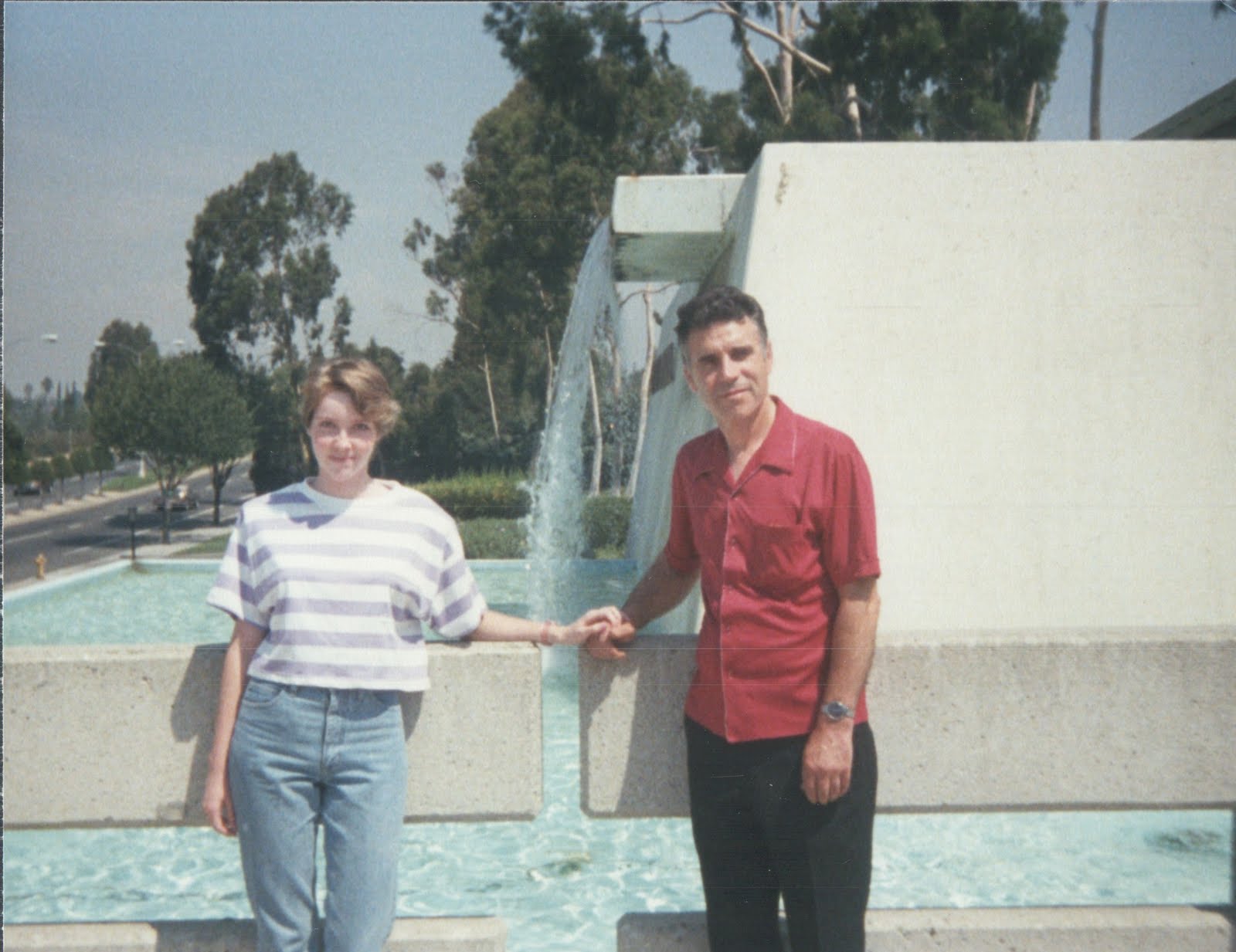
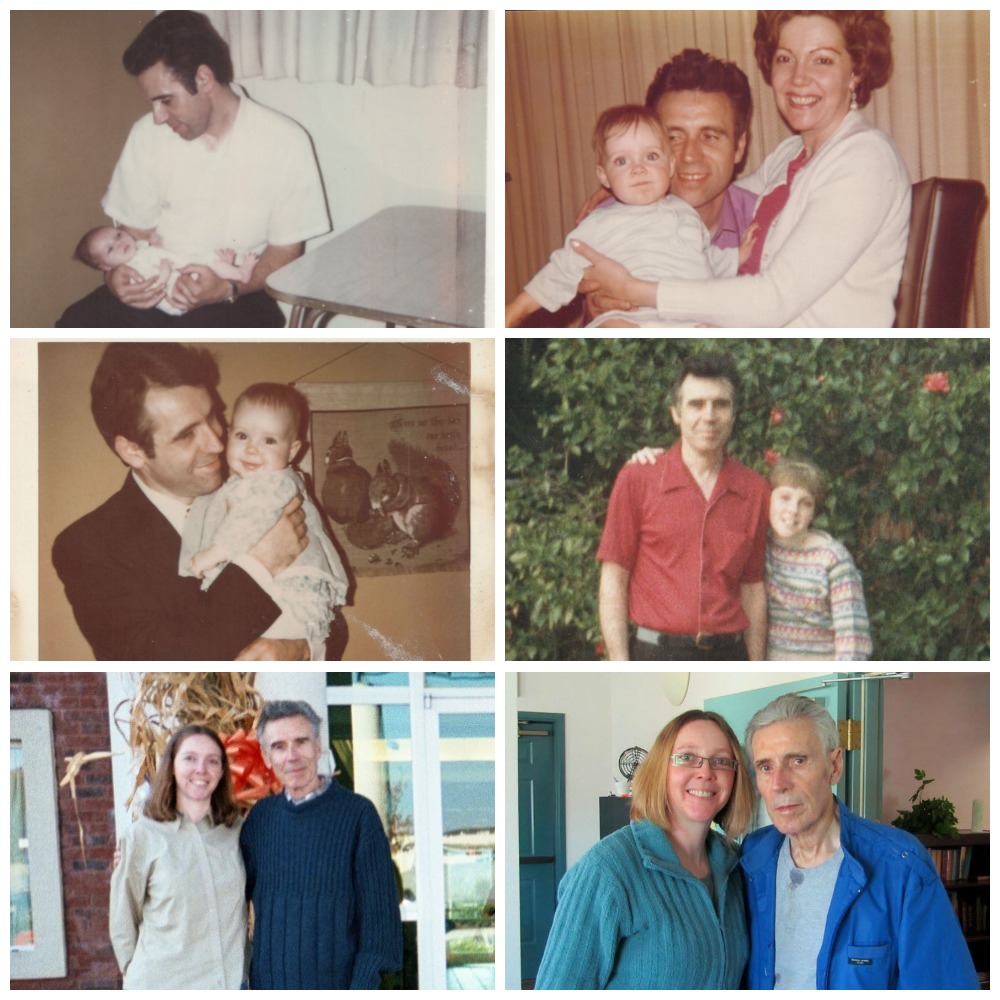
Today marks 12 years since my father died.

The years following his death have been tough, both on a personal and global level. I am grateful for having found such an amazing community of dementia caregivers and advocates who are tirelessly working to gain better resources and support. No one welcomes a diagnosis of Alzheimer’s or other forms of dementia, but my family’s experience has opened my eyes to challenges in our health care system that I otherwise would not have known about.

I began The Memories Project blog in honor of my father and will continue to advocate for better dementia care treatment and family caregiver support.

Leave a comment

Filed under Memories

Wine, Women, and Dementia a candid and moving caregiver documentary

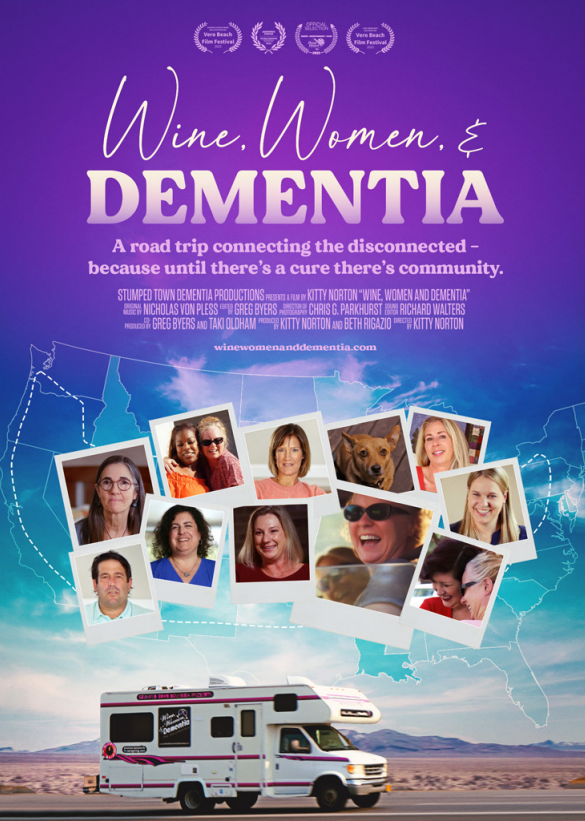
Recently I had the chance to see the documentary, “Wine, Women, and Dementia.” The film was made by Kitty Norton, who quit her job to care of her mother who had dementia. Norton documented the roller coaster ride of family caregiving with her sister, creating a popular blog, Stumped Town Dementia, and sharing videos of the sometimes hilarious, sometimes tragic moments involved in being a dementia caregiver.

Through her blog, Norton built an online community which offered each other support and advice as they experienced their own caregiving journeys. In the documentary, Norton travels across the country to visit these caregivers and learn more about them. The result is a brutally honest, moving and in certain moments, hilarious documentary.

The candid tone of the documentary aligns with my own experience and approach to caregiving, as I captured in my book, The Reluctant Caregiver and as I share here on The Memories Project. If you’ve seen the film and would like to check out my book, you can grab a free copy through December 15, 2023 via this Prolific Works giveaway.

By not shying away from the difficult moments, we better prepare caregivers for the future. I also appreciate the value of online communities that the film highlights. While the internet can seem overloaded with toxic behavior, if you look in the right places, you can find good people like those included in this film who have build a supportive caregiver community.

You can visit the Wine, Women, and Dementia website for details on upcoming screenings.

3 Comments

Filed under Awareness & Activism

Marking National Family Caregivers Month and National Alzheimer’s Month

November is both National Family Caregivers Month and National Alzheimer’s Month. The National Family Caregivers Month theme for 2023 per Caregiver Action Network is is #CaregiversConnect. Visit the CAN website for resources on how you can connect with other caregivers and caregiver support services.

In honor of National Alzheimer’s Month, I’d like to share a giveaway from AlzAuthors. During the month of November, while supplies last, you can receive a free audiobook, “Alzheimer’s and Dementia Caregiving Stories: 58 authors share their inspiring personal experiences” to those in the US and UK and a free copy of the e-book version, which is available to readers around the world. Visit the AlzAuthors website for more details.

I’d like to share this message from AlzAuthors in support of all caregivers. I know I struggled as a family caregiver by constantly being in doing mode. Respite can be difficult to secure and self-care is often relegated to a low priority, but even moments of pause can make a difference.

Leave a comment

Filed under Awareness & Activism