Tag Archives: caregivers

Deaths of Gene Hackman and wife sad reminder of the risk of a spouse-caregiver dying first

Image of Santa Fe via Pixabay.

The unusual circumstances surrounding the deaths of actor Gene Hackman and his wife serve as a stark reminder of what can happen when a spouse who also is the primary caregiver of a spouse with Alzheimer’s dies before their loved one.

Hackman and his wife, Betsy Arakawa, who at 65 was 30 years his junior, were found deceased in their secluded Santa Fe, New Mexico home on Feb. 26. A pest control worker alerted security for the gated community in which the couple lived after showing up to provide service but not receiving a response, KRQE reported. Upon investigating, the security officer found the bodies and contacted authorities.

Embed from Getty Images

An autopsy revealed that Arakawa died of hantavirus pulmonary syndrome around Feb. 11, KRQE reported. Since my parents retired to New Mexico, I was aware of hantavirus, which is rare, with most cases appearing in the southwestern part of the U.S.

Hackman, 95, died of heart disease with complications of what the medical examiner noted as an “advanced state of Alzheimer’s disease.” He’s believed to have died on Feb. 18, when the last activity on his pacemaker was recorded. That means authorities believe Hackman could have spent up to a week alive after his wife died. We will likely never know the details of those days, and whether Hackman realized his wife was deceased or whether Hackman’s cognitive decline may have prevented him from understanding the dire situation.

In addition to the couple, one of their dogs died, while two were found alive. The deceased dog was found in a crate near Arakawa’s body. Veterinary records show that the dog had undergone a recent medical procedure, which likely was the reason it was confined to the crate, authorities said.

Such a tragic ending is a sobering reminder for those who serve as the sole caregiver for a spouse or other relative with a condition like Alzheimer’s in which the care recipient may not be able to call for help or care for themselves in the case of a medical emergency involving the caregiver. By all accounts from friends of the couple, Arakawa closely managed Hackman’s health. As his Alzheimer’s progressed, he likely became even more dependent upon her guidance.

Some have questioned why Hackman didn’t have a professional caregiver, or even a live-in care provider, as he likely could have afforded such a service. It seems Hackman and his wife enjoyed their privacy, and with Arakawa considerably younger than Hackman, and very capable of managing his care, outside help may have felt intrusive and unnecessary. As those of us who have cared for loved ones know, bringing in external help can be upsetting and disruptive to those with Alzheimer’s, as they thrive on routine and familiarity.

What can caregivers do if they find themselves in a similar situation? Having a plan in place to account for a caregiver’s acute health crisis is vital. Share a document with family that includes key health information, current prescriptions, etc. Technology can help; there are numerous medical alert systems available which can call for help with a click of a button or can sense when someone has fallen and automatically send help. My mother found such medical alert services useful as she lived alone. Having a trusted friend or relative who can serve as a check-in buddy can be helpful. Over the last year or so of my mother’s life, we spoke almost daily, which allowed me to assess her wellbeing in addition to offering social connection.

If you have a loved one that you haven’t heard from in awhile, don’t hesitate to check on them.

Leave a comment

Filed under Awareness & Activism

When home can no longer be found

One common behavior in those with Alzheimer’s disease is to ask to “go home.” It seems like the simplest of requests, but caregivers are often stumped because their loved one may make this request when they are already home. That’s because the meaning of “home” can change as the disease progresses.

My father asked to go home almost every time my mother visited him at the memory care center during the last year of his life. But my mother didn’t get the sense that my dad meant home as the condo they had purchased. Home seemed to be a more vague destination. In fact, my dad and his roommate reportedly hatched a plan to escape the memory care center and catch a bus to … somewhere undefined. The memory care center had secured access and the escape plan was quickly forgotten.

The last time I saw my father alive, he also expressed a desire to go home. This time, it was clear that home meant to Belfast, his birthplace, because he mentioned wanting to see his sisters. There is some evidence to suggest that those with dementia hold on to their earliest memories longer than more recent ones.

For caregivers, the “going home” request can be difficult to navigate. This recent article in Self has some good tips and strategies. Once physical discomforts are ruled out, caregivers can implement a variety of strategies to engage with their loved one and help them move on from the “going home” obsession loop. These strategies may need to be adjusted over time; be prepared for a period of trial and error.

Loved ones with dementia who express great distress about their current surroundings may attempt to wander. In these cases, making sure home are adapted to prevent escape attempts is essential. Specialized door locks and high-tech tracker tags can help in these situations.

Losing a sense of home must be frightening, as our homes are often our sanctuaries. Helping loved ones with Alzheimer’s navigate this disturbing yet common behavior takes compassion, patience, and creativity.

Image by DALL-E 3 via ChatGPT.

2 Comments

Filed under Awareness & Activism, Memories

A sobering reminder for those on the dementia caregiver journey

I hope those dementia caregivers who wonder if they are doing enough or doubt their capabilities of caring for their loved one take the time to read the above post, “Dementia Does What It Does” on the When Dementia Knocks blog. Elaine captures quite eloquently the progressive march that dementia eventually takes, no matter what cures or solutions you throw at it. Elaine’s message may sound pessimistic, but its intention is to give yourself a bit of grace and self-compassion. When you accept the current reality of a dementia diagnosis, you may blame yourself less when your loved one continues to decline, in spite of your best efforts.

There is some tentative hope of more effective treatments on the horizon, but for now, just know that you are doing your best as a caregiver.

Leave a comment

Filed under Awareness & Activism

How color plays a role in dementia care

After learning about colors as a child, we may take their appearance for granted, unless you are an artist. But colors can take on different meanings for those with dementia, and understanding those changes can be helpful as a dementia caregiver.

I remember seeing the visual impact of dementia in person when visiting my parents. We were in a building with an elevator, and my father took a very large step across the threshold of the elevator, where a black mat was placed. As Linda Slaton Anderson points out in this article published in Today’s Caregiver, “some therapists recommend placing black mats in front of doors or stairs since Alzheimer’s patients perceive them to be holes and thus tend to avoid walking on them.” Clearly, my father experienced that “black hole” visual disruption.

While some changes in processing colors can be frightening for both those with dementia and their caregivers, colors can also be used in positive ways. For example, those with dementia with diminished appetite may benefit from using red dishes on a white tablecloth, due to the higher contrast attracting attention to the food on the plate.

“Colors are processed by our brains more quickly than words,” Anderson notes. As those with dementia lose their language abilities, colors may remain a way to convey feelings and encourage engagement.

Color choice can impact mood, which those with an interest in interior design understand well. This applies to those with dementia as well. Blues and greens can provide a calming, soothing effect, while orange and yellow are cheerful colors that can lift one’s mood.

For caregivers trying to decode or address negative behavior in their loved one with dementia, consider the role color may be playing.

Image created by Microsoft Copilot.

Leave a comment

Filed under Awareness & Activism

Snow day in Atlanta

We had the rare snow day in Atlanta on Friday. It snowed a bit more than expected intown, and upon waking one walked into a winter wonderland.

It’s always fun to see how pets react to snow, especially when they don’t see it very often. My dog Murphy was braver than expected. My girl kitty Serena, who on a sunny day loves to try to bolt out the door to explore the yard, approached the snow with extreme caution and immediately regretted her decision, haha. And Dorian, my boy cat, the daredevil of the bunch, flat out refused to even put a paw into the snow.

Growing up in southern California, I never saw snow until I moved away for college, but I remember my mother having fond memories of snow days on the farm in Tennessee where she grew up. While there were still farm chores to be done, school was out. The family would make snow cream from the freshly fallen snow. Of course nowadays, with all of the pollutants in the environment, this wouldn’t be safe to do, but back in the day, my mother had fond memories of this rare, special treat.

Of course, winter weather can bring challenges to those with health issues and their caregivers. Last year around this time I wrote about keeping your loved ones with dementia warm and comfortable during winter weather events. I notice that as I age, the cold tends to bother me more so I’m using some of the tips on the list as well, such as layering and paying attention to my hands, which can be a challenge to keep warm.

Hope you are staying warm and cozy this winter season.

3 Comments

Filed under Memories

Helping elders build community connections

Happy New Year. I hope you were able to enjoy time with family over the holiday season.

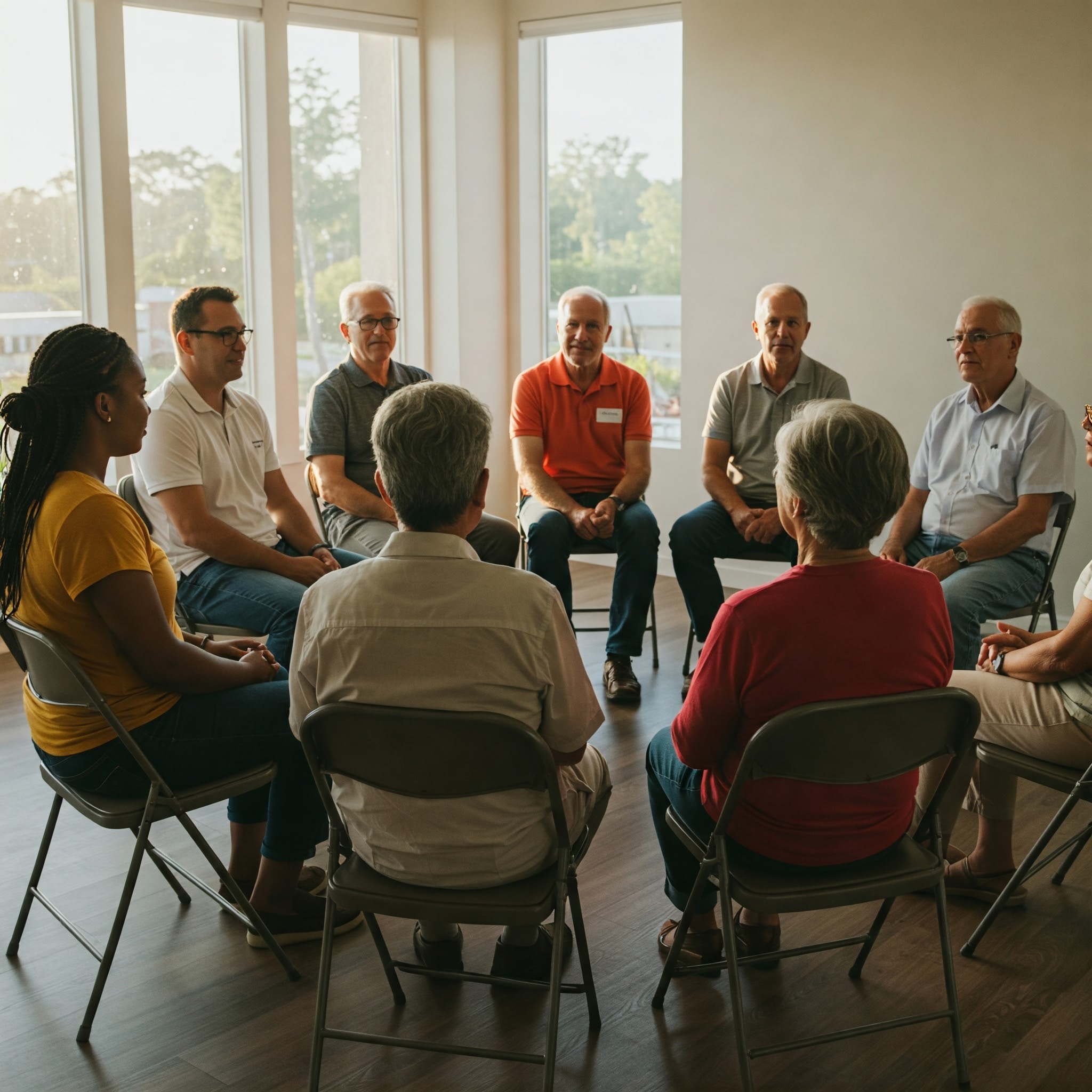
Once the holidays are over, our elder loved ones may miss the social interaction and companionship. I know my mother deeply missed the daily companionship of my father after he moved into the memory care center and then died a year later. There was an active senior community center where she lived, but my mother refused to go, saying she didn’t want to be around “old people.”

Home Care Matters had good tips on helping elders connect with community in their newsletter. They also offered additional tips about keeping elders engaged during the winter months when it may be difficult to leave the house for socializing. Some churches offer transportation service for those who need assistance to and from services. Volunteer work is another great way to connect with the community. How one socializes and stays engaged with their community may take some creativity on the part of family, but the mental, emotional, and health benefits are well worth it. You’ve likely seen the reports about the health consequences of the loneliness epidemic, including an increased risk of dementia.

What about our elder loved ones who are introverted or don’t enjoy the typical senior community center activities? As an introvert myself, I’m not a big fan of in-person group activities, but I found that I do enjoy online activities like virtual book clubs. An online women’s healing circle has been beneficial in supporting my emotional wellbeing during the pandemic. I also enjoyed an in-person knitting group I attended last year a couple of times and may return to that in the future. For me, the key is to use my hobbies and interests to find communities where we share a common interest.

What about those who are resistant like my mom? Sometimes, you have to let your loved ones follow their own way. For example, my mother used errands to socialize with everyone from the bank manager to the Mexican restaurant server to the shuttle driver. I appreciate those people who took extra time to interact with my mother. They probably don’t realize how much of a positive difference they made in my mother’s life.

Image created by Google Gemini.

Leave a comment

Filed under Awareness & Activism

Give the gift of books

When I was cleaning out my parents’ condo, I came across so many books! I’d donated many books to the local library over the years, so I couldn’t believe how many books were still left when I did the final cleanout. Most of the books belonged to my father, who had a deep interest in WWII history, as he lived through the bombing of his hometown of Belfast when he was a child.

Reading was my father’s passion. He was a voracious reader and always had a book or two on his nightstand or coffee table. He sparked my love of reading, and some of my happiest childhood memories are Saturday afternoons spent with Dad in the library. I still enjoy physical books, but I do most of my reading now via e-books. It’s just more convenient and I’m at a point in life where I want to downsize, beginning with my possessions.

With that being said, books can make wonderful gifts this time of year so I want to let you know about Smashwords 2024 End of Year Sale. I’m a participating author in this sales event so you can get e-book versions of The Reluctant Caregiver and CBD for Caregivers for half off from Dec. 12 through Jan. 1, 2025. Use the code SEW50 at checkout.

Digital books can make ideal gifts for those who live far away or for last-minute gift ideas. If you are gifting a book to a caregiver, you may wonder, do caregivers have time to read? It really depends upon the individual circumstance, but reading can be a source of respite, a way to whisk away to another world, even if one only has time to read a page or chapter at a time. A great resource for books that are curated by and for dementia caregivers can be found at AlzAuthors. Their collection includes everything from memoir to self-help to children’s books.

Speaking of children’s books, my tale about my senior rescue dog, Slow Dog, is also still available.

Murphy posing with his book.

Hope you get to enjoy the gift of a good book this holiday season.

2 Comments

Filed under Memories

Dementia wandering can be life-threatening in winter

Parts of the US are already experiencing winter weather. It’s important to ensure that loved ones with dementia don’t wander when the weather turns frigid. Each winter, there are cases of those with dementia who fall victim to the elements after wandering from home or a care facility.

My father was a wanderer. His lifelong love of walking had kept him lean, but his desire to move became a liability as his dementia progressed. Dementia takes a physical toll as well, so as Dad became frailer, he was more prone to injuries from falls. While he still lived at home, my mother had to watch him like a hawk. One time, she attempted to take a brief bath, and Dad slipped away. Mom immediately called me, frantic. It was going to be dark soon, and turning colder. In my father’s case, there was a happy ending. Mom called the police who were responsive and tracked my father down not too far from my parents’ condo community. Crisis averted that time.

My father would wander a few more times while he still lived at home, including one infamous time when my mother was in the dentist’s chair. Once he moved to the memory care unit, he was behind a locked door secured by a code. He still wandered, up and down the halls, and outside in the garden area when weather permitted, but at least he was contained to the facility.

It’s such a helpless feeling when a loved one is lost. I’m grateful for first responders and others who helped locate my father when he wandered off.

There are things caregivers can do proactively to reduce the risk of wandering this winter.

  • Door locks: One of the easiest solutions is to configure your home’s door locks to one in which you lock with a key from the inside. Then keep the key on a chain around your neck or in another inaccessible place from your loved one with dementia. If you prefer a more high-tech solution, you could choose something like a fingerprint lock or one that requires a code. Consider a door chime or bell to signal when one exits the home.
  • Trackers: I bought one of the earliest renditions of GPS-powered tracking tags for my father, but the device was cumbersome to use at the time and didn’t have good reception in the mountain town where my parents lived. I’m happy to say that such devices have come a long way since then. If high-tech solutions aren’t an option, even a simple ID bracelet or necklace can be helpful. For long-distance caregivers, seek devices that allow you to monitor your loved one’s movements from your phone, which can offer some peace of mind.
  • Behavior modification: Track your loved one’s wandering episodes. Do they happen at a certain time of day? Sundowning is a common issue for those with dementia, and the longer period of darkness during the winter can exacerbate the issue. My father struggled with bedtime and sometimes would get up in the middle night, change into day clothes, and sit in his chair in the living room until morning. Consider changing up your schedule and finding enjoyable activities to do together during this time period. Talk to the doctor about medication or other therapies.

If your loved one does wander away, try not to panic. Conduct a quick search of the immediate area, and if there’s no sign of the individual, contact authorities. 911 should be able to direct you to any specific community programs for these situations, if they exist in your area, or like in my father’s case, patrol officers handled the situation. Keep a folder on your phone with a recent photo of your loved one, nearby places they may be prone to going to, a list of medical issues and medications, and the contact information for area hospitals.

Caregiver.com has additional useful tips for caregivers to keep their loved ones with dementia safe and warm this winter.

Image by Microsoft Copilot.

1 Comment

Filed under Awareness & Activism

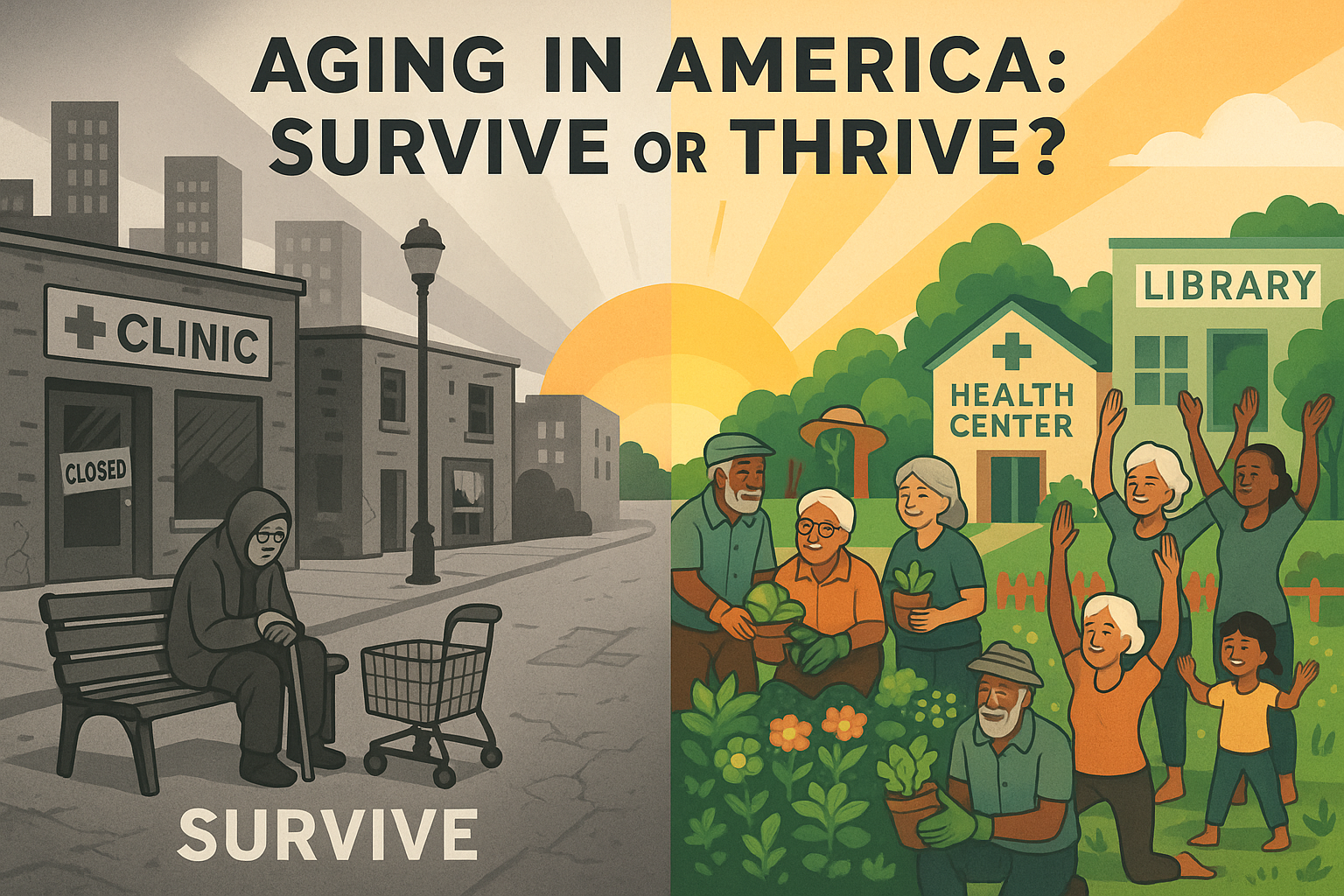
Celebrating National Family Caregivers Month

November is National Family Caregivers Month. While caregivers can use support all year long, this is a great time to step up efforts and let the caregivers in your life know that you appreciate them.

If you are looking for inspiration, don’t miss the airing of Wine, Women, & Dementia on PBS. Check with your local PBS station for more details. You can read my review of how this caregiver community grew online and in-person to foster authentic connections and provide critical emotional support.

Sometimes, caregivers who feel isolated in their specific caregivers situations have to create their own community. Dawn Shedrick did just that, and her caregiving journey is captured in this NPR article.

Real Simple has a good list of ways people can support the family caregivers in their lives. One of the tips is keep showing up. Just like caregivers keep showing up for their loved ones, we can do the same to support caregivers.

Image by Microsoft Copilot.

1 Comment

Filed under Awareness & Activism

Caregivers in the election spotlight again

When younger, I was a sporadic voter and I still maintain skepticism when it comes to viable government solutions to the major issues impacting our country. As this article from The 19th points out, I’m not the only caregiver who has felt abandoned by lawmakers.

Recently, both the Democrat and Republican presidential candidates offered their plans on how to better support caregivers. As we know from past elections, candidates offer many plans that sound good, but once in office, those plans are often derailed by Congress and/or the courts. Funding for programs supporting caregivers, from childcare to eldercare, always faces an uphill battle.

If the toxic political atmosphere has you feeling down, one empowering action you can take is by helping older folks and disabled people exercise their right to vote.

I’ll also be voting in honor of my former colleague, who died last month. She so wanted to live until the election, and spent the last month of her life working on a plan to be able to vote. It’s an important reminder to not take the right to vote for granted.

Image by Microsoft Copilot.

2 Comments

Filed under Awareness & Activism