Happy Mother’s Day to mothers of all kinds. I will be holding space for all of us whose mothers are no longer here.
On a related note, congratulations to Katie Engelhart, contributing writer for The New York Times Magazine, who won a Pulitzer Prize for Feature Writing for The Mother Who Changed: A Story of Dementia. With compassion and clarity, she shared this family’s complex and fraught journey with dementia. The piece raises important ethical and moral issues that should be discussed.
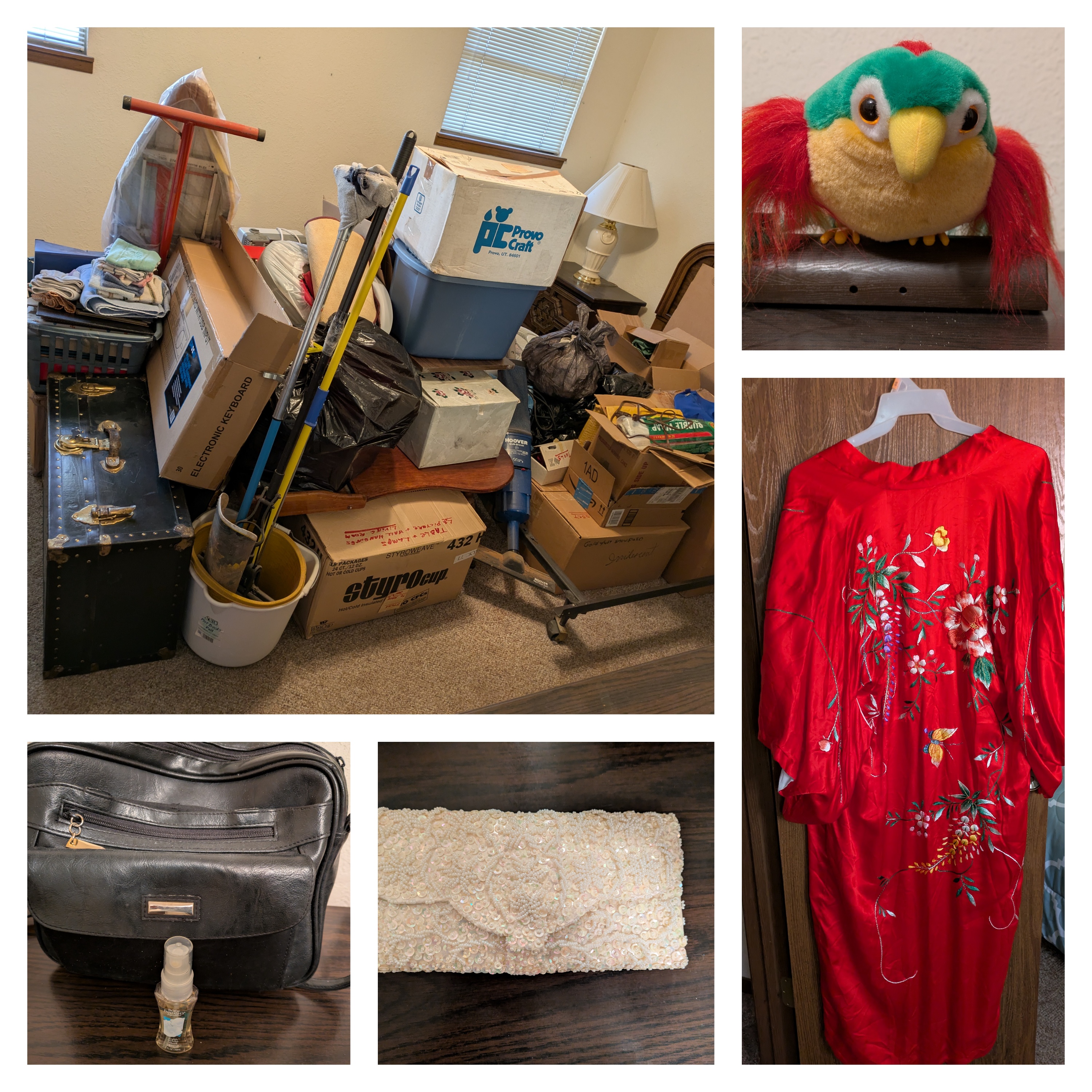
In case you missed it, I’m sharing again a poem about my mother that was published by The Prose Poem earlier this year. “Her Lists” is my way of coming to terms with some of my mother’s more eccentric qualities. Below is an example of one of her lists for reference.
Wishing you and your family a peaceful and restful holiday season. The cats managed to negotiate with Santa Claus and get a gift early. I would love to be a cat with my very own soft, cozy house for endless naps!
For those grieving this holiday season, I fully understand and send you supportive and healing energy.
If you need last-minute gifts, you can get the e-book version of my award-winning personal essay collection, The Reluctant Caregiver, for just 99 cents if you purchase through the Smashwords 2023 End of Year Sale. The deal is available through Jan. 1, 2024. For the kids, you can grab the digital version of my children’s book, Slow Dog, for $2.99 on Amazon Kindle.
If you are feeling a bit sad today, I hope this puts a smile on your face!
The years following his death have been tough, both on a personal and global level. I am grateful for having found such an amazing community of dementia caregivers and advocates who are tirelessly working to gain better resources and support. No one welcomes a diagnosis of Alzheimer’s or other forms of dementia, but my family’s experience has opened my eyes to challenges in our health care system that I otherwise would not have known about.
I began The Memories Project blog in honor of my father and will continue to advocate for better dementia care treatment and family caregiver support.
On December 20, I will mark the 12th anniversary of my father’s death. Losing a loved one during the holiday season can usher in a mix of grief and nostalgia during subsequent holidays. There’s also a group of people who are marking their first holiday after the passing of their loved one.
Each person processes grief differently, and each person will have to decide what feels right when marking the holidays without their loved one. Over time, I’ve found the sharp pangs of recent loss wane some, replaced by a more generalized sadness.
Care Dimensions posted a helpful list of suggestions on how to remember a departed loved one during the holidays. I have found playing their favorite music or watching their favorite films can be a positive way to connect with those who have passed. I also like to light a candle and set aside dedicated time to recognize departed loved ones in the memorial areas I have both inside my home and in my garden.
You can read more about how I dealt with grief in my award-winning personal essay collection, The Reluctant Caregiver. You can get a digital copy for just 99 cents if you purchase through the Smashwords 2023 End of Year Sale.
While anger and frustration are normal emotions to feel as a caregiver, society doesn’t tend to support caregivers expressing negative emotions. Instead, caregivers are judged for being selfish and not loving the ones they care for enough. This is especially true for female caregivers, who are expected to sacrifice career and other pursuits to embrace a role that they have historically been expected to fulfill.
Jennifer Levin, who runs a Facebook support group for millennial caregivers, summed up the conflicting emotions of caregivers: “A lot of caregivers are afraid to express their anger, because they feel guilty.”
I definitely experienced that uncomfortable mix of emotions when caring for my parents. Exhaustion of juggling a full-time job with caregiving duties, resentment, guilt for feeling resentful, frustration at the lack of support … and then I was expected to show gratitude and spin the experience into a positive?
I am grateful for Brenoff and others like myself who are speaking out for those still in the caregiving trenches, who feel powerless and in despair of what seems like a hopeless situation. The best way we can support caregivers is by making sure they have the resources they need so that caregiving becomes a manageable situation, not one in which the person feels like they are drowning each and every day.
While my caregiving journey with my parents was difficult, I try to share a variety of experiences here on The Memories Project, to reflect the diversity of caregiver stories. No two caregiving experiences are ever alike, but an essay I read this past week hit close to home for me on so many levels.
In this HuffPost essay by Kim Richards, she recounts the difficult experience of caring for her mother with cancer. I found so many similarities between Richards’ experience and my own caregiving experience that I recounted in my personal essay collection, The Reluctant Caregiver. Our mothers died within a year of each other, both lived in New Mexico, and both were in denial about their terminal condition. Richards had to give up her small business to move out-of-state to care for her mother; I had to quit a new job and was left with no health insurance.
I know these accounts are difficult for many to read and can be triggering for those of us who had a difficult caregiving journey. But I do think it’s important to share both the good and the bad, the inspirational and the challenging, so that hopefully people can be more emotionally prepared when it’s time for them to be a caregiver.
I’m grateful to all who share their caregiver stories as it helps me gain a better understanding of the diversity of the caregiving experience.
With each passing year, it becomes more difficult to believe so much times has passed since my mother’s death in 2015. Death has a way of warping time, so one can feel the distance of those elapsed years but also be surprised at the sharp pangs of grief that can arise at random moments.
I made an active choice to stay in the caregiver community after the death of my parents and have no regrets about that, but it does keep the illness and end-of-life memories fresher than perhaps they would be otherwise. What is most disappointing is seeing so many family caregivers dealing with the same bureaucratic roadblocks and healthcare challenges that I experienced.
I’m grateful to be able to share my caregiving story and read the moving accounts of other caregivers.
An unusual thing happened this morning after I published this blog post. As I came down the stairs, arms full of laundry, I turned to a portrait of my mother that hangs on the wall at the top of the staircase. I said, “Hi Mom,” and continued on my way. About an hour later I was in the kitchen when I heard a crash and then something tumbling down the stairs. When I went to see what had fallen, it was the portrait of Mom I had just acknowledged an hour before. Mom was never a subtle communicator. It would be just like her to make a dramatic statement. For now, Mom’s portrait has a new spot in the living room.
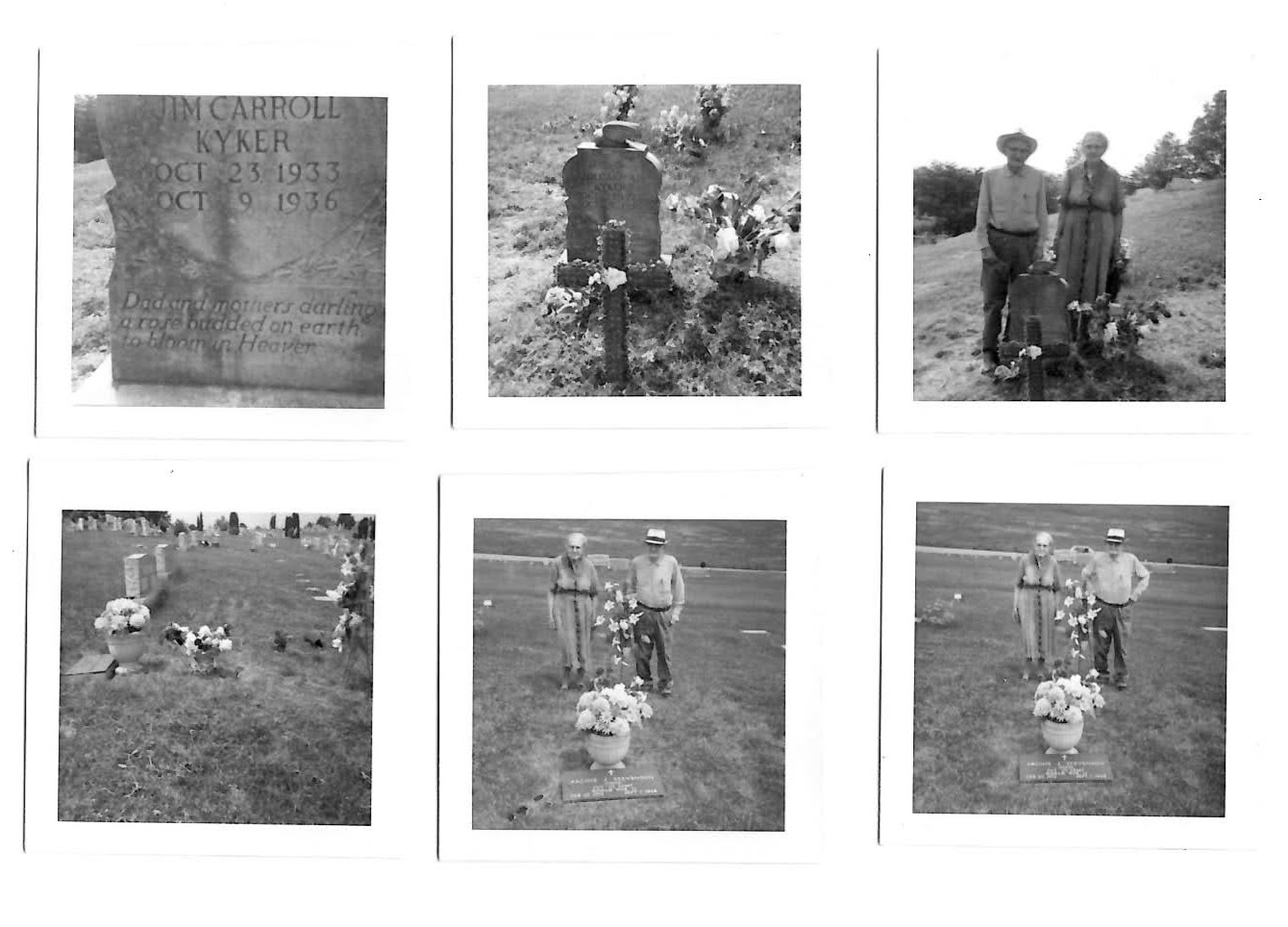
I was going through family photos ahead of Mother’s Day and opened an envelope that I haven’t look in very often because it’s photos of my grandmother in her casket at her funeral. My grandmother on my mother’s side died exactly 2 months before I was born. I had never noticed that my grandmother’s funeral date and my mother’s day of death were just a single day apart in the month dedicated to mothers.
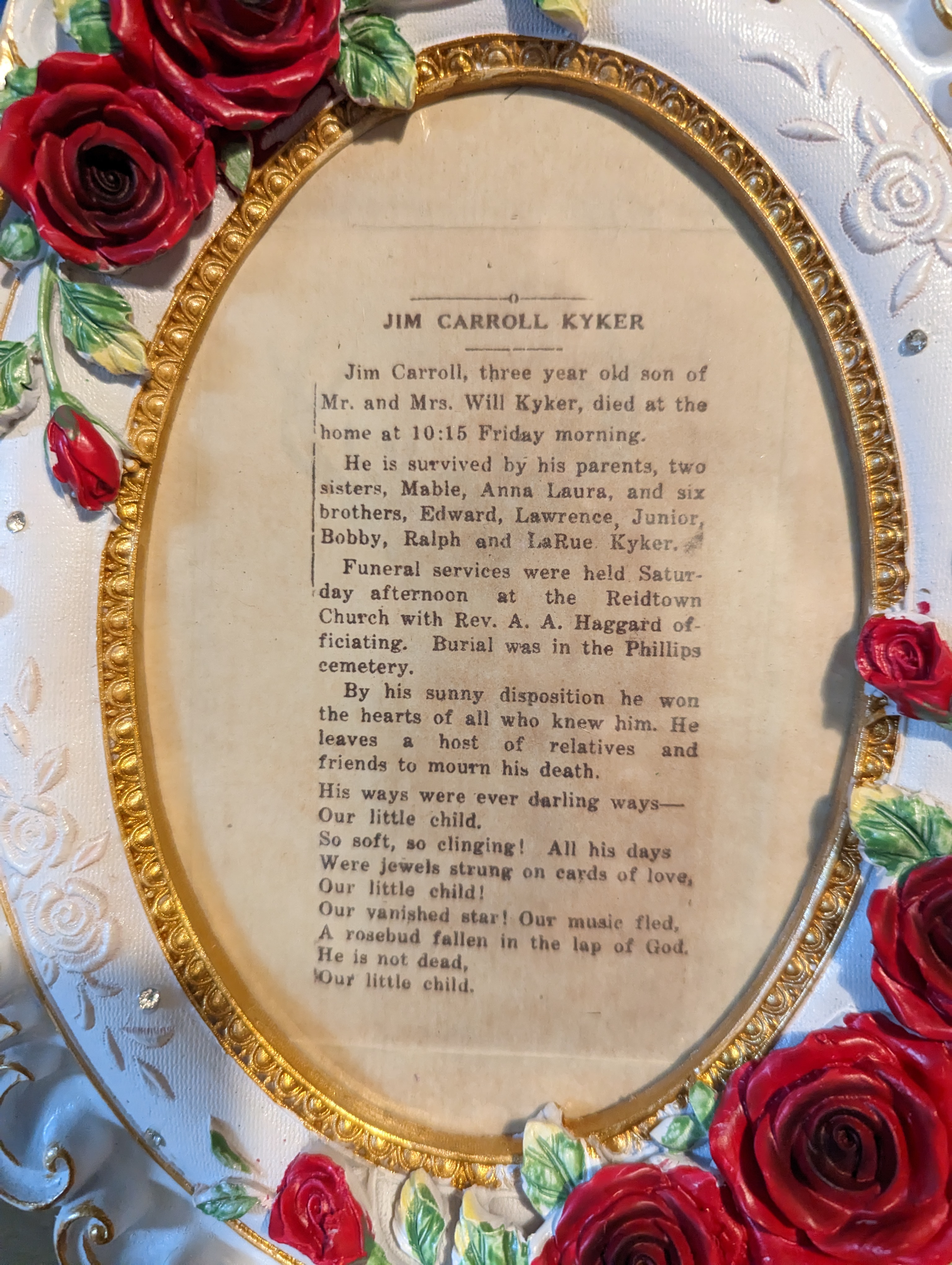
Behind the funeral photos were a set of tiny photos, just a bit larger than postage stamps. I don’t remember seeing these photos before. They were of my grandparents at the grave of my beloved uncle, Jim Carroll, who died just before his third birthday. He died from complications after an accidental drowning. I can only imagine the pain and sorrow his untimely death caused. My mother was born the following year, and she always said that she believed God gave her a sense of humor to lift the spirits of the grieving family, especially her mother.
In the photos, my grandparents are older, so I can assume this was taken in the late 1960s or early 1970s. Little Jim Carroll died in 1936 but the decades that had since passed had not lessened the love for their beloved child.
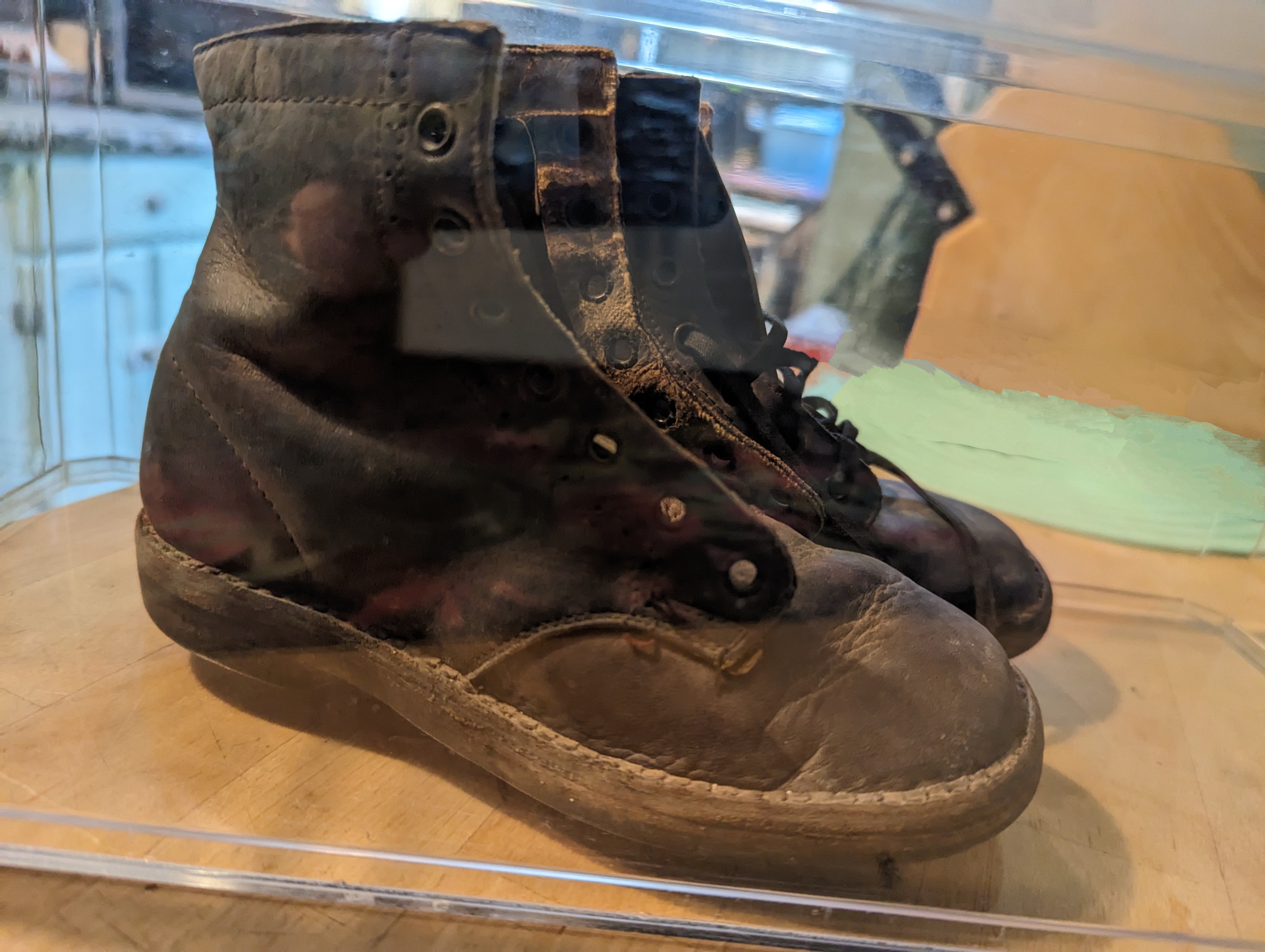
I think of Jim Carroll often, as I have what is a most precious heirloom: his shoes. Still caked with clay, the tiny shoes were handed down to my mother, who was disturbed by the sight of them. I told her to keep them for me. Now they sit on top of my family memorial display, next to his moving obituary.
If you are grappling with family loss this Mother’s Day, I hope you can find some peace and comfort.
Whenever I come across realistic, compassionate depictions of the dementia experience I like to share them here. Paul Romero Mendez, the filmmaker behind a short film named “Ruth” reached out to me recently. His moving film was released in 2021. The film depicts a woman with dementia who is lost in her own home. Highlighting this experience is very important, because while remaining in the family home can offer those with dementia the comfort of familiarity, the disease may strip away the very memories that makes the home feel meaningful and safe.
Many of us who have had cared for loved ones with dementia have had to confront the dreaded request to “go home.” But home may not be what you think. If your loved one is in a memory care center, maybe it is their last home, but it could be their childhood home. Time doesn’t necessarily move in a linear fashion for those with dementia. One minute they may be back in their childhood, the next a young adult, and the next to the current time. My father often asked to go home when he was in the memory care center, but he also talked about going home to Northern Ireland to be with his sisters. So I don’t believe home was the condo in Ruidoso where my parents retired. Home may not be a fixed place in the way we think of it, but a feeling of love and contentment.
The film was shot in a single take, so the audience can understand better the swirling cloud of confusion that those with dementia may contend with on a daily basis. It’s a powerful depiction, filmed with compassion. You can watch the film below. (This is a different short film from the one I posted about in January, which is also called Ruth.)
It’s Read an Ebook Week. While I’ll always love the feel of pages in a physical book, I do almost all of my reading using my Kindle. It’s just more convenient for my lifestyle.
If you are an electronic book fan, this is a great week to take advantage of special deals. I’m participating in the Smashwords promotions. You can get The Reluctant Caregiverand CBD for Caregivers for just 99 cents today through March 11. Note: It looks like the promotion is so popular that the Smashwords website is experiencing some technical difficulties. If you get a broken link, check back later.
If you are looking for a digital children’s book, you can get Slow Dog for just $2.99 on Amazon.