Joy Johnston is an experienced digital journalist and award-winning author. The Reluctant Caregiver, her collection of essays on caregiving, received a gold medal at the 2018 Independent Publisher Book Awards. She received the 2015 Rick Bragg Prize for Nonfiction from the Atlanta Writers Club. Her father’s death from Alzheimer’s complications in 2011 inspired “The Memories Project” blog, which was featured on NPR. She is an Alzheimer's awareness and caregiver advocate.
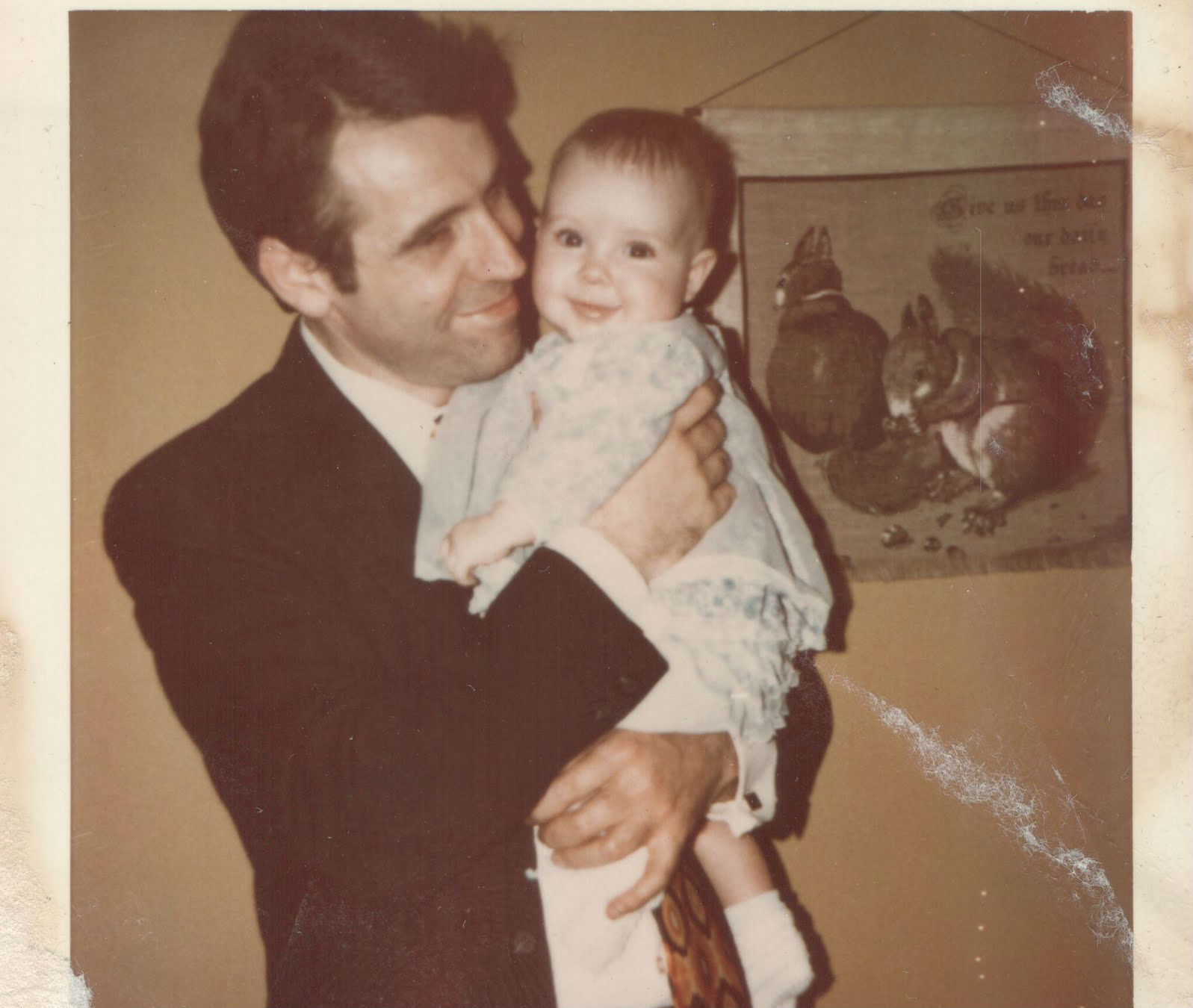
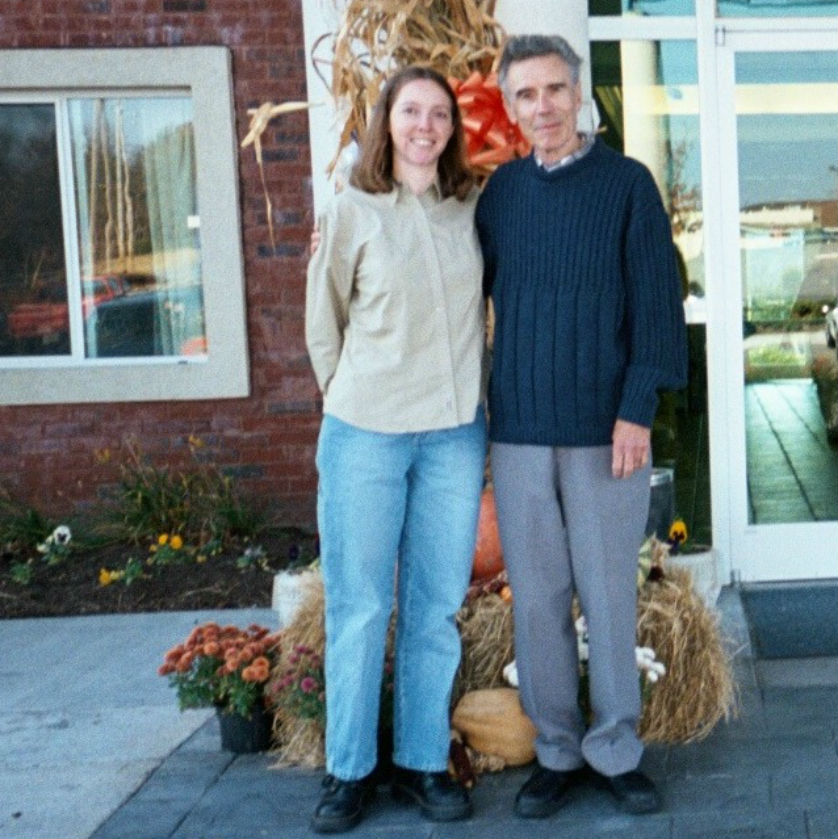
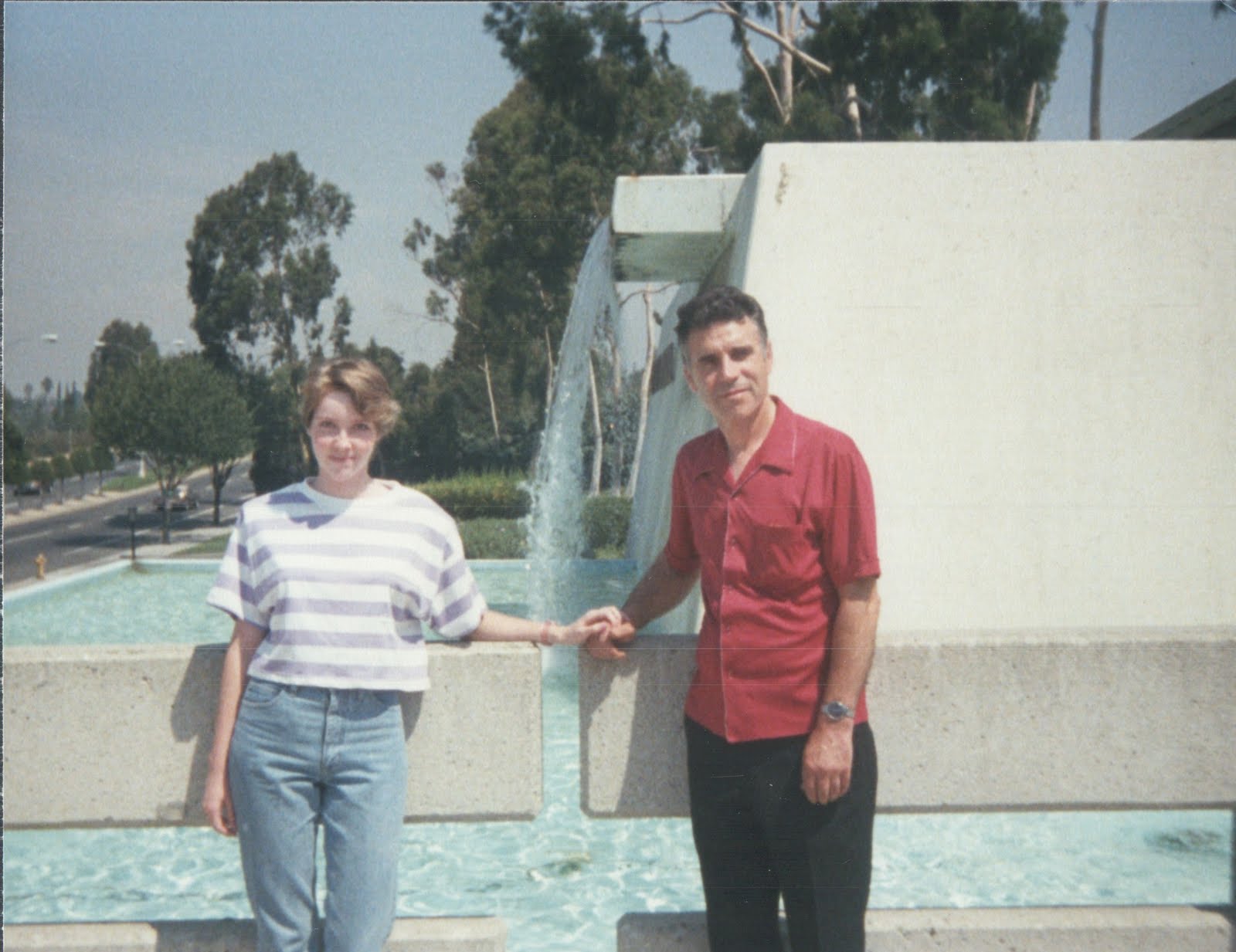
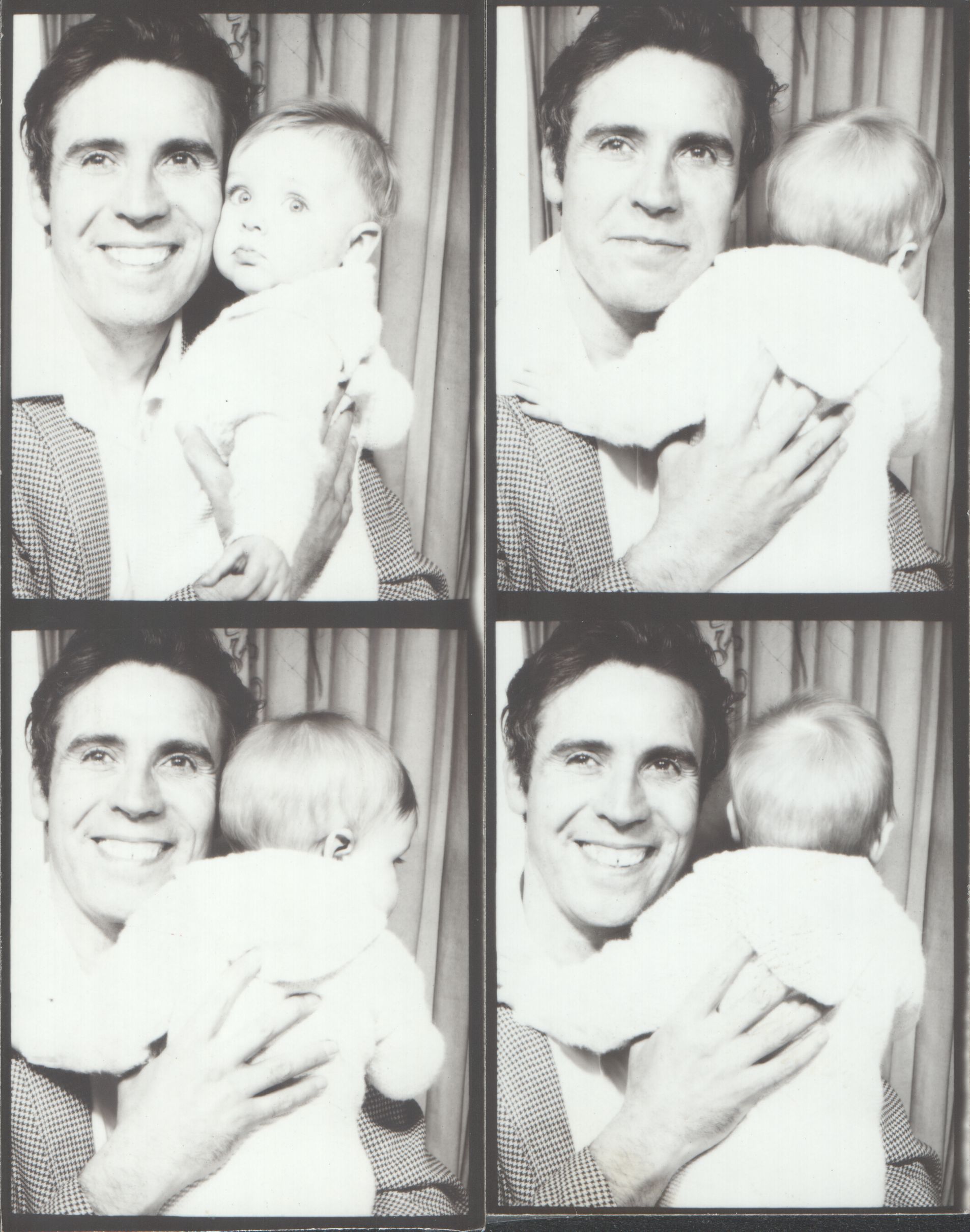
Thinking of Dad today and what it would be like to take a long walk in the park with him and discuss all of the troubles happening in the world right now.
Hope you get to spend quality time on this Father’s Day with your fathers or those who serve as father figures in your life.
There’s a new documentary airing on PBS called, Caregiving. Actor Bradley Cooper served as an executive producer and at the beginning of the film, he discusses the emotional impact caring for his father had on him.
The bulk of the film focuses on average Americans who are faced with a healthcare crisis in their family and how they attempt to navigate America’s broken healthcare system to access essential services. When that fails, caregivers are forced to take on the burden all on their own. I definitely could relate to many of the challenges these caregivers faced, from job loss to the extra stress of being a sole care provider. I also like that the film showcases stories of care recipients and caregivers who are a variety of ages. Caregiving is not just for the young and the old; any of us can be faced with an unexpected health issue that we are not prepared for and will upend our lives.
While the stories shared in the documentary are sobering, there are moments of triumph and a historic overview of care in America, and how advocates over the decades have made a real difference in how care services have evolved. There’s no question that more resources and support are needed, especially as we grapple with a rapidly aging America. There are some positive developments at the state level, with funding programs for paid leave being approved by voters but nationally, even though Americans in polls claim to support additional care funding, they often don’t vote in their best interest.
Politicians claim they can’t stomach the cost of programs like paid family leave, yet studies (and common sense) shows that the longer you can support an elder aging in place at home, the more reasonable the cost compared to having Medicaid pay the expense of a nursing home. Meanwhile, family caregivers provide billions of dollars in free labor each year, to fill the gaps the government refuses to cover.
Caring Across Generations is featured prominently in the Caregiving documentary, which I’m glad to see, as I’ve participated in events with them in the past. I appreciate their practical yet compassionate approach to caregiving issues, and their focus on being inclusive, as caregiving is something that touches all of our lives at some point.
I hope you get a chance to watch the documentary. I’d love to hear your thoughts.
I came across a new service for seniors and their family caregivers that is getting ready to launch. I’ll admit it caught my eye because it has my name! Joy Calls is an AI-powered call service that performs virtual wellness checks.
A smart feature of the service is that even though Joy is an AI-powered persona, the high-tech is contained in a familiar package: a telephone call. No special equipment or training is required to use the service. Joy calls your loved one, checking in on things like medication, hydration, diet, and mood. Your loved one’s responses are summarized and provided to the caregiver.
The concept is designed not to replace family caregivers but virtually augment the monitoring of their loved ones, potentially extending their ability to age in place safely. A price hasn’t been set yet, but according to Onscreen, the company producing Joy Calls, the service is expected to cost in the range of $10-40 per month.
It’s an intriguing concept, and I will be interested in how well the service works and if it can meet the needs of seniors and family caregivers. I’m curious to see how the service handles sensitive information and if it can reduce the risk of AI hallucinations, otherwise the calls could go off the rails. And thinking of my mother, how will Joy handle a senior who is, to put it politely, verbose? Will she interrupt and try to get the call back on track? I felt helpless at times trying to keep my mother focused on the topic at hand, so I hope Joy Calls is up to the challenge.
It’s hard to believe that today marks 10 years since my mother’s death. The moment my mother took her last breath is still crystal clear in my mind, even though I can recognize the considerable amount of time that has passed. Considering the turmoil that has engulfed the world over the last decade, I have to say Mom had impeccable timing when she exited this world.
As I was writing this blog post, Maria Shriver’s Sunday Paper hit my inbox. In it was an article, Want to Have No Regrets When You Die?, which was written by Diane Button, a death doula. She shared an encounter she had with one of her dying clients, who told her, “I am not yet ready to die. I’ve spent my whole life caring for others, and honestly, I don’t even know who I am.”
This really resonated with me as it’s one of the cornerstones of my caregiver advocacy, to support the needs of family caregivers and making sure they don’t lose their own voice. Writing is one effective way of maintaining your identity, and can help process the complex emotions that caregiving triggers. One of my goals with publishing The Reluctant Caregiver was to encourage other caregivers to release the guilt and shame they felt during their caregiving experience.
Button shared a simple yet powerful, “I am …” writing prompt that anyone can use to connect with themselves. The prompt could also be used in an audio format if that’s one’s preference. Button suggested that it’s an exercise that one can revisit, then review prior answers to see how your sense of self has transformed over time.
Here’s what I came up with to mark this somber anniversary:
I am resilient. I am learning. I am determined. I am evolving.
Feel free to share your “I am” creations in the comments section. I’m working on a project that includes writing prompts for caregivers. More to come soon.
This May marks 10 years since my mother’s death. It’s hard to believe that my mother has been gone that long.
Because of the timing, Mother’s Day has become another day of mourning for me. The last Mother’s Day my mother was alive, she was less than two weeks from dying. I was very aware of my mother’s impending death but my mother, the eternal optimist, was less certain. What message to write in the card your mother will receive on her final Mother’s Day? I agonized over the few lines, settling on a message of gratitude and acknowledging that I would support her through her journey from this world. She appreciated the card and especially the flowers that I bought her, but I think no matter how gentle I broached the subject, my mother was still resistant to recognizing her own mortality.
May 2015: My mother reading the card on her last Mother’s Day.
Since my mother’s death, I’ve joined those who find the incessant marketing around Mother’s Day tiring and virtually inescapable. A few thoughtful companies offer opt-out emails for holiday promotions, but mostly it’s Mother’s Day ads everywhere, from TV commercials to website ads and smartphone messages. Of course I’m pleased that people who have living mothers get to dote on them, but every ad is yet another reminder of the most difficult period of my life. Getting through the day only makes me one day closer to the anniversary of her death, May 21.
Writer Anne Lamott posted her annual Mother’s Day message on Facebook for those who dread the holiday. For those of you who may be struggling with feelings of grief and longing this Mother’s Day, I hope you find some solace and recognition in her words.
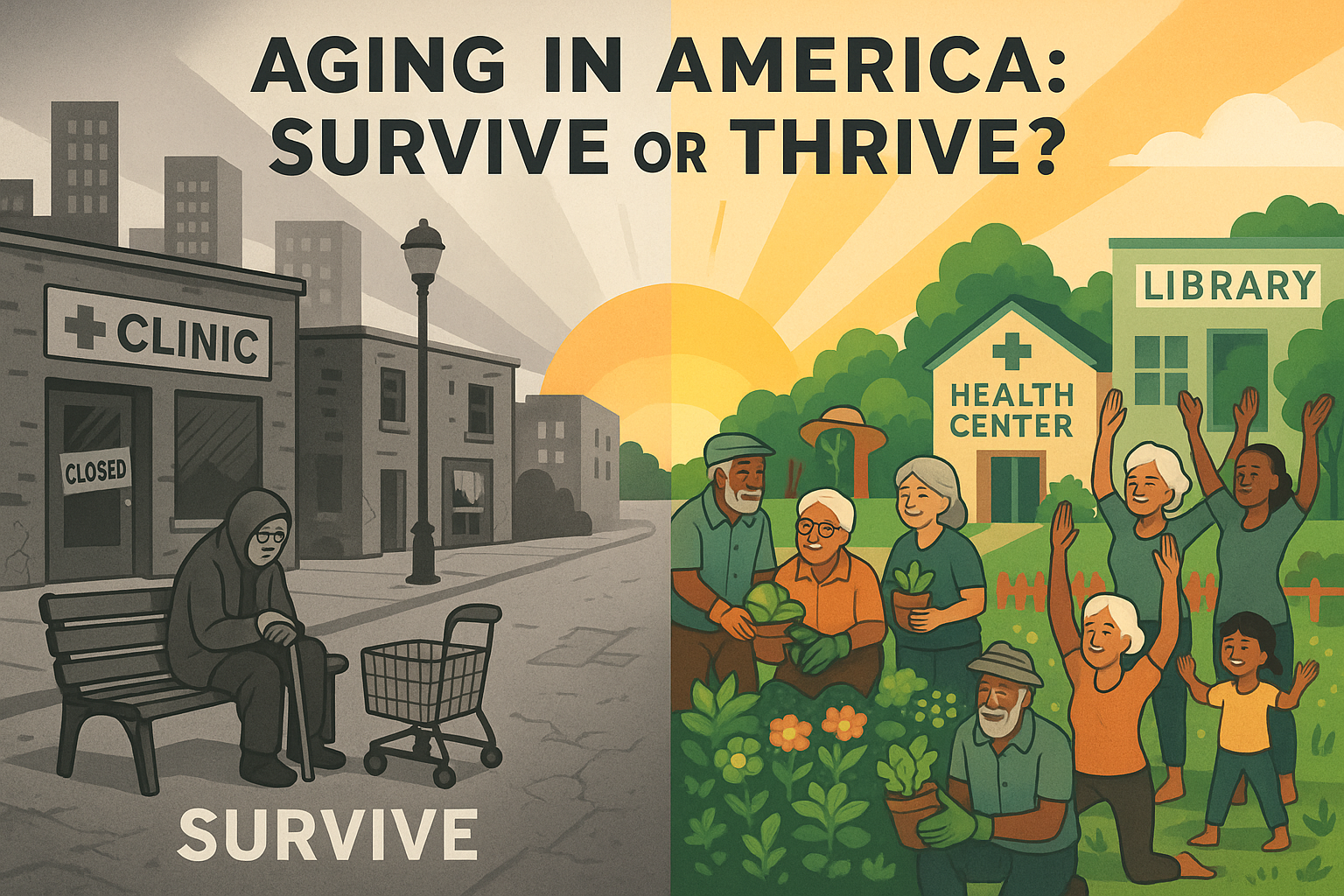
There’s a new documentary about aging, Aging in America: Survive or Thrive, that is airing on PBS for the month of May, which is Older Americans Month. The documentary marks the 50th anniversary of the publication of the Pulitzer-prize winning book “Why Survive? Being Old in America” by Dr. Robert Butler.
While the number of Americans over the age of 65 has more than doubled during the last five decades, in part due to medical breakthroughs, the financial stability of older Americans continues to erode. The documentary notes that older people are the fastest growing group of homeless people in America. Older homeless people may find themselves in that situation for the first time in their lives, after a job loss or medical emergency. The film highlights one such case in which a woman, who was a nurse, ended up living in a moving van for almost a year after being diagnosed with cancer and spending her life savings on treatment.
There’s also a touching segment about a wife caring for her husband with Alzheimer’s in Wyoming, and the challenges of dementia care in an isolated rural environment with limited medical services.
The documentary highlights the organizations that are doing commendable work in addressing the needs of the older population in their communities. From providing meals to companionship and aging in place assistance, these organizations provide critical services to older Americans.
America’s preoccupation with youth hasn’t changed much in the 50 years since Dr. Butler noted that bias in his book. The field of geriatrics continues to struggle to attract new doctors. We don’t have nearly enough care workers to tend to our rapidly expanding older population.
Filmmaker Neil Steinberg said in a Next Avenue interview that he wants to encourage people to “rethink aging” after watching the documentary.
“We need to give people the opportunity to live their later years in dignity,” Steinberg said.
I hope you can join AlzAuthors for Poetry for the Dementia Journey, a moving and inspirational poetry reading on Tues. April 29 at 2 p.m. EDT. I’m honored to be one of the participating poets. I’ll be reading a poem inspired by my father’s experience with dementia. The event will be held virtually via Zoom.
While I’ll always consider the essay format to be most suitable for my writing style, I’ve always had a love of poetry. There’s something unique and impactful that comes from writing poetry vs. long-form writing. Distilling emotions and events down to their essence can help one see things in a different light. With poetry, I can’t hide my feelings behind paragraphs of text; I’m motivated to release the raw feelings, which is so cathartic when it comes to the caregiving experience.
If writing poetry feels intimidating, try writing a prose poem. I was thrilled to have Her Lists, a poem about my mother’s colorful and wild shopping lists, included in The Prose Poem journal in 2024. Though I’d written about the same subject that I included in my award-winning essay collection, The Reluctant Caregiver, the prose poem format allowed me the freedom to play with language and rhythm.
AlzAuthors is the global community of authors writing about Alzheimer’s and dementia from personal experience to light the way for others. The wonderful organization is celebrating 10 years, which is hard for me to believe. I’m amazed at its growth and what it has done for the Alzheimer’s community.
If you are unable to attend live, the poetry reading will be recorded and shared on the AlzAuthor’s YouTube channel and podcast. There’s also a free guide that will provide you with links to poetry books written by members of the AlzAuthors community. In honor of National Poetry Month, you can purchase a copy of Poetry for the Dementia Journey: An AlzAuthors Anthology at a deep discount.
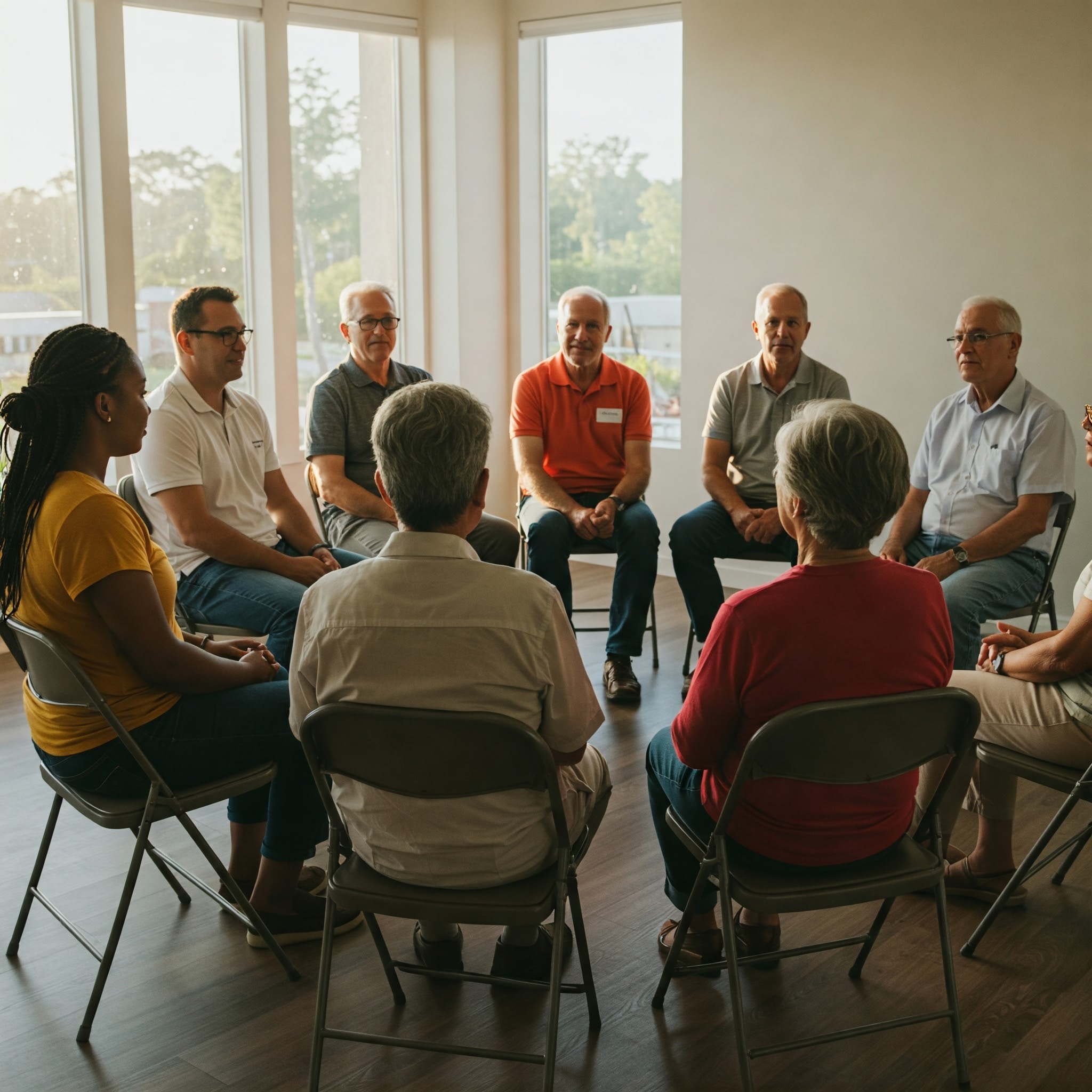
As government funding vanishes for community-based health programs, it’s becoming increasingly clear that caregivers will need to build their own support networks. If you are considering starting a support group in your community, there are plenty of helpful resources online to help guide you to success.
Today’s Caregiver offers an excellent resource about starting a caregiver support group. The article does a good job addressing the key questions and tasks one must consider, from meeting location to group leader requirements and suggestions on how to set up the first meeting.
I’ve mostly attended online groups but I appreciate the benefits of in-person meetings. There is something special about sharing physical space with others that is difficult to replicate online. But Zoom meetings can offer critical connections to those who might not otherwise be able to attend support groups, such as those in rural locations and those who don’t have transportation options. In this day and age, both options are important to have available to support as many caregivers and care recipients as possible.
There are some unique considerations when it comes to creating a support group for those with dementia. The Toolkit Project offers a variety of dementia-specific resources to help those interested in creating a support group in their community. The Alzheimer’s Society also has tips for facilitating dementia-friendly discussions, including the use of cards to better understand an individual’s communication needs. Keeping things simple and clear, being flexible when it comes to the unexpected, and remaining respectful and compassionate are key factors to facilitating a dementia care support group.
Speaking of community, AlzAuthors is one of my favorite dementia-focused organizations and it is celebrating its 10th anniversary. Join us for a poetry reading on April 29 at 2 p.m. ET. I’m honored to be one of the participating poets.
April is National Stress Awareness Month so it’s a good time to discuss healthy ways caregivers of those with dementia and Alzheimer’s can manage stress levels.
The first thing I recommend is to set realistic expectations. The dementia care journey is unique and unpredictable. The more flexible and adaptable you are, the more resilient you will be when facing those tough days when everything seems to go wrong.
Stress can manifest itself in a wide variety of mental and physical symptoms. While people may recognize common symptoms like irritability, anxiety, headaches, and digestive issues, stress can also impair decision-making skills. The longer someone endures a stressful situation, the more difficult it may be to recognize the signs of stress, as the situation begins to feel like the new normal. It’s important to recognize how your body reacts to stressful situations so you can find a stress-relieving method that will work best for you.
There are no shortage of stress reduction techniques that dementia caregivers may find helpful. For me, walks in nature and listening to music were my go-to methods for relieving stress. Anything that helped me reset my brain and my emotional state was effective when I was facing a stressful caregiving situation.
Don’t overlook the ways stress may impact your loved one with dementia. While they may not be able to express their feelings of stress clearly anymore, there are signs that caregivers should aware of as well as the triggers that may cause stress in their loved ones. A caregiver’s mood and stress level may impact a person with dementia.
Being a dementia caregiver can be a lonely and isolating experience. Finding practical ways to relieve your stress, creative outlets to express your feelings, and connecting with others going through a similar situation can be beneficial.
Speaking of creative outlets, I’d like to invite you to a poetry reading taking place at the end of April. Poetry for the Dementia Journey is being hosted by AlzAuthors on April 29 at 2 p.m. ET. The live poetry reading will feature 20 poets, including myself. You can RSVP via this form. I hope you can join us.










![Pageflex Persona [document: PRS0000038_00069]](https://memoriesproject.files.wordpress.com/2014/02/reluctant-caregiver-cover.jpg)






 The Memories Project