

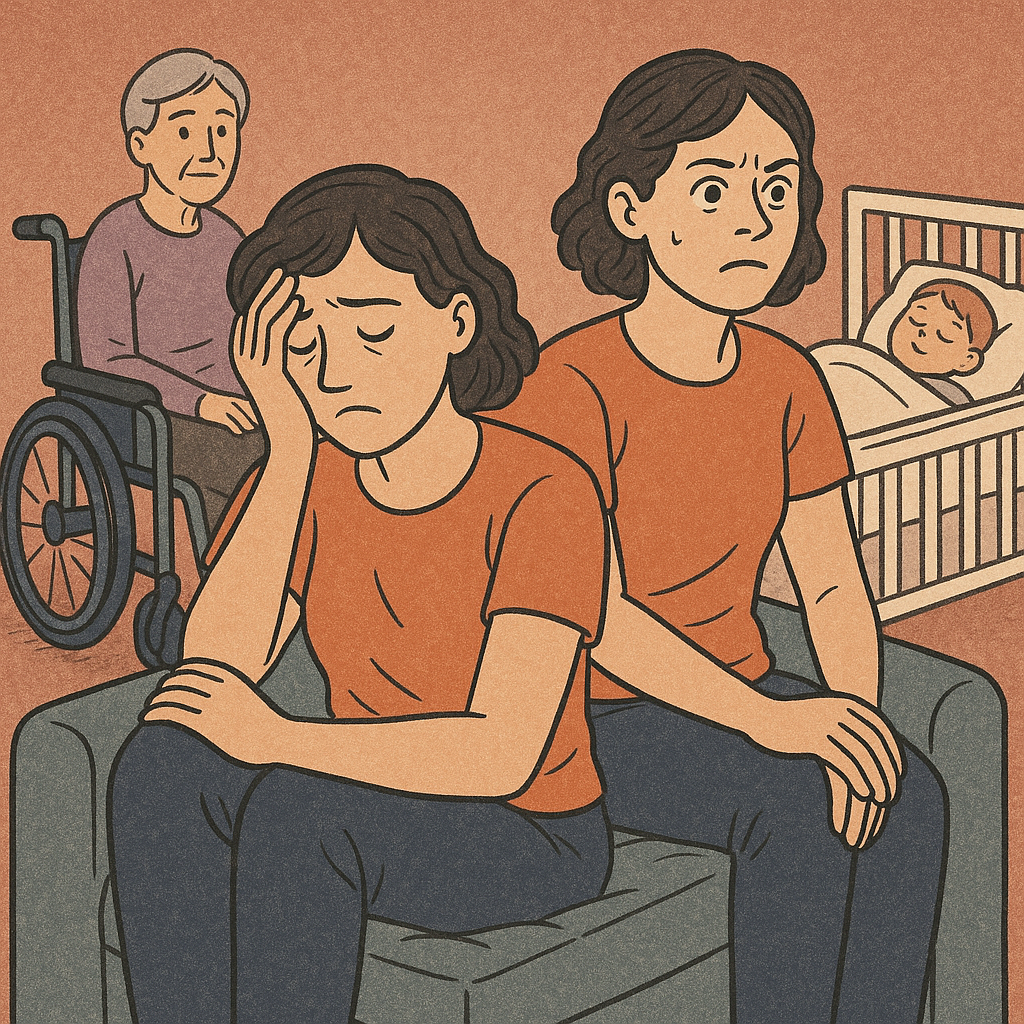
Each dementia case is unique. There are many forms of dementia, each which affect different parts of the brain and may cause different cognitive symptoms. As a caregiver, one area that can be difficult to navigate is how much help a loved one with dementia needs. That’s in part because progression isn’t linear and there may be good and bad days that can create an emotional minefield for family members. It can be heartbreaking to see a loved one’s reaction when they realize they are losing their independence even when family caregivers have their best interest at heart. On the other end of the spectrum, family members can feel tremendous guilt if an incident happens because they weren’t monitoring their loved one enough.
Dr. Elaine Eshbaugh had a good post on this topic on her blog, When Dementia Knocks. As she points out, there’s no definitive guide or course of action to follow. The best advice is simply to pay attention, try to include your loved ones with dementia in daily activities as long as it’s having a positive impact, and don’t beat yourself up because you did too much or too little on any given day. As a caregiver, the most important moments to step in are for safety reasons. If your loved one loves to cook but it’s not safe for them to cook alone, maybe you have a night where you cook together. If your loved one can no longer safely drive, consider taking them for scenic drives or on a drive to a favorite spot.
It can be a challenge to honor a loved one’s independence while at the same time protecting them from harm. So much of dementia caregiving becomes ad-libbing your way through each day. As Dr. Eshbaugh says in her blog post: “You won’t always get it right, and that’s okay.”
AI image generated by WordPress.






![Pageflex Persona [document: PRS0000038_00069]](https://memoriesproject.files.wordpress.com/2014/02/reluctant-caregiver-cover.jpg)







 The Memories Project