Sharing the harsh realities of caregiving

While my caregiving journey with my parents was difficult, I try to share a variety of experiences here on The Memories Project, to reflect the diversity of caregiver stories. No two caregiving experiences are ever alike, but an essay I read this past week hit close to home for me on so many levels.

In this HuffPost essay by Kim Richards, she recounts the difficult experience of caring for her mother with cancer. I found so many similarities between Richards’ experience and my own caregiving experience that I recounted in my personal essay collection, The Reluctant Caregiver. Our mothers died within a year of each other, both lived in New Mexico, and both were in denial about their terminal condition. Richards had to give up her small business to move out-of-state to care for her mother; I had to quit a new job and was left with no health insurance.

I know these accounts are difficult for many to read and can be triggering for those of us who had a difficult caregiving journey. But I do think it’s important to share both the good and the bad, the inspirational and the challenging, so that hopefully people can be more emotionally prepared when it’s time for them to be a caregiver.

I’m grateful to all who share their caregiver stories as it helps me gain a better understanding of the diversity of the caregiving experience.

Photo by Isaac Quesada on Unsplash.
4 Comments

Filed under Awareness & Activism

Study identifies which states have highest rate of Alzheimer’s

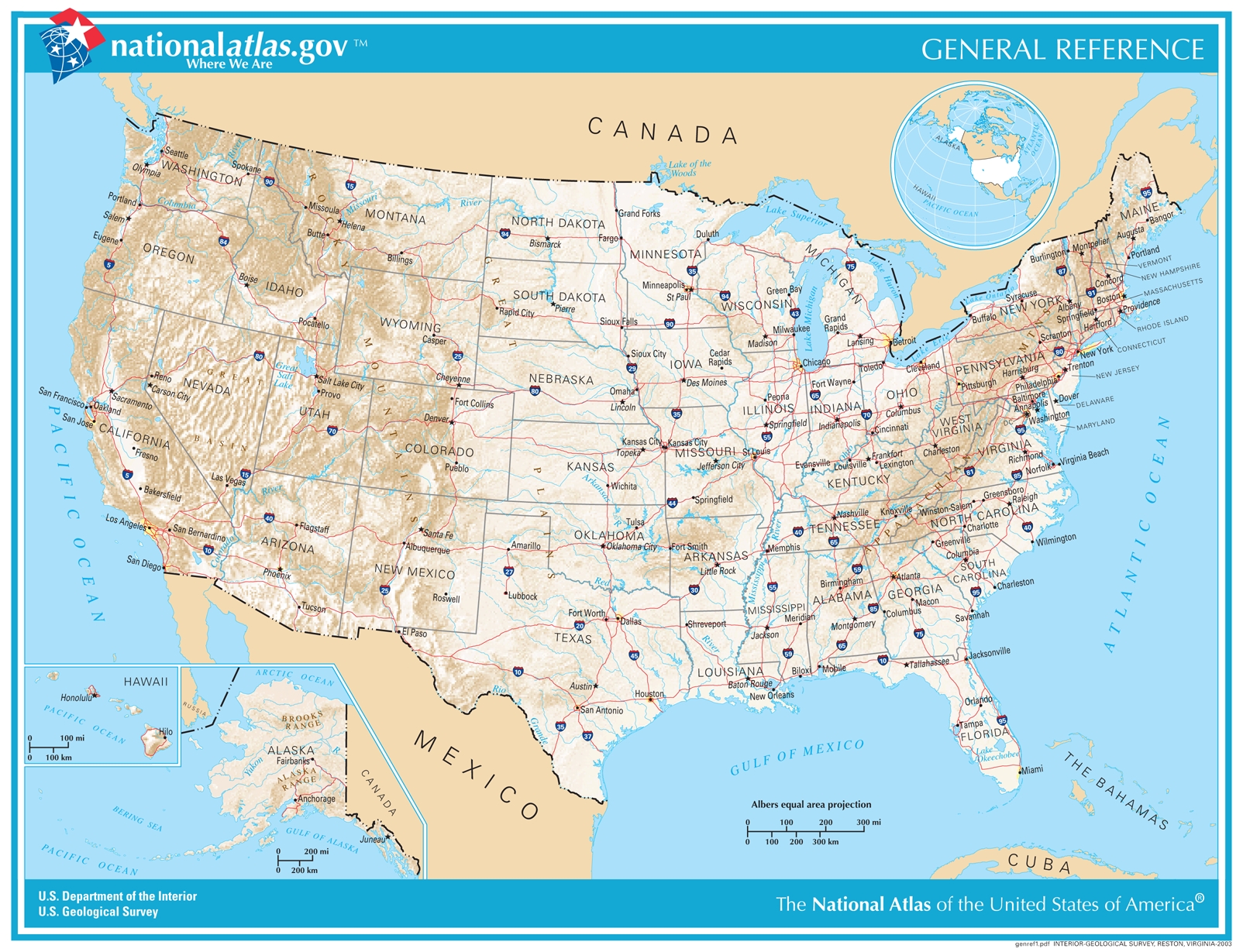
This month, researchers for the first time released county-level estimates of Alzheimer’s disease prevalence in the U.S.

The data, shared at the Alzheimer’s Association International Conference and published in Alzheimer’s & Dementia: The Journal of the Alzheimer’s Association, found that the southeast and the east regions of the U.S. had the highest prevalence of the disease.

For counties with a population of 10,000 or more individuals age 65 or older, researchers estimate the highest Alzheimer’s prevalence rates are in:

  • Miami-Dade County, Fla. (16.6%)
  • Baltimore City, Md. (16.6%)
  • Bronx County, N.Y. (16.6%)
  • Prince George’s County, Md. (16.1%)
  • Hinds County, Miss. (15.5%)
  • Orleans Parish, La. (15.4%)
  • Dougherty County, Ga. (15.3%)
  • Orangeburg County, S.C. (15.2%)
  • Imperial County, Calif. (15.0%)
  • El Paso County, Texas (15.0%)

According to CNN, at the state level, Maryland registered the highest prevalence of Alzheimer’s disease, followed by New York and Mississippi.

The findings suggest that counties with an older average age population and higher percentages of Black and Hispanic residents are at higher risk. The hope in compiling and releasing such data is that it “may help public health programs better allocate funding, staffing and other resources for caring for people with Alzheimer’s and all other dementia,” according to Kumar B. Rajan, Ph.D., professor in the Department of Internal Medicine at Rush Medical College.

Leave a comment

Filed under Awareness & Activism

Being a Human Being

“Stop thinking you’re a human doing. You’re a human being.” That’s a message all caregivers need to hear.

Elaine M. Eshbaugh, PhD's avatarWhen Dementia Knocks

Tonight I spoke with a caregiver. His mother has dementia and lives in a local nursing home. Previously she had been in assisted living, but it was obvious she needed more care. And it’s obvious she is progressing.

He doesn’t know what to do.

I get it. Many of us are programmed to take action. We want to fix. We want to solve. And we take pride in fixing and solving.

But sometimes there is nothing to fix or solve.

You didn’t cause dementia, and you can’t cure it. If you are like me, you think you must be missing something. Maybe there’s some puzzle to solve and you haven’t cracked it yet. There has to be answer. Perhaps if you read more books. Or look at more Facebook pages (please don’t do this).

I want to tell you it’s okay to stop. It’s okay to stop and be. Just…

View original post 290 more words

Leave a comment

Filed under Memories

Slow Dog a Purple Dragonfly award winner

I’m pleased to announce that my children’s book, Slow Dog, received Honorable Mention awards in two categories of the Purple Dragonfly Book Awards. This contest is focused solely on children’s books, so it’s extra special to me that Slow Dog was selected among the winning titles.

Sometimes nudging yourself out of your comfort zone can lead to good things. If you are on the fence about pursuing a creative endeavor of your own and doubting your abilities, I hope you can take some inspiration from this post. Whether you are sharing your caregiving journey or something completely unrelated, you won’t know what your capable of until you try.

I also can’t help but think about Dad’s unfinished novel. I know he would be proud of my modest success as a writer, because it was one of his unrealized dreams.

1 Comment

Filed under slow dog

FDA gives full approval to controversial Alzheimer’s drug, Leqembi

Last week, the Food and Drug Administration (FDA) granted full approval to Leqembi, an Alzheimer’s treatment that has shown some moderate benefits in those in the early stages of the disease, but also has potential side effects that are concerning to some medical professionals.

While the drug received accelerated approval earlier this year, the full approval designation will mean that Medicare will now cover the cost of the medication, which was one of the main hurdles to access. The Alzheimer’s Association released a statement in favor of the FDA’s actions and opening up access to the Alzheimer’s treatment. The organization is advocating for Medicaid to cover the costs of Leqembi. The drug costs $26,500 annually, making it out of reach financially for many families.

The drug’s approval has been controversial in the medical community because of its initial very modest benefits and its array of potential serious side effects, including brain swelling and bleeding. Subsequent studies showed a larger benefit to patients. The drug “slowed cognitive and functional decline by 27 percent over 18 months compared with placebo,” according to The Washington Post report.

The drug is administered via infusion and requires a significant amount of medical monitoring. Those with early-stage Alzheimer’s and their families hopeful to slow the progression of the disease will need to carefully weigh the pros and cons of Leqembi and consult with their doctor before making a final decision.

2 Comments

Filed under Awareness & Activism

Helping those with dementia stay hydrated during heat waves

Atlanta is in the middle of an early summer heat wave. Yesterday the heat index was above 100 degrees, with temperatures in the 90s and humidity over 60 percent. By noon, it’s very uncomfortable to be outside for any extended amount of time. It feels like you are trying to breathe through a hot, wet blanket.

Older people and those with dementia are at particular risk during heat waves. I’ve written before about how some older people on limited incomes are afraid to turn on their air conditioners because of the high cost. And while air conditioning is pretty common here in the Deep South, other parts of the country that are used to more moderate summer temperatures can be taken by surprise during a heat wave. I experienced that in the mountains of New Mexico and it was very uncomfortable with just a fan.

Hydration is just as important as having a cool place to reside. Elders and those with dementia often struggle to drink enough water or other fluids. For my parents, drinking water was not the necessity that I find it to be. My father drank mostly juice and coffee, with an occasional diet soda. My mother was a bit more diverse, with juice, coffee, tea, milk, and occasional diet soda. Water was not on the menu, unless they were taking their medication.

I can’t imagine not drinking water. It seems like a no-brainer to me, but it’s a generational difference that is important to note. Caregivers will be relieved to know that the traditional advice of consuming 8 glasses of water per day has been debunked. In fact, recent research has found that the amount of water one needs typically declines with age. Instead of focusing just on water, focus on total fluid intake. Harvard Health recommends 4-6 cups of water per day, on top of the other fluids and hydrating foods that you eat.

Here are some additional recommendations to encourage hydration for those with dementia:

  • Don’t focus just on plain water. While limiting sugary sodas and juices is important, coffee and tea is fine, up to about 400 mg of caffeine per day, according to researchers.
  • Sparkling water and adding fresh fruit to water is another good option to make beverages more visually attractive and more flavorful.
  • Hydrating foods are key for those who are not fond of drinking water. Fruits like watermelon and vegetables like cucumbers and celery are all very hydrating. Soups are ideal for hydration.
  • Instead of juice, try whipping up smoothies to sneak in some healthy vegetables and fruits.
  • If your loved one takes medication, this is great opportunity to encourage drinking water.
  • Make sure to use cups and glasses that are easy for your loved one with dementia to use.

Image by Silvia from Pixabay.

2 Comments

Filed under Awareness & Activism

Activity boxes offer stimulation, engagement for those with dementia

A dementia diagnosis is disruptive in many ways, but one particular challenge for family members is how to keep their loved ones engaged and occupied. Whether one was retired before their diagnosis or forced to leave their jobs as their symptoms progressed, the days and nights can be long as one becomes less independent.

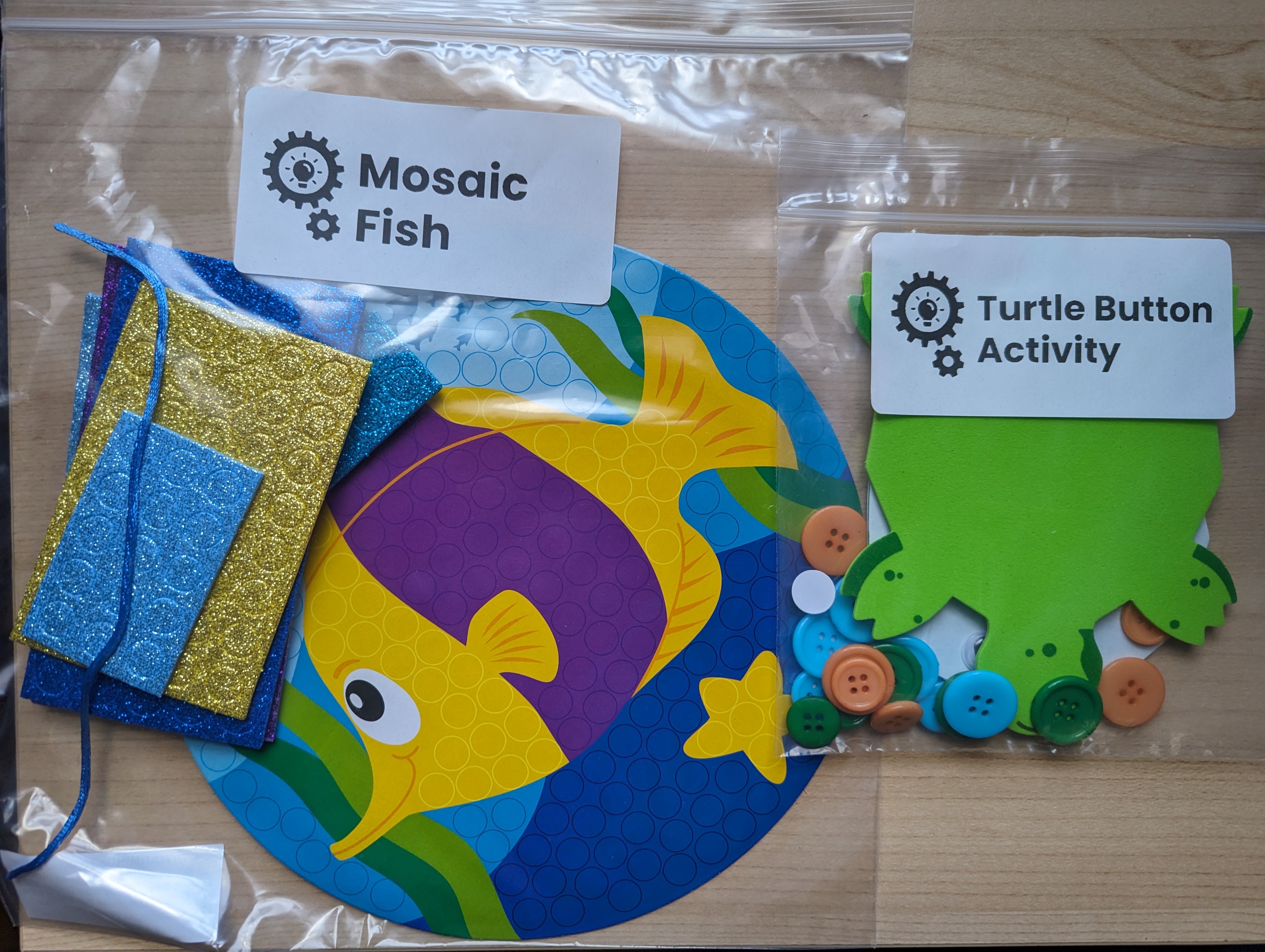
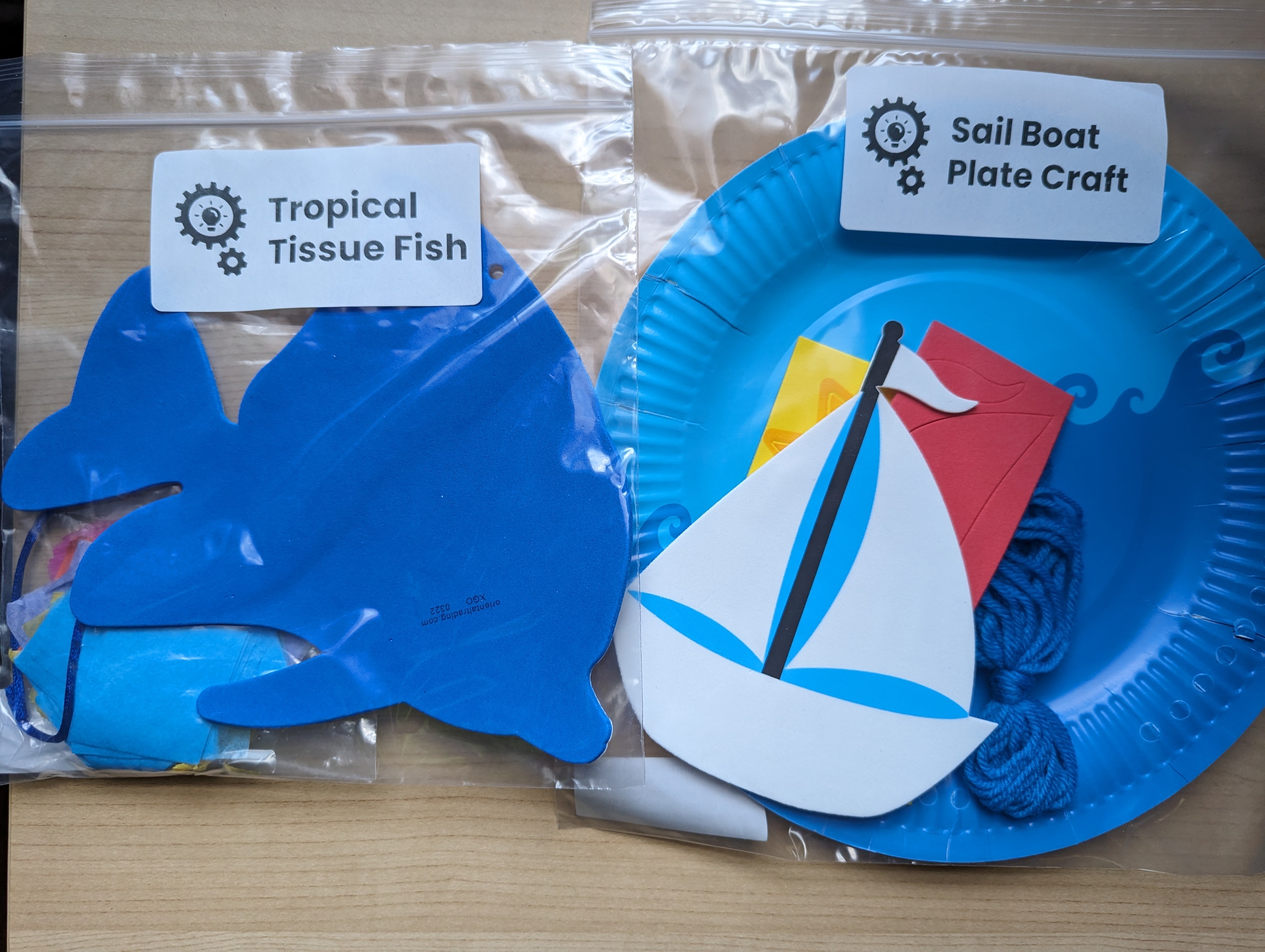
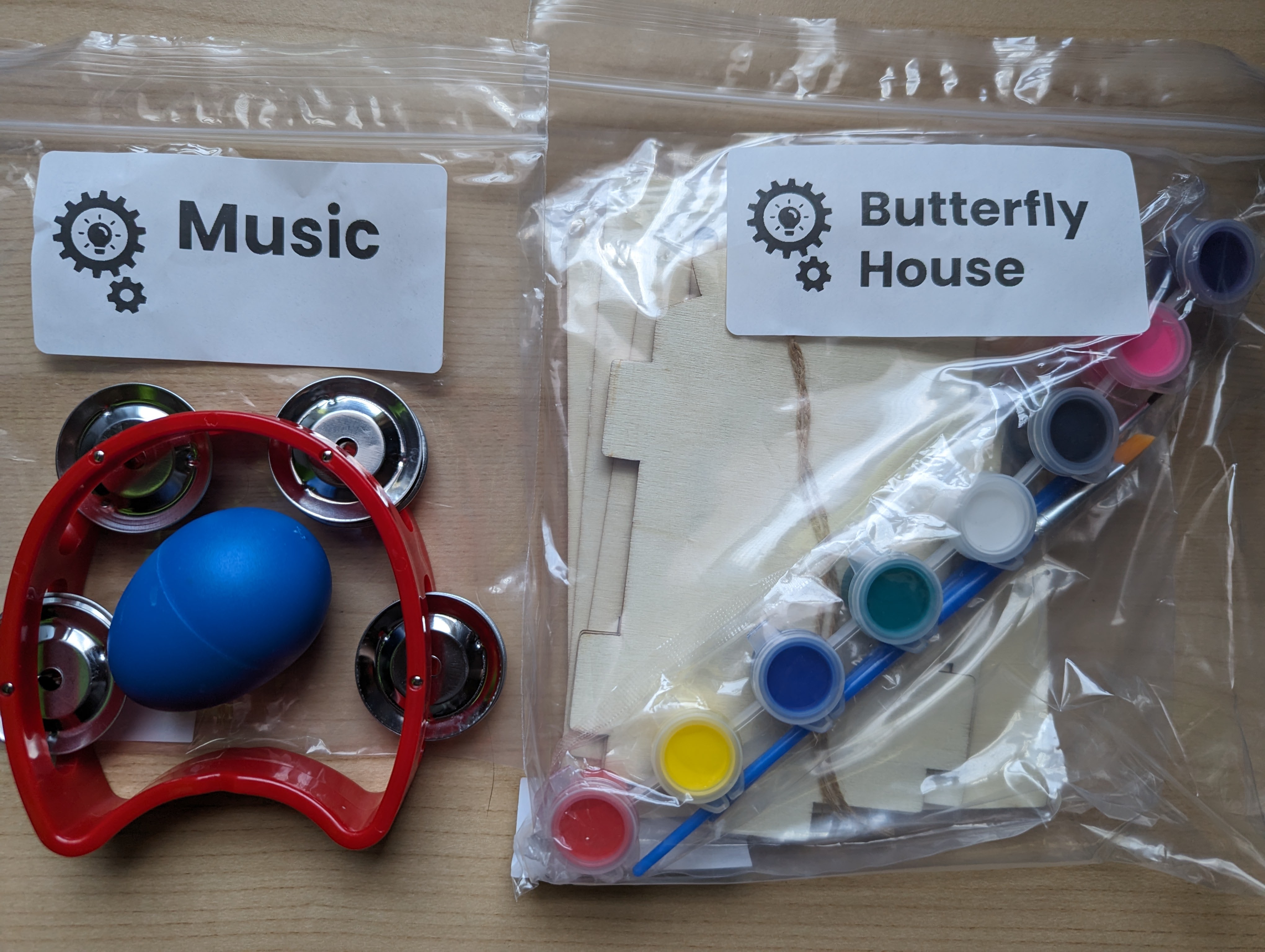
Always Home Connected was founded by two women who both had parents who were diagnosed with Alzheimer’s. They’ve created a series of activity boxes for those with dementia and their family members that cover a wide variety of interests and skillsets. The company was kind enough to send me a sample, which included a variety of crafts, musical instruments, as well as word puzzles and a coloring book.

I was impressed with the variety of crafts offered in the activity box. I also appreciated how everything was included, including a bottle of glue. Each craft came in its own bag, making it easy for transporting. The instructions were clear and I liked how there were a series of conversation starters included with each craft, to encourage engagement. We know that those with dementia can become withdrawn and hesitant to communicate as verbal skills fade. Encouraging conversation while crafting is a good way to spark memories and create meaningful moments for all involved.

Always Home Connected offer a variety of activity boxes for individuals and groups, along with specialty items like fidget blankets, memory book, and a sensory product called HUG.

If you’d like more inspiration on crafts for those with dementia, check out Creative Carer.

1 Comment

Filed under Awareness & Activism

Happy Father’s Day

Happy Father’s Day. For those whose fathers are still living, I hope you get to spend quality time together. Its not about the gifts or the celebrations but simply time spent together.

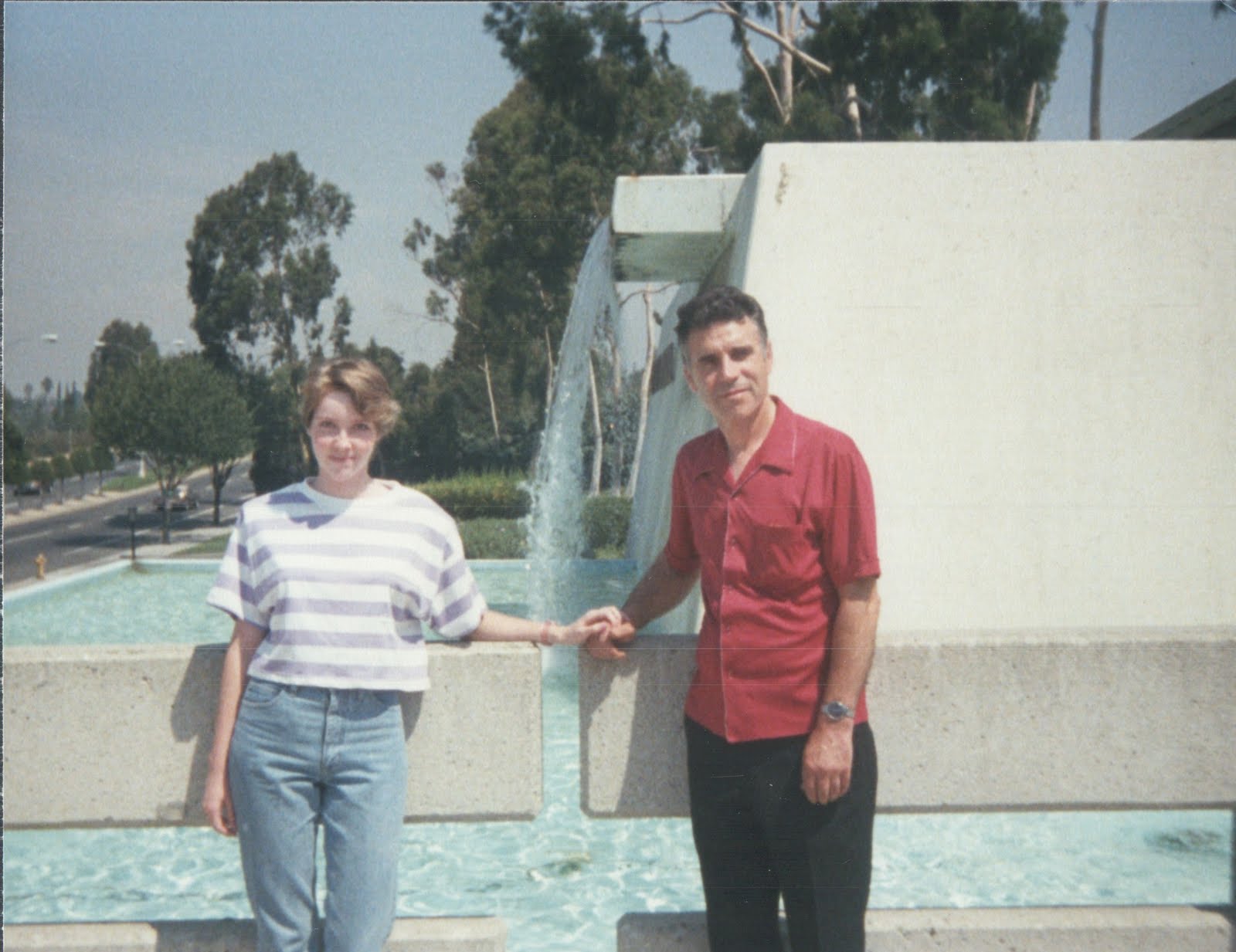
Dad wasn’t one for big events. Father’s Day in our household were simple affairs, maybe a walk in the park and then a dinner at one of his favorite restaurants. In this photo we were at a park that had a library next to it. My father’s idea of heaven on earth!

For those of you like myself, whose fathers are no longer living, may you find treasured memories to reflect upon. And for those who have/had difficult relationships with their fathers, I hope you can focus on your own healing today.

Leave a comment

Filed under Memories

Merakoi seeking patients, caregivers to interview

If you or someone you care for has mild cognitive impairment, in the early stages of normal onset Alzheimer’s or appears to have memory loss issues, merakoi, a company seeking to “to create healthcare solutions that help people better navigate life with a disease,” is inviting you to join their network.

Those interested in joining the merakoi network must be a US resident and age 65 or over. You will be compensated for your participation in interviews at a rate of $150 per hour.

Here is a direct link to the merakoi network sign-up form. Please select the memories project in the How did you hear about us? drop down menu. Full disclosure: I will receive a referral fee for those who sign up to the merakoi network through The Memories Project blog.

Take some time to review the merakoi website to see if you are interested in participating. The company is focused on facilitating a patient-led approach in designing health solutions.

Leave a comment

Filed under Memories

Rosalynn Carter, tireless caregiver advocate, diagnosed with dementia

Embed from Getty Images

Last week, The Carter Center announced that Rosalynn Carter has been diagnosed with dementia. This follows the news that former President Jimmy Carter has entered hospice.

Rosalynn Carter has long been an advocate for caregivers, founding the Rosalynn Carter Institute for Caregivers. Her quote about caregivers is well-known and so true: “There are only four kinds of people in the world––those who have been caregivers, those who are currently caregivers, those who will be caregivers, and those who will need caregivers.”

Carter, age 95, has served in all these roles and will now receive care herself. If you’d like to leave the Carter family a message of support, you can do so at the link in the tweet below.

Leave a comment

Filed under Awareness & Activism