I’ve been out of the country to attend and speak at News Reach Con, a conference for those in the news SEO industry. In Germany where I was, celebrating Halloween is growing some in popularity but not to the same level as in the US. As I’ve written many times on this blog, I’ve always enjoyed Halloween and have mostly fond memories of celebrating the holiday as a child. Halloween also makes me think of how my father took on a neighborhood bully who had been mean to me at a community gathering, which I write about in The Reluctant Caregiver.
While at the conference, one of the speakers, Louisa Frahm, was wearing a fabulous “Elvira Mistress of the Dark” dress. We chatted about growing up with Elvira and how as children, the racy innuendos flew right over our heads as we just enjoyed the costumes and silly movies. I credit Elvira with inspiring my love of cheesy B-horror movies, something that I continue to enjoy to this day.
Zoom in to see Louisa’s fabulous Elvira dress! Photo by Markus Mielek.
I hope your Halloween brings more treats than tricks.
Halloween animation generated by Google Flow AI with Veo.
A few years ago around this time of the year, I fell hard at the park while walking my dog. It knocked the wind out of me, something I hadn’t experienced since I was a child. The shock of the fall caused me to drop the dog leash but fortunately my rescue dog didn’t take off. After catching my breath and assessing any injuries (fortunately nothing broken or sprained) I was able to slowly make it home. For the next week I was bruised and sore. I was fortunate this was a minor incident, but it was a reminder that falls can happen at any time and can cause more significant injuries.
I was reminded of how falls can be deadly this past week. Ace Frehley of the legendary rock band KISS died after suffering a fall in his home. He was only 74.
Falls can lead to all sorts of health issues from the obvious broken bones that may require surgical repair and a lengthy rehabilitation period to less obvious injuries like internal bleeding and concussions. My mother suffered a fractured shoulder after a fall in the home and it never did heal properly, limiting he ability to raise that arm. My father suffered multiple falls at the memory care center. Falls can be sneaky because internal injuries are not always immediately apparent. It’s important to monitor for any emerging symptoms and changes in mental health status in the days after a fall.
This time of year can be a wonderful time to walk and be out in nature. The temperatures are more moderate and the leaves are turning gorgeous colors. But once those leaves fall to the ground along with other tree debris (we get a lot of hard balls that litter the ground below the tree canopy in my neighborhood) it can create a risky walking surface. Depending upon what shoes I’m wearing I either stomp on these hard balls or try to scoot them out of the way to avoid walking over them. I’ve had a few close calls over the years when walking around the neighborhood during the fall season.
For caregivers of elders or anyone with mobility challenges, just be extra mindful during this time of year. I think it gets less attention that winter, where snowy and icy surfaces are well known for being dangerous conditions. Try to keep the outdoor paths around your home clear of leaves and other fallen debris. Make sure your loved one is wearing sturdy shoes. Guide them through leaf-covered walkways carefully. Remember that after a rain, slick leaves can present an extra slipping hazard.
With a little extra preparation, the autumn season can be enjoyed safely by the young and old alike.
Today the NFL played a game in Dublin, Ireland. It made me think about my childhood and watching football with my father. Of course, being from Northern Ireland, my father’s first passion was soccer, which he continued to enjoy watching throughout my childhood. He was fond of listening to the Spanish simulcast, even though Dad didn’t understand Spanish, because of the enthusiasm of the announcer. It may have been Andrés Cantor, because I remember the famous “gooooooal!” call and how my Dad loved to try and mimic it.
The first sport I learned from my father was baseball. We would watch Dodgers games and Dad would remind me that the team was once located in Brooklyn, where he once lived. The timing of the team’s move from East to West Coast was right around the time my father arrived in the US, so I doubt he got to see the team play in Brooklyn but he no doubt learned the team’s lore during his time in the Big Apple.
We did watch American football as well. I mostly remember watching college football with my dad when I was a teenager. Of course my Dad rooted for the Notre Dame Fighting Irish. Being a teenager, I would choose the opposing team. I remember watching the Colorado-Notre Dame Orange Bowl rivalry, and how it was one of those rare bonding moments with my dad during my adolescence, as were often like passing ships in the night with his work schedule and my school and work schedule.
I also remember watching NFL games with my father. One specific memory is Super Bowl XXV. I’m pretty sure my father was cheering on the Buffalo Bills because of their quarterback Jim Kelly. Dad tended to support anyone with an Irish name. I remember the “wide right” missed kick by Scott Norwood, which cost the Bills the championship and began a heartbreaking string of Super Bowl losses for the team.
I think Dad would have liked seeing a NFL game being played in Ireland. And I think he would have approved of a Steelers win, a team owned by the Rooney family with ties to Ireland.
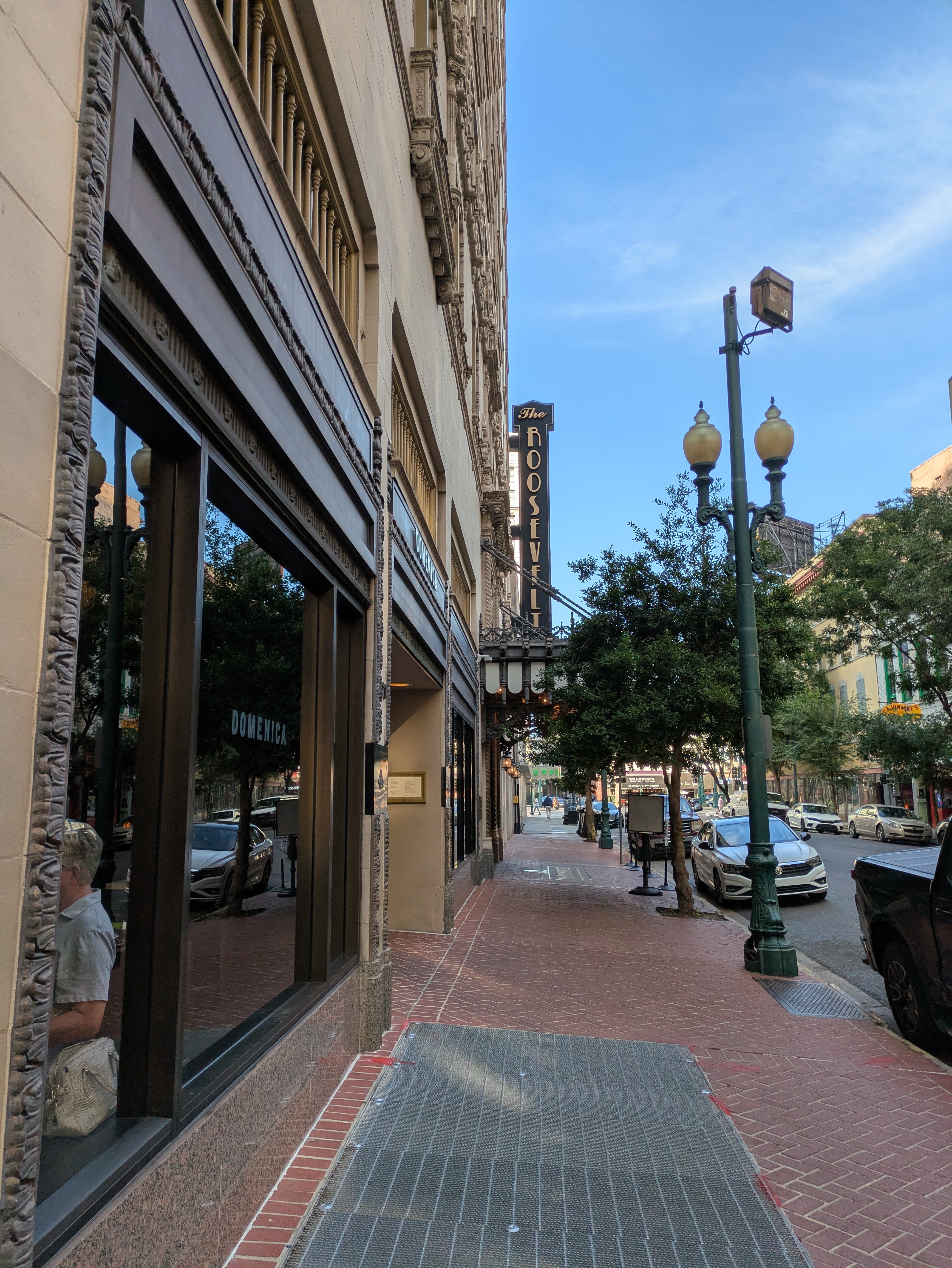
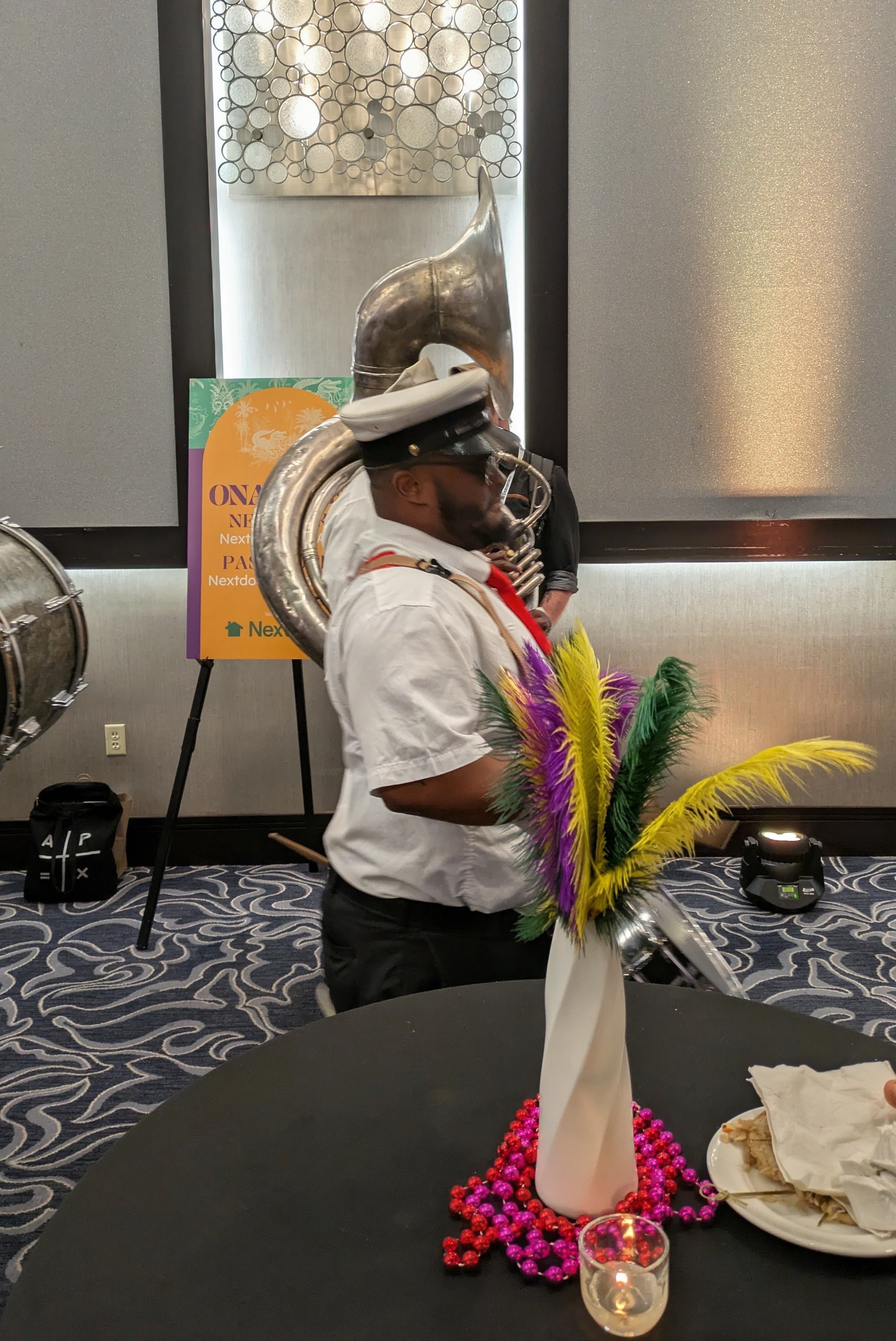
I attended a conference last week in New Orleans. As I’ve written about in the past, the city holds special meaning for me because my father lived there briefly as a young man. It was a pit stop between his initial years as a new immigrant in New York City, and on his way to Los Angeles, where he would spend the bulk of his life.
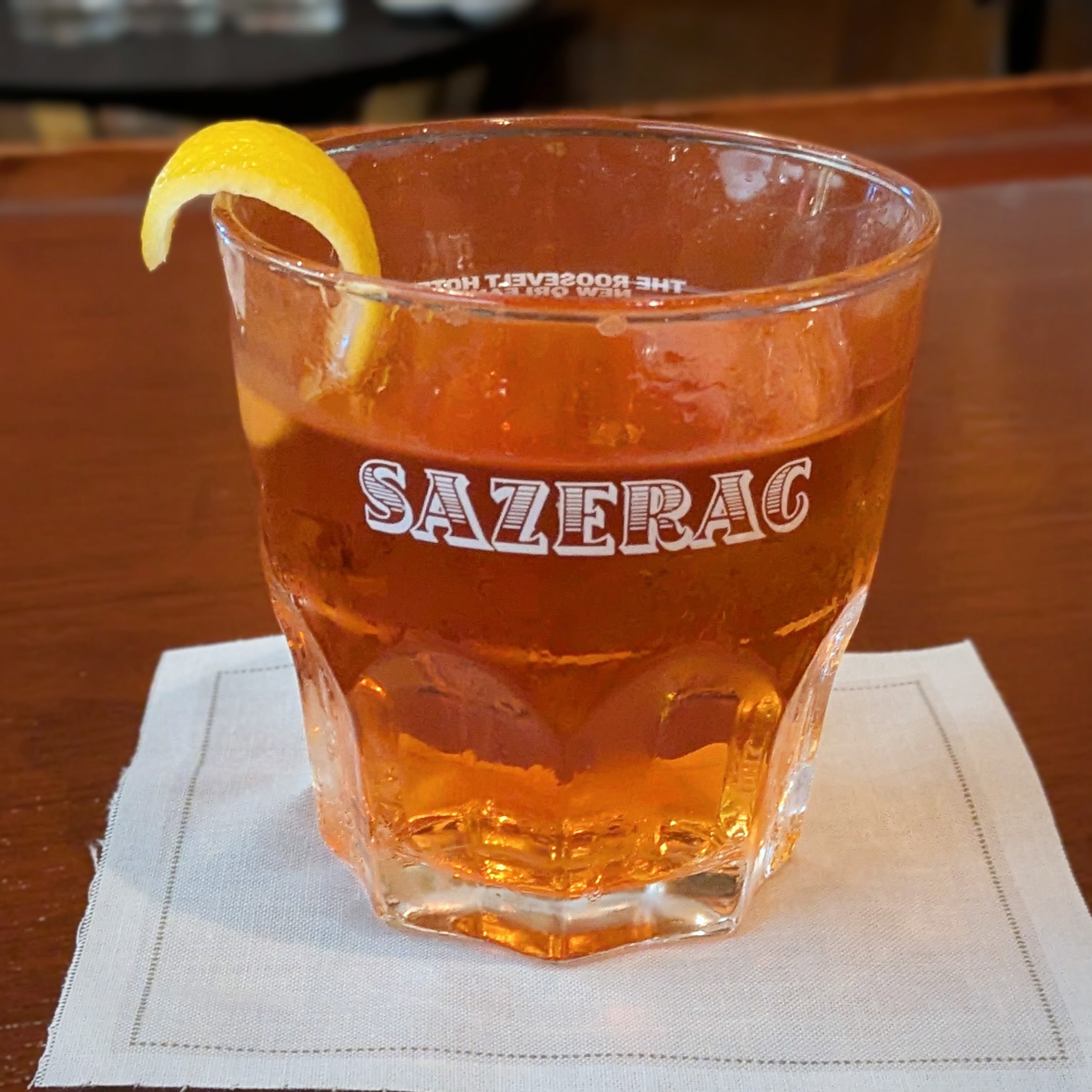
My father worked at The Roosevelt Hotel in New Orleans, which still exists. Any time I’m in New Orleans, I make sure to stop by The Roosevelt and have a drink to toast Dad at the Sazerac Bar. I was chatting with the bartender and he said he’d heard so many similar stories over the years, especially relatives of those who performed at the hotel’s legendary music venue, the Blue Room.
Taking in the sights and sounds of NOLA, I wonder about the culture shock Dad must have experienced upon arriving to this eccentric and vibrant city as an immigrant from Northern Ireland, after living in one of America’s other iconic cities, New York City. He didn’t stay in New Orleans long, but he did help with the planning of the St. Patrick’s Day Parade while he was there. What a thrilling experience that must have been!
Today is my birthday. After last year’s leap of faith, I’m keeping it simple this year with a staycation. An at-home vacation gives one opportunities to indulge in self-care.
I’m a believer in self-care; my project Respite Care Share is all about helping caregivers take breaks from caregiving duties. (I’m wrapping up a refresh of that project, more to come soon.) There are numerous studies about caregiver burnout and the dangers it presents to caregivers and care recipients. Taking regular caregiving breaks is key to recharging and maintaining an identity outside of caregiving.
But reality check: self-care doesn’t happen by waving a magic wand. I wish it did! For solo caregivers and single folks, self-care is yet another task one has to perform on top of all of the other chores and duties necessary for a functional life. And at some point, caring for yourself can feel like a burden.
If you find yourself struggling with self-care, try connecting with resources that are meaningful and authentic. I listened to an episode of the Happy Healthy Caregiver podcast recently with two of my favorite people in the metro Atlanta caregiving community: Elizabeth Miller and Hope Cross. This was a down-to-earth discussion about the challenges of caregiving and taking care of oneself. You may remember I’ve written about Hope before, as she cared for her husband, Steve Dezember, who had ALS. She is now a licensed counselor with a practice focused on family caregivers.
If you are looking for ways to incorporate more self-care into your life (most of us need to!) the Happy Healthy Caregiver website is a good resource. From my own experience with Respite Care Share, it’s best to start small, with easy to manage and access respite activities, even if it’s just getting away for an hour and enjoying your favorite beverage at a local cafe or taking a walk in the park. Respite can be designed to fit the caregiver’s needs and caregiving situation. For some, it might mean a weekend away; for others an afternoon to recharge. What’s important about respite and self-care is not so much what you do, but how often you engage in caring for yourself.
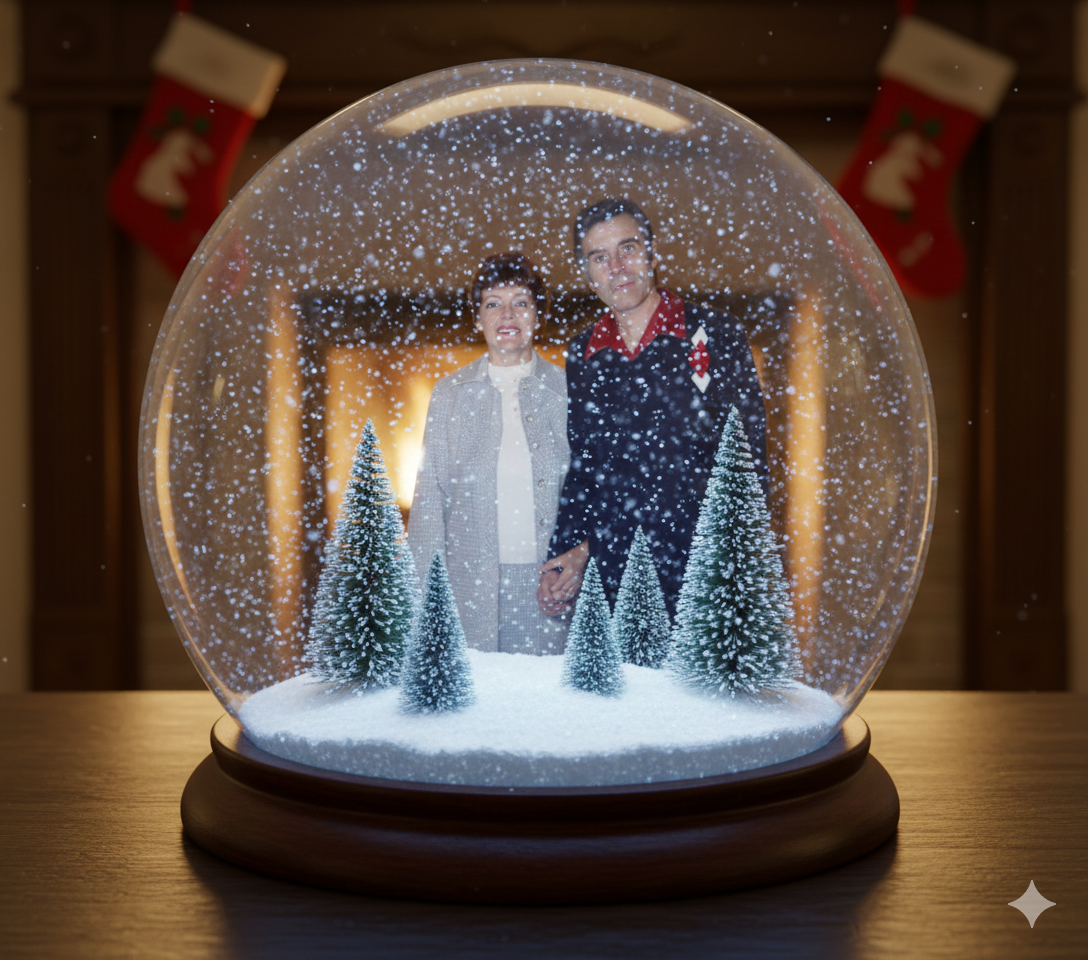
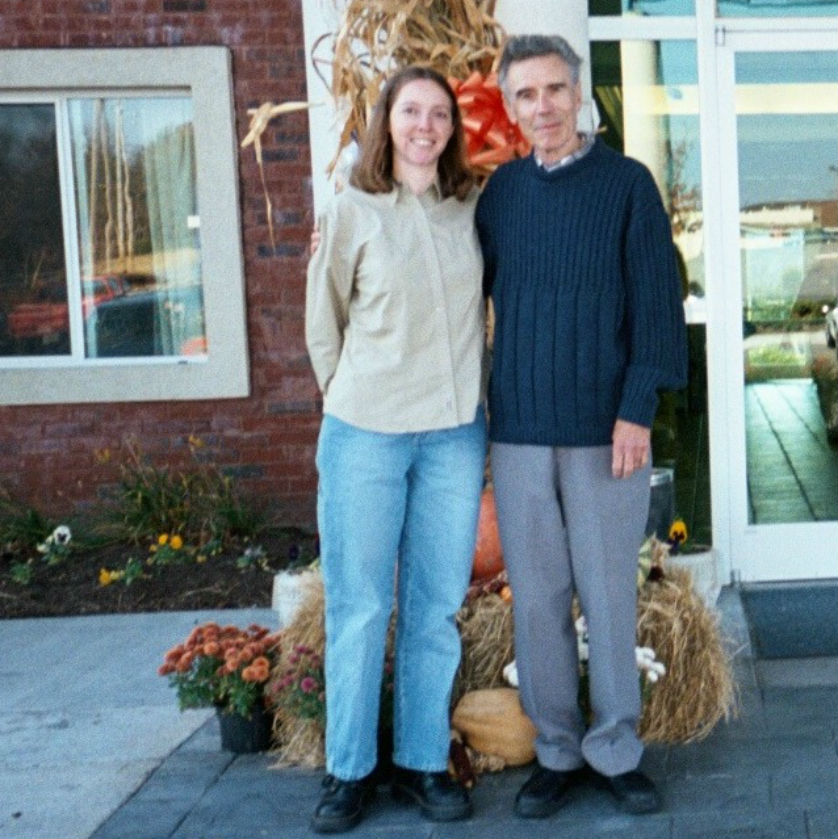
Looking at old family photos is a favorite respite of mine. If you haven’t tried My Heritage’s new AI feature, Live Memory, consider giving it a spin. You get to try it for free. It brings motion to images. It added an extra sweet dimension to this beloved photo with my father.
Here’s hoping you can find a way to make self-care the gift it should be and not a burden in your life.
Today Mom would have been 88 years old. My mother and I shared a birthday month which always made July special to me. Now it’s a little bittersweet, but I still carry the memories of how my mother tried to make my birthday special each year and how I did the same by making her handmade cards and crafts. What my gifts lacked in artistic talent they made up for in love.
Even though my mother and I were born in the same month and the same astrological sign, we were opposites in personality. I write about those challenges in The Reluctant Caregiver. But one thing we shared was a love of creativity and the arts. Over her lifetime my mother learned how to play the guitar and took dance lessons. She made fabric art wall hangings. I’m grateful to have inherited a love of creativity as well, as it can make the world a better place during challenging times.
Thinking of Dad today and what it would be like to take a long walk in the park with him and discuss all of the troubles happening in the world right now.
Hope you get to spend quality time on this Father’s Day with your fathers or those who serve as father figures in your life.
It’s hard to believe that today marks 10 years since my mother’s death. The moment my mother took her last breath is still crystal clear in my mind, even though I can recognize the considerable amount of time that has passed. Considering the turmoil that has engulfed the world over the last decade, I have to say Mom had impeccable timing when she exited this world.
As I was writing this blog post, Maria Shriver’s Sunday Paper hit my inbox. In it was an article, Want to Have No Regrets When You Die?, which was written by Diane Button, a death doula. She shared an encounter she had with one of her dying clients, who told her, “I am not yet ready to die. I’ve spent my whole life caring for others, and honestly, I don’t even know who I am.”
This really resonated with me as it’s one of the cornerstones of my caregiver advocacy, to support the needs of family caregivers and making sure they don’t lose their own voice. Writing is one effective way of maintaining your identity, and can help process the complex emotions that caregiving triggers. One of my goals with publishing The Reluctant Caregiver was to encourage other caregivers to release the guilt and shame they felt during their caregiving experience.
Button shared a simple yet powerful, “I am …” writing prompt that anyone can use to connect with themselves. The prompt could also be used in an audio format if that’s one’s preference. Button suggested that it’s an exercise that one can revisit, then review prior answers to see how your sense of self has transformed over time.
Here’s what I came up with to mark this somber anniversary:
I am resilient. I am learning. I am determined. I am evolving.
Feel free to share your “I am” creations in the comments section. I’m working on a project that includes writing prompts for caregivers. More to come soon.
This May marks 10 years since my mother’s death. It’s hard to believe that my mother has been gone that long.
Because of the timing, Mother’s Day has become another day of mourning for me. The last Mother’s Day my mother was alive, she was less than two weeks from dying. I was very aware of my mother’s impending death but my mother, the eternal optimist, was less certain. What message to write in the card your mother will receive on her final Mother’s Day? I agonized over the few lines, settling on a message of gratitude and acknowledging that I would support her through her journey from this world. She appreciated the card and especially the flowers that I bought her, but I think no matter how gentle I broached the subject, my mother was still resistant to recognizing her own mortality.
May 2015: My mother reading the card on her last Mother’s Day.
Since my mother’s death, I’ve joined those who find the incessant marketing around Mother’s Day tiring and virtually inescapable. A few thoughtful companies offer opt-out emails for holiday promotions, but mostly it’s Mother’s Day ads everywhere, from TV commercials to website ads and smartphone messages. Of course I’m pleased that people who have living mothers get to dote on them, but every ad is yet another reminder of the most difficult period of my life. Getting through the day only makes me one day closer to the anniversary of her death, May 21.
Writer Anne Lamott posted her annual Mother’s Day message on Facebook for those who dread the holiday. For those of you who may be struggling with feelings of grief and longing this Mother’s Day, I hope you find some solace and recognition in her words.
While you are spring cleaning this year, it’s a great opportunity to consider the fate of family heirlooms. Too many people never have discussions about what they want to happen to their possessions when they die. This puts a huge burden on relatives who become responsible for determining the fate of a loved one’s personal items.
Swedish death cleaning has become a trend, but being thoughtful and methodical about going through possessions can be done at any age and stage of life. Some people like a system which offers direction about how to begin, such as tackling clothes first because they can be easier to sort through and may hold less sentimental meaning. Using a color coded system, such as red for discard, green for keep, and yellow for unsure, is a simple way of sorting, allowing even children to participate in the process.
I used a similar method to a certain extent to sort through my parents’ belongings before I put their condo up for sale. While it’s not always possible, I would recommend not attempting to sort through a recently deceased loved one’s possessions because the complex emotions of grief may cloud your judgment. If a home must be cleaned out in a timely manner, consider placing the items in a storage unit until you are ready to tackle. On the other hand, I wish I had gone through more of my parents’ belongings before the final “purge” as I had limited time for the final sorting process and only could keep a limited amount of items. My main regret is not being able to find a home for a few items.
What I kept were humble items that represented our family, like a homemade coat of arms from my father’s family in Northern Ireland, and an ice cream dish from my mother’s side of the family, which held happy memories from my mother’s childhood on the farm making homemade ice cream. I kept a few sentimental items that made me feel loved, like the knitted elephant art my mother made that decorated my room as a child, or the stuffed bunny my grandmother made from rags. I made special effort to ship my mother’s guitar to my home, and I’m glad I did. My father was not the sentimental type when it came to mementoes, but he did keep every letter to the editor that he got published, so I kept those and placed them in a scrapbook because I know they were important to him.
Having recently gone through the cleaning out process, and beginning a similar process with my own belongings, a common theme I’ve found is that too often, special items are tucked away to preserve them but they also don’t get to see the light of day. If possible, showcase those special belongings, so you can appreciate them throughout your life.
If you want to learn more about the Swedish death cleaning method, there’s a book and TV show. I’ve written before on this blog about the show, which I found moving and inspiring.