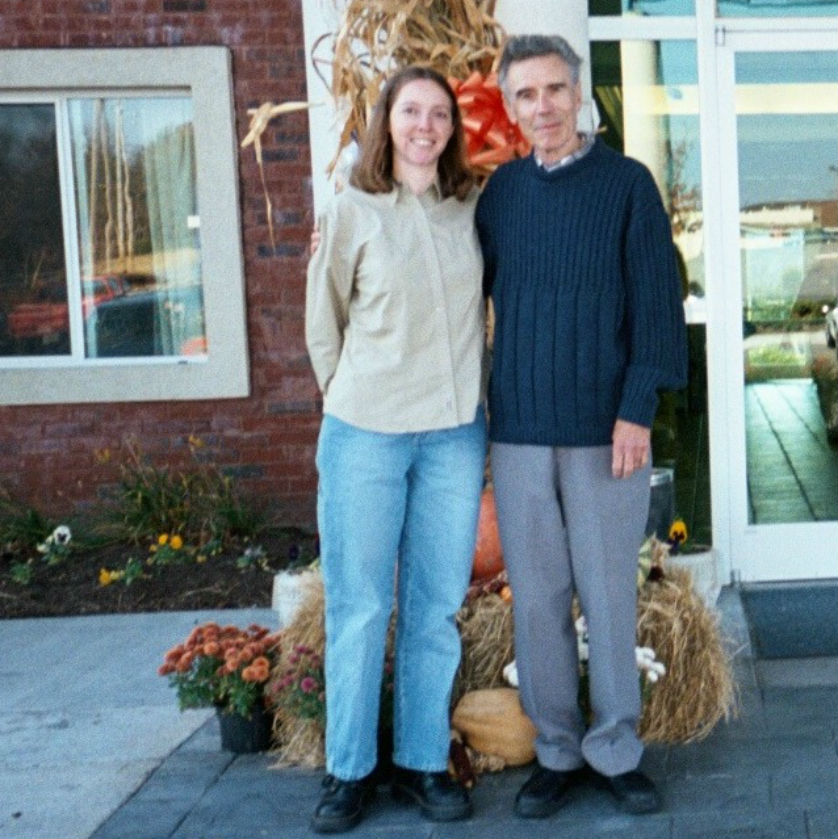
Today the NFL played a game in Dublin, Ireland. It made me think about my childhood and watching football with my father. Of course, being from Northern Ireland, my father’s first passion was soccer, which he continued to enjoy watching throughout my childhood. He was fond of listening to the Spanish simulcast, even though Dad didn’t understand Spanish, because of the enthusiasm of the announcer. It may have been Andrés Cantor, because I remember the famous “gooooooal!” call and how my Dad loved to try and mimic it.
The first sport I learned from my father was baseball. We would watch Dodgers games and Dad would remind me that the team was once located in Brooklyn, where he once lived. The timing of the team’s move from East to West Coast was right around the time my father arrived in the US, so I doubt he got to see the team play in Brooklyn but he no doubt learned the team’s lore during his time in the Big Apple.
We did watch American football as well. I mostly remember watching college football with my dad when I was a teenager. Of course my Dad rooted for the Notre Dame Fighting Irish. Being a teenager, I would choose the opposing team. I remember watching the Colorado-Notre Dame Orange Bowl rivalry, and how it was one of those rare bonding moments with my dad during my adolescence, as were often like passing ships in the night with his work schedule and my school and work schedule.
I also remember watching NFL games with my father. One specific memory is Super Bowl XXV. I’m pretty sure my father was cheering on the Buffalo Bills because of their quarterback Jim Kelly. Dad tended to support anyone with an Irish name. I remember the “wide right” missed kick by Scott Norwood, which cost the Bills the championship and began a heartbreaking string of Super Bowl losses for the team.
I think Dad would have liked seeing a NFL game being played in Ireland. And I think he would have approved of a Steelers win, a team owned by the Rooney family with ties to Ireland.
Today is World Alzheimer’s Day. This year will mark 14 years since my father’s death from complications of this terrible disease. There has been a great deal of promising research and the development of a few medications that may help slow the progress of the disease in some people, but pinpointing the exact cause of Alzheimer’s and a cure remain elusive.
While I appreciate all of the tireless work of researchers, scientists, and the Alzheimer’s advocacy organizations, I’m not that hopeful that a cure or even an effective treatment will be discovered in my lifetime. More likely, the treatments that are on the market now may be improved upon, delaying disease progression and preserving cognitive functioning for longer. Now that I’m in my 50s, with one copy of the APOE4 gene and the disease prolific on both sides of my family tree, I have to be realistic about my risk and do what I can to reduce that risk and plan financially and logistically for any future care needs.
I would love nothing more than to be proven wrong.
I attended a conference last week in New Orleans. As I’ve written about in the past, the city holds special meaning for me because my father lived there briefly as a young man. It was a pit stop between his initial years as a new immigrant in New York City, and on his way to Los Angeles, where he would spend the bulk of his life.
My father worked at The Roosevelt Hotel in New Orleans, which still exists. Any time I’m in New Orleans, I make sure to stop by The Roosevelt and have a drink to toast Dad at the Sazerac Bar. I was chatting with the bartender and he said he’d heard so many similar stories over the years, especially relatives of those who performed at the hotel’s legendary music venue, the Blue Room.
Taking in the sights and sounds of NOLA, I wonder about the culture shock Dad must have experienced upon arriving to this eccentric and vibrant city as an immigrant from Northern Ireland, after living in one of America’s other iconic cities, New York City. He didn’t stay in New Orleans long, but he did help with the planning of the St. Patrick’s Day Parade while he was there. What a thrilling experience that must have been!
Haircuts are a routine personal care task that many of us take for granted. Some of us may even enjoy a visit to the hair salon. But for those with dementia, what was once part of the grooming care routine may become a challenge. In this blog post from When Dementia Knocks, Elaine M. Eshbaugh, PhD explains why a visit to the barber shop or salon can be uncomfortable for those with dementia.
She also offers tips for family caregivers on how to make a haircut a less stressful event for all involved.
I love the idea mentioned in the blog of offering dementia training to barber shops and salons. I hope such training expands because with just a bit of awareness, we can all better accommodate those with dementia in our daily routine.
There has been a lot of research on Alzheimer’s and dementia that has been released over the summer. I wrote about the POINTER study, which found that lifestyle interventions can have a positive impact on cognitive health.
A team from the Alzheimer’s Prevention Registry attended the 2025 Alzheimer’s Association International Conference in Toronto in July, where the POINTER findings were discussed among other promising research. The team shared their top takeaways from the conference.
One development that I’m excited about is blood biomarkers, which may facilitate the Alzheimer’s diagnostic process. Blood tests that can be performed on existing medical equipment and reduce the need for expensive and time-consuming PET scans could catch the disease in earlier stages, when current treatments on the market work the best.
Speaking of treatments, some researchers are taking seriously the increased risk of brain bleeds in the latest crop of Alzheimer’s drugs. Scientists are focusing on new technology that could deliver lower doses of drugs that can safely cross the blood-brain barrier. I’ve written about Leqembi, which has seen slow uptake despite being fully approved by the FDA. One of the concerning factors about the drug is the increased risk of brain swelling and bleeding. While the Alzheimer’s community is desperate for new and effective treatments, serious side effects shouldn’t be overlooked.
There’s also new research looking at the role of the immune system and gut microbiome in regards to Alzheimer’s risk. I will definitely be following developments in this area, as I believe that Alzheimer’s and other dementias are not merely brain diseases and require a holistic treatment approach.
To celebrate their 10th anniversary, AlzAuthors is proud to announce the launch of their inaugural Film Festival. The best news is that it is virtual, meaning you can view the selected films from the comfort of your own home.
The AlzAuthors Film Festival will run from September to December. Each month, a new film will be showcased, and there will be a live Q&A with the filmmakers.
Here are the films that have been selected for the festival:
September
Planet A by Mary Crescenzo
No Country for Old People by Susie Singer Carter [I watched the entire documentary series and it was powerful and moving. Highly recommend.]
October
Lousy: Love in the Time of Dementia by Frank Silverstein
November
Wine, Women and Dementia by Kitty Norton [I loved this film and project, check out my review.]
December
The Present by C. Nathan Brown
Check out the blog post on AlzAuthors for the full details and registration form. Hope you will be able to attend, these are films that deserve to be seen by a wide audience.
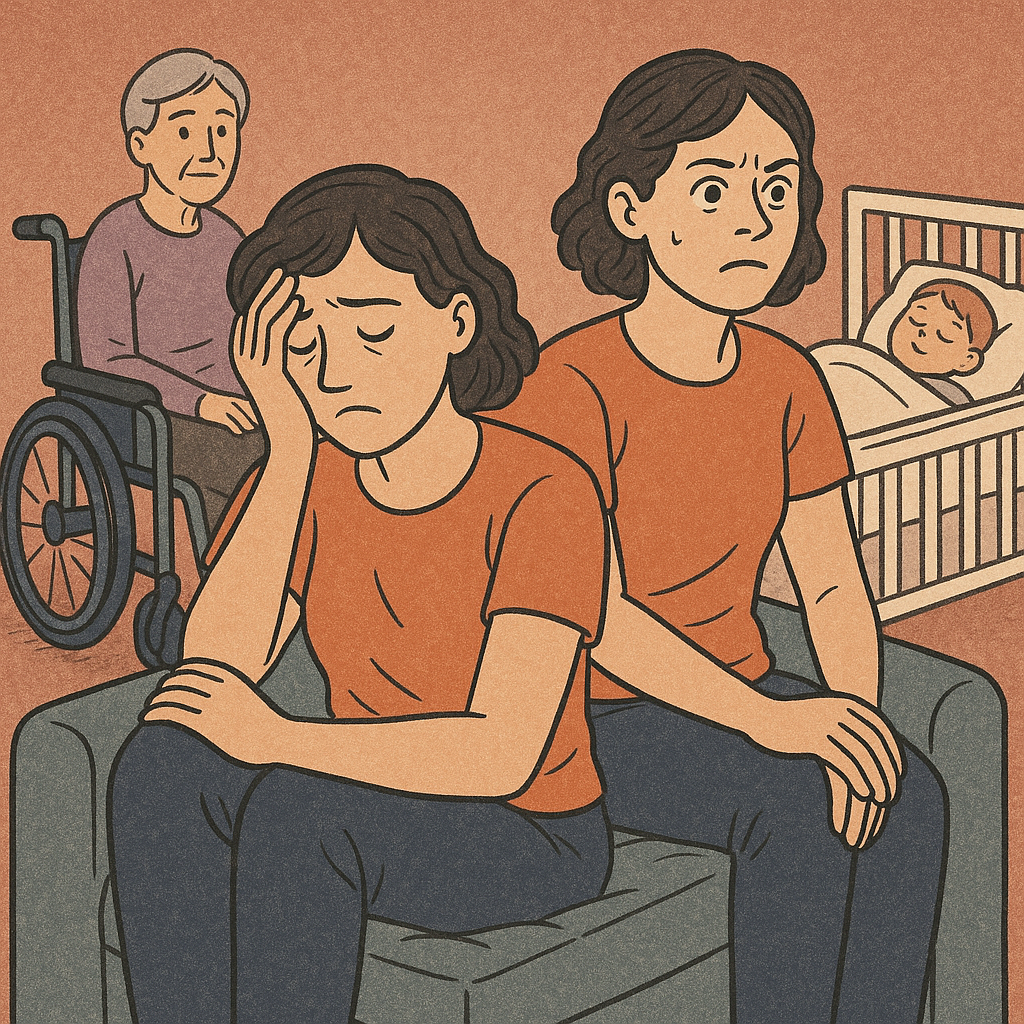
One of the main challenges I hear from family caregivers is the lack of time they have for themselves. When you are a dementia caregiver, you are always on duty, watching over your loved one to make sure they stay out of harm’s way. When your loved one is your priority, your own well-being is neglected.
This happened to my mother, who put her own health needs and screenings on hold while caring for my father, only to be diagnosed with stage III colon cancer six months after my father’s death.
This blog post about being a caregiver without losing yourself offers helpful and practical tips on organizing supportive resources so that you are not going through the family caregiving experience alone.
The National Alliance of Caregiving released a new report, Caregiving in the US, which offers insights on the latest trends in caregiving. This comprehensive 140-page report provides data on America’s family caregivers, including insights on who is providing care and what type of care, the financial impact and the ongoing challenges caregivers encounter when trying to access support and resources. In addition, the report takes a look at how caregiving affects a person’s emotional, physical, and mental health.
Key findings:
Approximately 1 in 4 American adults is a family caregiver.
The average age of a family caregiver is 51, which happens to be my current age. My parents were older when they had me, therefore I began the family caregiver journey sooner than some of my peers.
Women make up the majority (61 percent) of family caregivers.
Twenty percent of caregivers live in rural areas, which can complicate access to care resources and support.
40 percent of caregivers live with their care recipient.
Family caregivers spend an average of 27 hours per week providing care; nearly a quarter provide 40 or more hours per week.
7 in 10 caregivers also work, which can add to a caregiver’s daily stress of trying to juggle two demanding positions. For many caregivers, not working outside of caregiving is not an option, with almost half reporting at least one negative financial impact. Finding affordable care support services has also become more expensive.
It should come as no surprise that caregivers’ own health is negatively impacted. According to the report, 1 in 5 family caregivers rate their health as fair or poor and 64 percent experienced emotional strain.
Caregivers are performing a wide range of duties: two-thirds help with at least one activity of daily living (ADL) like bathing, dressing, toileting, feeding, and mobility assistance. 8 in 10 caregivers are handling multiple instrumental activities of daily living (IADLs)—such as shopping, managing finances, preparing meals, and arranging transportation.
An alarming statistic: more caregivers are performing complex medical or nursing tasks such as managing catheters, giving injections, or monitoring vital signs. While more than half (55 percent) perform complex tasks, only 22 percent received training. Learning medical tasks on the fly is common but definitely stressful. I wrote about this aspect of caregiving in The Reluctant Caregiver.
One statistic that stuck out to me due to my advocacy work in respite care is that few caregivers (just 13 percent) are utilizing respite resources, even though nearly 40 percent recognize that respite services would be helpful. This reluctance to use respite care and the barriers that prevent caregivers from seeking respite is one of the main reasons I started Respite Care Share. As the study points out, the low usage of respite care is not just due to lack of accessibility; for some caregivers, there are cultural connotations to accepting help that must be addressed in order to reduce the risk of caregiver burnout.
How caregivers want to be supported
According to the caregivers surveyed in the report, tax credits and direct payments were nearly equally cited as preferred sources of financial support. Paid leave also received support from a majority of caregivers.
In addition to financial support, caregivers requested services like respite care, emotional support, and health care training. As pointed out above, it’s not enough to just offer these services but find ways to break down barriers to make sure the services are truly accessible and designed to meet the diverse needs of communities throughout the country.
The Alzheimer’s Association recently released the results of a trial they funded, called the U.S. Study to Protect Brain Health Through Lifestyle Intervention to Reduce Risk (U.S. Pointer) which found that “Positive, everyday actions can make a difference in brain health, and when combined into a program that targets multiple factors like physical activity, improving nutrition, cognitive and social challenge and health monitoring, we now know it can have an even more powerful impact.”
Following a similar study that was conducted about a decade ago in Finland called the FINGER study, the Alzheimer’s Association wanted to see if that study’s findings of lifestyle changes positively impacting cognitive health could be replicated for the U.S. population. To conduct the study, participants aged 60-79 who did not exercise regularly and who were at increased risk for cognitive decline were recruited and followed for two years. Participants were located near one of the study’s site locations: Chicago, Houston, Providence, Sacramento, and Winston-Salem.
The participants were placed into one of two groups: structured lifestyle intervention and self-guided lifestyle intervention. The structured group attended nearly 40 meetings over a 2-year period while receiving a prescribed program for physical activity, diet, and cognitive training with goal setting and regular reviews and support. The self-guided group six peer team meetings and were encouraged to implement lifestyle changes that best suited them. General support was provided by staff, but no direct goal-setting or coaching was provided.
What surprised me the most about the study results is that both groups demonstrated an improvement in cognition. This is a key finding because it shows that such programs could offer benefits for those in rural, isolated areas where ongoing support services are limited or non-existent. Those in the structured program did exhibit further cognitive health benefits than the self-guided group.
Another positive finding in the study was that the benefits of the lifestyle intervention were not limited by sex, ethnicity, genetic risk or heart health status. I’ve seen studies where benefits may be more apparent in men vs. women, for example, so this is a key takeaway.
So what is the “recipe” of lifestyle interventions that was used for the study? The infographic at the top of the post captures the components:
Exercise: 30-35 minutes of moderate-to-intense aerobic activity four times a week, plus strength and flexibility exercises twice a week. (Strength and flexibility exercises are also critical in fall prevention for elders.)
Cognitive exercise: The study used a computer-based brain training program which participants used three times a week in 30-minute sessions. Regular engagement in intellectually challenging and social activities was encouraged. I’m not sure which brain training program was used, but I’m enrolled in an ongoing study which used a computer-based program to assess changes in cognitive performance. It involves activities like memory retention by recalling patterns.
Nutrition: The MIND diet was prescribed, which emphasizes dark leafy greens, berries, nuts, whole grains, olive oil and fish, and limits sugar and unhealthy fats.
Health monitoring: Regular vital check-ins on blood pressure, weight, and lab work.
Engaging in regular exercise, performing mentally stimulating activities and eating healthy is a common-sense approach for overall good health. One important follow-up to the study will be to see if people can stick with the lifestyle changes once they are no longer part of the study’s structured program. Another analysis that I’d like to see is how many of the study participants go on to form Alzheimer’s or another form of dementia. Do the lifestyle changes prolong cognitive health thereby delaying a dementia diagnosis or do they offer further protective effects? An extension of the study has been funded and may answer some of these key questions.
Infographic image courtesy of the Alzheimer’s Association.
While I had the week off for my birthday, I spent time revamping my website, Respite Care Share. This is a project I started back in 2016 as part of a challenge to launch new initiatives to support end-of-life caregivers. Over the years I’ve added to the resources page, but the website itself, one of those freebie templates that comes with a domain purchase, was lacking in style and functionality.
In comes “vibe coding” which is AI-assisted coding programs. I maintain a healthy skepticism of AI’s powers but I have to say that l’ve been impressed with using AI to update a website. I was able to create a fresh new web design and add a table of respite care resources in the U.S. which is something I’ve been wanting to do for awhile. Before AI coding assistance, I would have had to hire a web designer to do a reboot, which I don’t have the budget for right now. I enjoy learning new tech skills and had fun doing this project.
I hope to add more resources in the future, including self-care tips and respite suggestions. Hope you find the resource helpful, I’d love to hear your feedback.