Tag Archives: caregivers

Summer reading recommendations for caregivers

It has been sweltering in Atlanta for the past month, and summer just began. When it’s too hot to be outside for long, I’m going to turn to one of my favorite pastimes that often gets pushed to the side: reading. I read all day as part of my job, but reading for pleasure is something that I wish I did more. My Kindle is full of books I haven’t started yet, and I have plenty more on my wish list. Reading is something that makes me feel close to my dad, and I feel I inherited my love of books from him.

I could write a book about the many amazing books available for dementia caregivers, but here are my top recommendations:

I’m honored to have “At the Crossroads,” a poem about my father, included in Poetry for the Dementia Journey: An AlzAuthors poetry Anthology. This new collection was published in June and is available on Amazon. Check out AlzAuthors for a large and impressive library of books that inform and support dementia caregivers.

I’m participating in the Smashwords Summer/Winter sale. Get the e-book version of my award-wining collection of personal essays, The Reluctant Caregiver, for half-off (just 99 cents!) during the entire month of July. Enter the code SSW50 at checkout.

If you’d like to honor the memory of dementia awareness advocate Wendy Mitchell, who died earlier this year, consider one of her books. One Last Thing is aptly titled as her final work. Somebody I Used to Know is her best known and highly acclaimed book.

Finally, another shameless plug: Chicken Soup for the Soul: Living with Alzheimer’s and Other Dementias is a wonderful collection that captures the highs and lows of the dementia caregiving journey. I’m honored to have a story about my father, “French Toast,” included in this edition.

What books are on your summer reading list?

For more suggestions beyond books, check out my Caregiver Product Recommendations page, with a list of products that I used while caring for my parents.

As an Amazon Associate I earn from qualifying purchases.
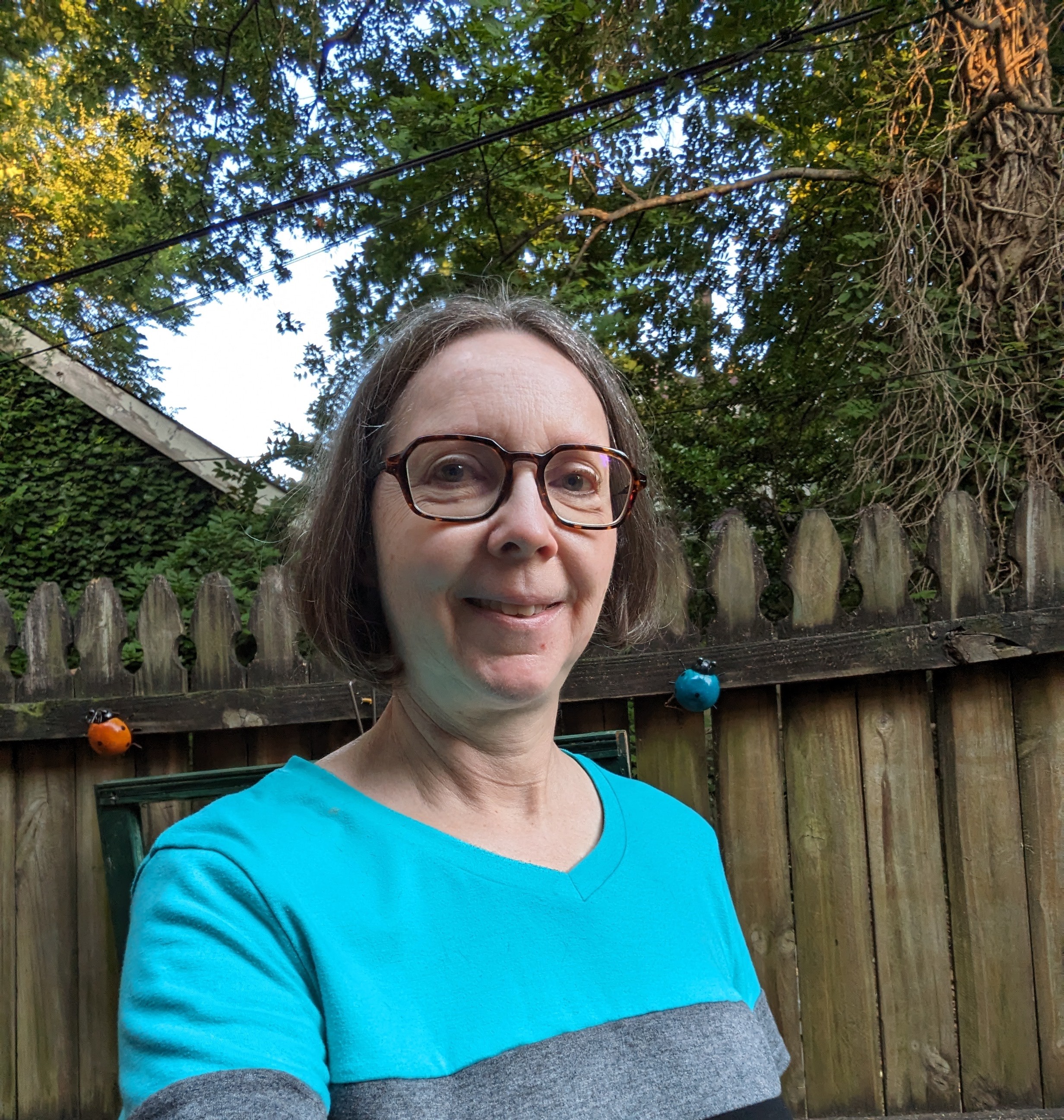
Image created by Microsoft Copilot.

1 Comment

Filed under Awareness & Activism

Summer is here: Caregiver tips to keep loved ones safe

Summer officially began this week, but here in Atlanta, the heat arrived a month ago. Summer here is brutal and unrelenting and requires one to plan outdoor activities carefully. Humidity brings another level of misery and danger to summer heat waves. Beyond the standard temperature and heat index readings, it’s important to take into consideration heat and humidity with a more accurate measurement such as the wet bulb temperature; check out the readings for major cities.

Whether it’s the broiling triple digit temperatures out west or the oppressive humidity of the south, summer creates multiple challenges for caregivers. Keeping elder loved ones safe both indoors and out during the summer months requires smart planning.

Before a heat wave, check on your elder loved ones and make sure their homes have adequate cooling options. Keep in mind that elders on a tight budget may be reluctant to turn on the air conditioner, but that ill-advised decision could cost them their lives. Energy-efficient air conditioners are now available. Smart thermostats can help you monitor the temperature remotely and adjust if necessary.

Battery-powered handheld fans can offer a mobile form of relief both indoors and outdoors. I find that even with air conditioning, a tabletop fan helps keep the air moving in upper floor bedrooms, where it can get stuffy quickly. In milder climates, such as where my parents lived, oscillating fans may be sufficient to keep rooms comfortable.

Outdoor safety during the summer is multifaceted. Elders are more susceptible to heat, but spending time outdoors for short periods can offer important health benefits. Timing is key: aim for outdoor time in the early morning or in the evening after the sun goes down. For those who garden, wearing protective clothing and a hat is important, as is staying hydrated and taking breaks. These neck fans can help one cool down quickly when doing outdoor activities.

During summer heat waves, staying hydrated is essential. I witnessed my mother suffer the consequences of dehydration and the symptoms resembled dementia. From my experience, it can be difficult to encourage older people and those with dementia to drink enough fluids. These Stanley water bottles come with convenient handles and some models include built-in straws for ease in sipping. For outdoor adventures during the summer, carry hydration drink mix pouches such as Liquid I.V. which offer a quick electrolyte boost.

Mosquitoes aren’t just annoying, but can carry West Nile Virus, which can be deadly in older people. Consider a mosquito repellent device in addition to citronella candles, mosquito-repellent plants and clothing to keep loved ones safe while enjoying their home’s outdoor spaces.

I hope these suggestions help you plan for safe and enjoyable time outdoors this summer with your elder loved ones.

For more, check out my Caregiver Product Recommendations page, with a list of products that I used while caring for my parents.

As an Amazon Associate I earn from qualifying purchases.

Image created by Microsoft Copilot.

1 Comment

Filed under Awareness & Activism

How caring for loved ones can leave one without a home

Imagine finding yourself homeless after sacrificing to care for a loved one. According to a recent NPR report, the tragic scenario is not that uncommon.

A person may need to move in with the care recipient if they are the primary caregiver and may not be able to maintain a job if needed for caregiver duties around the clock. In certain states, a family caregiver may receive a small family caregiver subsidy. This doesn’t replace a full-time income, but between a care recipient’s funds (such as disability or social security) and the caregiver subsidy, a person may be able to make ends meet. But once the care recipient dies, those benefits disappear, leaving the caregiver in a precarious financial situation.

If the care recipient rented their home, then a caregiver may find themselves having to move out quickly. Even if the care recipient owned their home, unless specific arrangements were outlined in a will or other legally binding document, the caregiver will have to negotiate with family members regarding living arrangements.

What may get overlooked is a caregiver’s own health issues and how long it can take time to restart one’s life, especially in the midst of active grieving. Those who were already living paycheck to paycheck may struggle to secure full-time employment upon re-entering the job market and the housing market in major cities is skyrocketing in price and running low on inventory. Any social services benefits that a caregiver seeks may take months to become active. This can lead to outcomes that otherwise they would never have imagined, such as homelessness.

A family medical crisis often happen with little to no notice. I encourage everyone to think about what they would do in such a situation, and make a plan on how to address financial and housing issues.

For caregiver resources, check out my dementia caregiver product recommendationsAs an Amazon Associate I earn from qualifying purchases.

Image by Microsoft Copilot.

1 Comment

Filed under Awareness & Activism

Poetry for the Dementia Journey: An AlzAuthors Anthology available now

I’m excited to share that Poetry for the Dementia Journey, an AlzAuthors Anthology, is now available.

A poem I wrote about my father, is included in the collection. “At the Crossroads” is about the week I spent with my father in a hospital in Albuquerque in the last month of his life. He was in a medically induced coma so I spent many long hours looking out the window of his room.

I’ve found that beyond personal essays, writing poems about my caregiving experiences has been healing for me. Writing poems encourages me to distill memories using concise language and experiment with perspective and voice.

I had a chance to review an early copy of the book and was so moved by the poems people wrote about the dementia experience, from a myriad of perspectives.

To celebrate the launch of the collection, AlzAuthors is hosting a reading on Monday, June 3 at 4 p.m. ET. I’ll be participating, so I hope to see you there. If you are not able to attend live, the session will be recorded. You can access the Zoom link here..

1 Comment

Filed under Awareness & Activism

Uber Caregiver offers tech solutions for common tasks

There have been a lot of big announcements from technology companies recently, but one in particular caught my eye this past week: Uber announcing an initiative called Uber Caregiver. What does a ride hail service have to offer caregivers?

Uber has been expanding into other services for awhile. Uber Eats has become a popular restaurant delivery service. That service has expanded to offer groceries as well. Uber Health seeks to bring together these services to serve a specific population that could benefit greatly from them: caregivers and care recipients.

Uber Caregiver will allow a designated caregiver to request rides and order groceries for the care recipient. The caregiver will be able to monitor progress of rides and shopping orders on their own device. This would be beneficial for remote caregivers or those who cannot check in on their loved ones daily. Care recipients could maintain their independence with a reliable service that would transport them safely to doctor’s appointments.

One thing that isn’t clear is if Uber Caregiver drivers will receive any specialized training. That would seem to be critical, whether it’s how to help someone who’s mobility impaired in and out of a car or accommodating clients with cognitive decline. The Uber Caregiver service supports a 3-way chat system so a caregiver can stay in touch throughout the ride and receive a notification when their loved one arrives safely.

Those in rural areas will likely be out of luck, as Uber tends to focus on major cities and suburbs for its service areas. That’s unfortunate, as it’s those in rural areas without other transportation options that would benefit the most from the service. My parents were lucky to have access to a rural shuttle service run by the county, but the service was always being threatened by budget cuts.

Uber claims some healthcare plans will provide benefits towards the service, though it doesn’t provide a list of participating vendors. According to a Today report, those with Medicare Advantage, Medicaid, and eligible employer health insurance plans may find that Uber Caregiver services are covered, though individuals should consult their specific plan providers to confirm.

Uber Caregiver will begin to roll out this summer, with shopping access coming at a later date.

Image courtesy of Uber.

For more caregiver resources, check out my dementia caregiver product recommendationsAs an Amazon Associate I earn from qualifying purchases.

2 Comments

Filed under Awareness & Activism

Happy Mother’s Day

Happy Mother’s Day to mothers of all kinds. I will be holding space for all of us whose mothers are no longer here.

On a related note, congratulations to Katie Engelhart, contributing writer for The New York Times Magazine, who won a Pulitzer Prize for Feature Writing for The Mother Who Changed: A Story of Dementia. With compassion and clarity, she shared this family’s complex and fraught journey with dementia. The piece raises important ethical and moral issues that should be discussed.

In case you missed it, I’m sharing again a poem about my mother that was published by The Prose Poem earlier this year. “Her Lists” is my way of coming to terms with some of my mother’s more eccentric qualities. Below is an example of one of her lists for reference.

Leave a comment

Filed under Awareness & Activism, Memories

Caregiver preparation tips for severe weather

Managing caregiving tasks can be difficult even on a normal day, let alone during a severe weather event.

This is my annual reminder to make sure you and your loved ones are prepared for severe weather events. Growing up in California, I learned about earthquake safety both at school and home. When my parents retired to Ruidoso, New Mexico, they learned about the threat of wildfires. In Georgia, I deal with flooding and power outages due to thunderstorms.

Being prepared and having a plan is critical. The American Red Cross offers good tips on preparing for severe weather events. The Alzheimer’s Association offers an emergency preparation resource for those caring for loved ones with dementia.

  • Keep a printout of important information, such as phone numbers, medical history, prescriptions, etc. in case you lose power and your devices die.
  • Create a well-stocked first aid kit, personalized for any specific medical needs
  • Maintain a power source. Keep extra batteries on hand for flashlights and emergency radios. I keep a mobile generator for short-term power outages so that at least I can keep my phone charged. I set a monthly reminder to charge it to make sure it’s fully charged in case of an emergency. It also came with solar panels as an alternative charging option. If you can afford it, a larger generator that can power medical devices could be a life-saving choice.
  • Create an evacuation plan for loved ones, taking into consideration their medical needs. Make note of local resources that may be able to assist with things like transportation, temporary housing, etc.
  • Don’t forget about the pets. Loved ones may be reluctant to leave their home if they think they will have to leave their pets behind. Research pet-friendly shelters and hotels.
  • Make sure everyone understands their role in a severe weather event, from care recipients, to hands-on caregivers to long distance caregivers. Communication is key.
  • Have a plan in place if your loved one’s home is destroyed by a severe weather event.
  • Make sure your loved one’s medical care wishes are documented.

Image generated by Microsoft Copilot.

3 Comments

Filed under Awareness & Activism

Embracing our loved one’s eccentricities

I recently had a poem about my mother’s infamous shopping lists published. You can read “Her Lists” at The Prose Poem.

My mother’s lists were like a look inside her busy bee brain. It may have seemed like an oxymoron, but my mother’s chaotic organization style worked for her. That was fine until I became her caregiver and then I was the one responsible for interpreting her wacky roadmap.

I wrote “Her Lists” during a poetry workshop a few years ago. I tinkered with it just a bit since then, but it mostly came out as is on first draft. If you’ve had challenging caregiving moments that you are trying to work through, engaging with them in a creative process may be helpful. Taking a look at such moments with a different lens may be healing and provide some sense of closure.

Feel free to share my dementia caregiver product recommendationsAs an Amazon Associate I earn from qualifying purchases.
2 Comments

Filed under Memories

Being an only child and caregiver to your parents

With my parents before my father moved into a memory care center.

The Wall Street Journal published an article recently about the beginning of an only child boom and its impact on caregiving. As an only child, I could relate all too well to the main subject of the article. I felt overwhelmed many times during my caregiving journey, and felt the crushing weight of making life or death medical decisions on my own.

On the other hand, every time I’ve mentioned the challenges of being an only child and caring for aging parents, I’ve heard from others who had siblings but still felt like only children because their siblings refused to help with caregiving duties for their parents. Or in other cases, siblings would squabble over making decisions in the care of their parents, leading to fractured relationships. So I understand how whether being a small or large family, caregiving comes with its challenges.

One of the people profiled in the article talked about having to make a life-or-death medical decision for their mother while being in another country several thousand miles away. In the comments section, someone inquired why distance would make the decision more difficult. I can speak personally to this, as I was 1,300 miles away when I got a call the morning of Black Friday, with a nurse in rapid-fire speak informing me my dad was crashing and should they engage in life-saving measures or not. The nurse had first tried to reach my mother, but she took sleeping pills and wore ear plugs when sleeping, so she didn’t answer the phone. Now the life and death decision was in my hands.

But it really wasn’t. Over 12 years later, I still struggle with the decision I was forced to make, which was tell the nurse to keep my father alive while I tried to reach my mother. If it had been solely up to me, I would have let my father go. But I couldn’t make that decision for my mother, and I knew she would never forgive me if I had. I eventually got hold of her and my father lived about another month before dying five days before Christmas.

One of the reasons I feel so strongly about paid leave is for those like myself who find all of the parental caregiving duties falling on their shoulders. No one should lose their job because they are caring for a loved one. It’s also why I feel so strongly about respite care, as only children may not have as robust of a support system that can come with larger families.

I enjoyed being an only child and don’t regret the lack of a larger family. But as the article mentions, only children need to be vigilant about building a support system so that when an older parent has a medical emergency, they will have resources in place to help them make informed decisions about medical care, finances, and to lean on for emotional support.

Leave a comment

Filed under Memories

Can robots help those with dementia engage with past and present?

Social robots have been met with an understandable level of skepticism by elder care advocates. Can generative AI take such technology to the next level? A recent Wired article highlighted interesting developments in this field. Instead of focusing on robots substituting for human companionship or serving as a virtual caretaker, a group of researchers are developing robots “for the soul.”

One group that is being targeted for this technology designed to spark sensations and experiences are those with dementia, with technology meeting them where they are, whether that is surreal or relived memories. One example cited in the article is a robot playing birdsong that prompts an introverted woman with dementia to mimic a bird and speak about her love of birds. Another product that has been created is a pillow with panels that can be personalized to one’s life experience. When a panel is touched, a familiar sound is played. For example, if I was programming this for my father I would include a rendition of Danny Boy, my father’s favorite song. I might include the sounds of a ship, because my father loved ships.

Most of the article focuses on the development of QT, a chatty robot being tested at a memory care center. The technology has a ways to go, but one of the interesting developments is how the robot can spark conversations between residents and visitors. Encouraging such interactions can have a positive impact on all involved.

While I don’t envision a flood of robots caring for the elder population anytime soon, assistive technology is rapidly developing. Fall detection products are commonplace now, and proved to be an essential tool when caring for my mother. Smart, connected devices like the Amazon Echo Show and the Alexa Emergency Assist service keep busy caregivers connected to their elder loved ones, allowing them to monitor virtually. These products provide long-distance caregivers like I was with some peace of mind.

As an Amazon Associate I earn from qualifying purchases.

1 Comment

Filed under Awareness & Activism