Category Archives: Memories

Farewell to a sweet soul

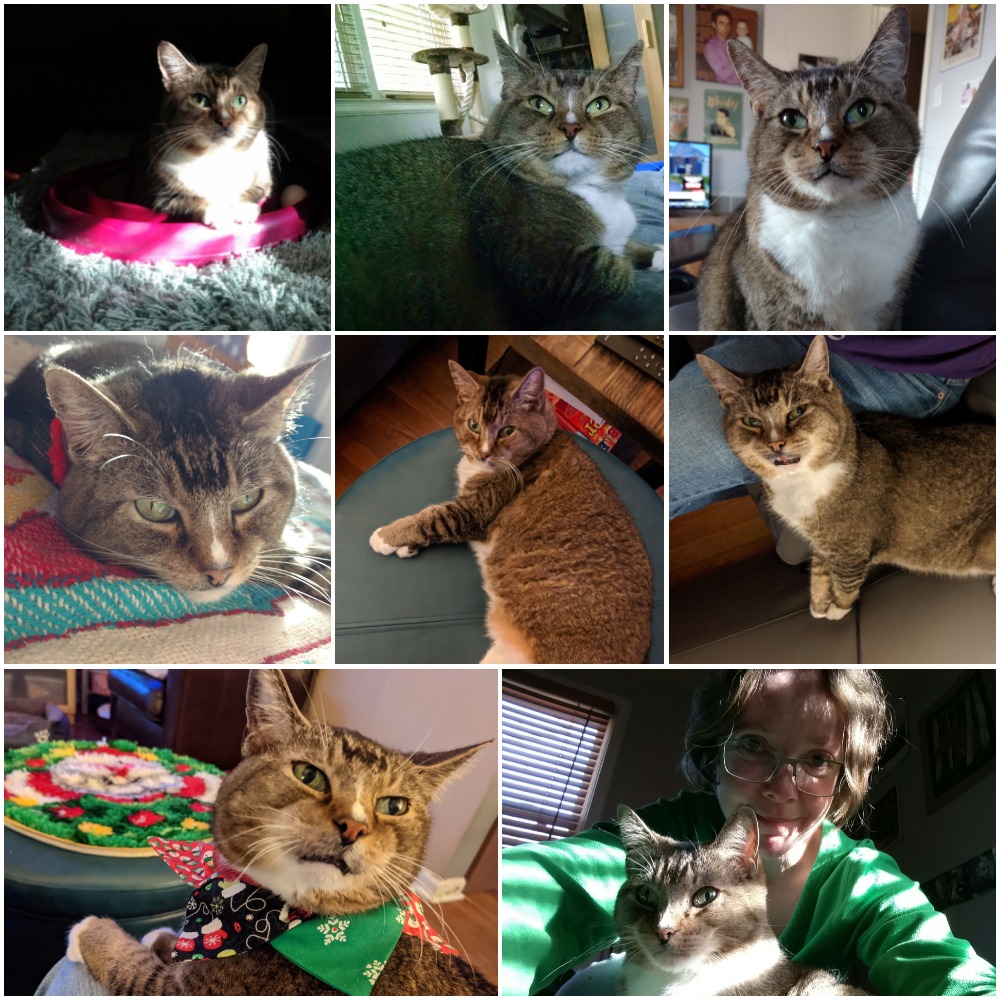
I had to say goodbye to my beloved Rosalie two days before Christmas. She went into respiratory distress and a large mass was found on her trachea, which was almost entirely blocking her airway and ability to breathe. Because of its location, her age, and her condition, there were no realistic treatment options. I decided to let her go while she was still under anesthesia from the diagnostic procedure so she could slip out of this world as peacefully as possible.

Rosalie came into my life at the worst of times (my mother dying) and departed during another tough period of my life. I was fortunate to get six years with her delightful spirit. She was by far the easiest cat I’ve ever cared for and very affectionate. While I’ve loved the timid cats that I’ve adopted over the years, Rosalie was not shy at all. Nothing much seemed to spook her. She lived every day soaking up the simple pleasures of life (sitting on the heat vent or napping on the heated blanket during the winter, enjoying food, being petted, knocking her favorite crinkle ball toys under the couch) and I would marvel at how content and relaxed she was no matter what strife I and/or the world was facing.

I may have jinxed her by thinking she could be my “20 year old cat,” because she had the calm and happy-go-lucky demeanor that centenarians often have. Alas, cancer claimed her just a month after her 15th birthday.

The day I adopted Rosalie I put aside my normal common sense and went with my gut instinct. It was just days after another one of my beloved cats had died and many people would have felt it was too soon to adopt another. The weather that day was dreadful and for any other event or task, I would have opted out. Navigating through violent thunderstorms, I arrived at the shelter and met with Rosalie just minutes before another adopter arrived asking about her. From that fateful beginning, Rosalie and I forged a special bond.

She taught me that sometimes rules and traditions are meant to be broken and she could have taught a master class in self-care. I will be forever grateful that the universe brought her into my life.
Leave a comment

Filed under Memories

Reflecting upon 10 years since my father’s death

It has been 10 years since my father’s death. So much has happened in the past decade, but I’ll never forget where I was when my mother called with the worst news of my life, in the middle of the newsroom at the Atlanta Journal-Constitution. I had been waiting for that awful call for quite some time, and some part of me wished for it, because it pained me so much to see my father suffering in the late stages of dementia. But of course there was no immediate sense of relief upon my father’s passing, just sadness and regret.

I do still carry feelings of regret and guilt to this very day, and probably always will. I discuss this at length in The Reluctant Caregiver, and urge others not to judge themselves too harshly. In that spirit, I am taking a look back on what my father inspired me to do over the last decade.

  • I began this blog, The Memories Project. What began as a way to document memories of my father and process my grief has become the foundation of my dementia and caregiver advocacy platform. I have also met so many fellow caregivers through the blog and am grateful for their wisdom and their support.
  • I wrote a book, which was a life goal of mine. My collection of personal essays on family caregiving, The Reluctant Caregiver, won a gold medal at the IPPY Awards. An essay from that collection won the Rick Bragg Prize for Nonfiction from the Atlanta Writers Club. A story I wrote about my father, “French Toast,” was included in the Chicken Soup for the Soul: Living with Alzheimer’s and Other Dementias collection. I know my dad, a lifelong lover of books, would be proud.
  • I finally made it to Ireland and visited my father’s hometown of Belfast, Northern Ireland. This was at the top of my bucket list and has been one of the best experiences of my life.
  • The privilege of sharing my father’s story through a variety of outlets, including NPR, AlzAuthors, Caring Across Generations and the Aging in America conference.

The decade since my father’s death has been the most difficult of my life, but also the most rewarding. I hope that you can take time this holiday season to recognize and reflect upon the highs amidst the lows of your own caregiving journey. Give yourself the grace that you deserve.

Leave a comment

Filed under Memories

How your caregiving experience can be a gift to others

My father and Aunt Peggy on her wedding day, 1956.

I received a letter from my Uncle Jim this week, updating me on how my Aunt Peggy is doing. She is my father’s youngest sister and has dementia. My father’s side of the family has been decimated by the disease and Peggy has been living with the disease for years. Jim has been an amazing caregiver to her and patient in navigating the choppy waves the disease presents. She is doing as well as can be expected, and is able to take advantage of resources offered by Australia’s stellar healthcare system.

A few years ago, I sent Jim a copy of Chicken Soup for the Soul: Living with Alzheimer’s and other Dementias. A story of mine about my father, French Toast, is included in the collection, but I also thought Jim might appreciate the wealth of information that was shared by the dozens of dementia caregivers who contributed to the collection. In his recent letter, he mentioned the book and the information I shared about my father’s struggles with swallowing in the end stage of the disease. He thanked me for sharing the information and how it had been helpful while caring for Peggy.

Caregiving can feel very isolating. When caring for someone with dementia, that isolation can feel even greater, as friends and sometimes even other family members maintain a distance, not sure how to help or struggling to accept the diagnosis. But in those moments you might be learning something that, when shared with others, can make their caregiving lives easier.

Don’t be afraid to share the lessons you have learned on your caregiving journey. Knowledge is a precious gift and what we learn from fellow caregivers can be more meaningful than what we learn in books.

Leave a comment

Filed under Memories

Rural America hit hard by latest COVID-19 wave

When the pandemic first took hold in America, the bulk of cases were in urban areas, like New York City. I remember at the time reading some opinions from those in rural areas of the country, who thought that being a spread out population would protect them from the coronavirus. While that may have protected them somewhat during the early period of the pandemic, the trend have now reversed, with rural areas of the country being overwhelmed by an influx of COVID-19 cases.

Vaccine hesitancy and the political influence of anti-vaxxers and covid deniers in rural America is playing a role in the rise of cases from the delta variant, but that is not the whole story. What we are witnessing are the critical deficiencies in the rural healthcare system. People are dying needlessly because there is not enough space, supplies and staffing to care for them. With the country’s elder population increasing over the next decades, this is an issue that needs prompt attention.

I witnessed the challenges facing those needing medical care in rural areas when I was a caregiver for my parents. There were no memory care facilities with available beds nearby, so my father was transferred to Roswell, over an hour and a half away. This placed a huge burden on my mother when trying to visit him, as she didn’t drive and had to take a bus to make the trip. She was so tired after one grueling trip that she fell in the middle of the night and broke her shoulder. When my father became critically ill, he was transferred all the way to Albuquerque, a three-hour trip from where my parents lived. He died without family present, as my mother was preparing to visit him.

When my mother became ill, the local hospital was unable to perform her surgery, so they transferred her to Roswell. She spent the summer there, recuperating from surgery at a skilled nursing facility. Instead of making the trip back and forth to my parents’ home in Ruidoso, I lived out of a hotel in Roswell for that summer, a pricey endeavor but I learned how important it was for me to be a hands-on caregiver advocate for my mother during that recovery period. Her follow-up care had to be carefully arranged once she got back home, because the oncologists only visited Ruidoso a few days a month. After she died, I learned that the oncologist group discontinued serving the area, forcing those with cancer to travel an hour and a half away for treatment.

Many rural hospitals have closed. Equipment and beds are limited. It’s difficult to recruit doctors and nurses to serve in rural areas. Ambulance services have also been impacted, meaning people die because they can’t get to a hospital fast enough. Specialty services and tests often require lengthy travel, a burden for many families. You can see how these issues create a perfect storm when a pandemic strikes. Many rural healthcare systems now find themselves at the breaking point.

People should be able to age in place where they wish, but they should also be aware of the challenges in aging in a rural area. It will take a mix of public and private funds along with innovative minds to fix the issues plaguing the rural healthcare system, but it is essential and we must take the hard lessons learned during these times to advocate for change.

Leave a comment

Filed under Memories

NYT report shines light on dangerous drugging of nursing home residents

A recent New York Times investigation may be a revelation to some, but not to family caregivers who have loved ones in nursing homes, especially memory care centers. The investigation found that at least 21 percent of nursing home residents are on antipsychotic drugs. “Chemical restraints” have become a convenient method to reduce the hands-on care needed for those with dementia in nursing homes which are chronically understaffed. Savvy (and/or devious) nursing home operators and doctors have found workarounds to circumvent the weak government regulations that attempt to curb this dangerous practice.

This is an issue near and dear to my heart. I’ve written about my father’s experience in a memory care center during the last year of his life. He was given Risperidone, a drug typically given to adolescents with schizophrenia. It turned my father into a zombie and made him unsteady, causing several falls which resulted in ER visits. To add insult to injury, my family was left with owing thousands of dollars for medications used to inappropriately sedate my father.

Here is what I wrote about my dad’s experience with the drug:

I remember the indifferent attitude the doctor at the local hospital had when I questioned the use of Risperdal, which was already controversial even while my dad was still alive. The doctor just shrugged his shoulders and said they had to continue prescribing what the doctor from the nursing home had ordered. He asked me if I knew what it was for and I responded “to make patients like zombies so they’re easier for the nursing home staff to deal with” and the doctor agreed with a laugh. I did not find it funny at all.

Johnson & Johnson paid over $2 billion in fines to settle charges levied by the government that they promoted off-label use of the drug to elderly patients with dementia and even provided kickbacks to doctors and nursing home operators. The massive fine didn’t hinder the practice. The drugs of choice are now Haldol and Depakote, according to the New York Times investigation. Doctors are adding a diagnosis of schizophrenia to nursing home residents with dementia to get around government regulations. Haldol is used to treat schizophrenia and therefore doesn’t have to be included in the mandatory reporting of antipsychotic use that nursing homes must provide to the government.

The underlying problem to the overmedicating of nursing home residents with dementia is staffing shortages. If facilities were adequately staffed and had special training in how to care for those with dementia, the need to sedate residents would be alleviated. Families aren’t going bankrupt just so there loved ones can be turned into zombies through chemical restraints. Nursing home operators get access to medications that a family doctor would likely balk out if a family caregiver asked for it to manage their loved one at home. The government’s response continues to be insufficient.

My advice is that if you have a loved one in a memory care center, review their medication list on a monthly basis. If you are not comfortable with your loved one being on a particular medication or you witness alarming changes in your loved one’s physical or mental state, speak up. If you are looking to move your loved one with dementia into a memory care center, ask about their use of off-label medications. Ask that they seek your permission before prescribing such drugs. We must advocate for our loved ones to be treated humanely and not as an experiment to sedate into submission.

4 Comments

Filed under Awareness & Activism, Memories

20 years after 9/11

It’s hard to believe that it has been 20 years since the 9/11 terrorist attacks.

I remember my father being particularly saddened by the scenes of destruction in New York City, the first place he called home when he arrived in America. My father had a passion for global affairs, especially those where repressed people were uprising. He wrote many letters to the editor over the years, discussing political affairs not only in his homeland of Northern Ireland but in Africa and the Middle East. He was an avid reader of large tomes on military policy and strategy. I wish I’d had deeper discussions with my father about world events. One of the worst aspects of dementia for my father was losing the ability to read, his favorite hobby.

I hope you’ll have time today to reflect and spend time with loved ones.

Leave a comment

Filed under Memories

Watermelon babies

I was enjoying some watermelon this morning and it reminded me of a funny story from my mother’s childhood. The family was gathered around, enjoying slices of watermelon when one of my mother’s older siblings warned the others to be careful not to swallow a watermelon seed, otherwise they’d grow a watermelon baby inside their tummy.

While the rest of the family got the joke, my mother did not. She began to worry that she had accidentally swallowed a watermelon seed. She became upset enough that she went to her mother who set the record straight and assured her there were no dangers of melon babies. Nowadays, kids could just Google it or ask Alexa.

The extreme and unusual heat wave that struck parts of the U.S. and Canada recently serves as a reminder to check in on our elder loved ones and make sure they have sufficient relief from the summer heat. Here in the Deep South, we tend to take air conditioning as a standard necessity, but other parts of the country that typically have moderate summer temperatures don’t always have AC units. I learned that the hard way at my parents’ condo in New Mexico. Even with a modern, high-powered fan, it was miserable. While it was merely uncomfortable for me, for those who are older or with certain health conditions, the heat can be life-threatening.

I hope you have a peaceful and pleasant Fourth of July and get to spend time with loved ones.

Leave a comment

Filed under Memories

Celebrating fathers and all male caregivers

This Father’s Day weekend, I hope you will be able to celebrate the fathers, father figures and male caregivers who have made a difference in your life.

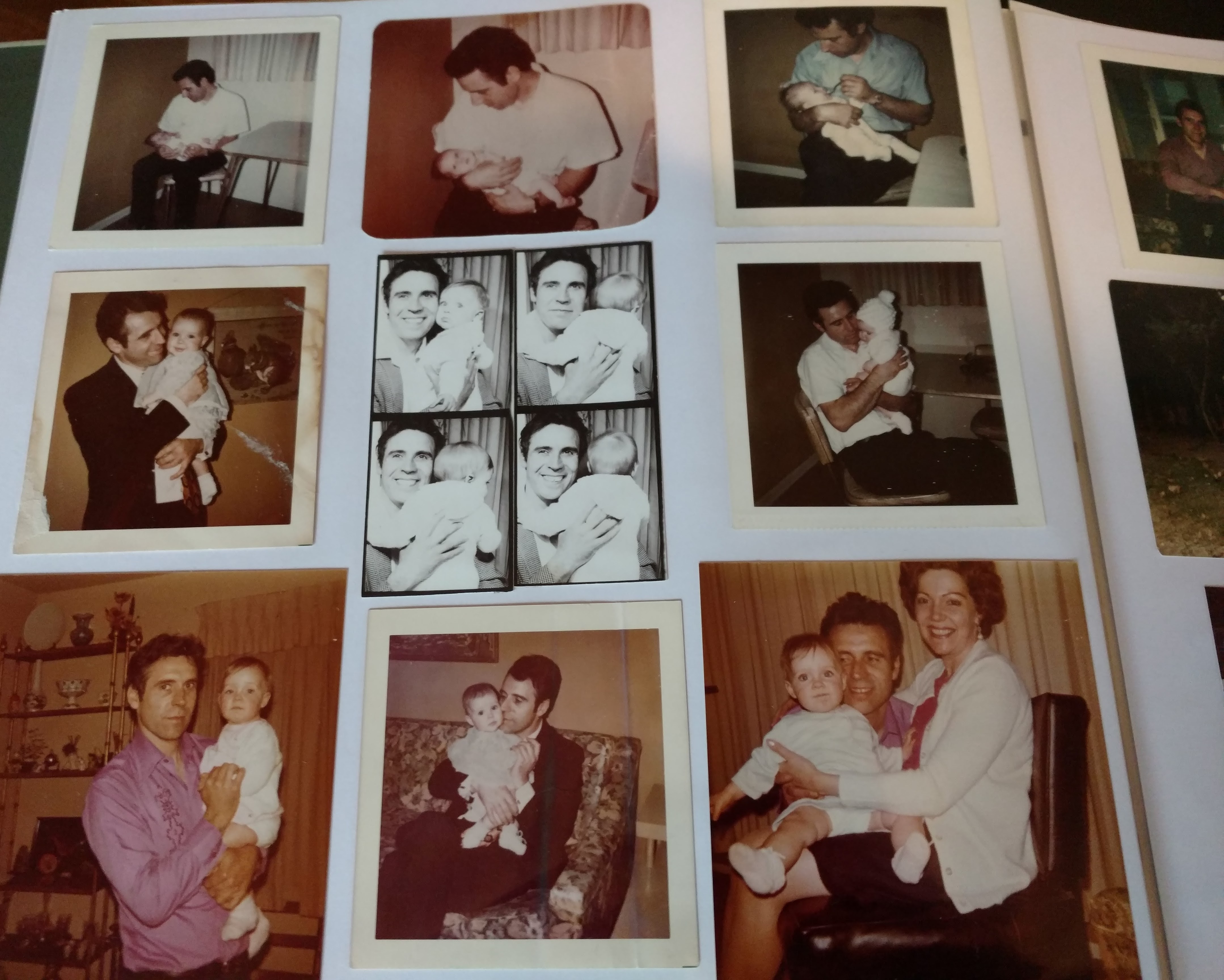
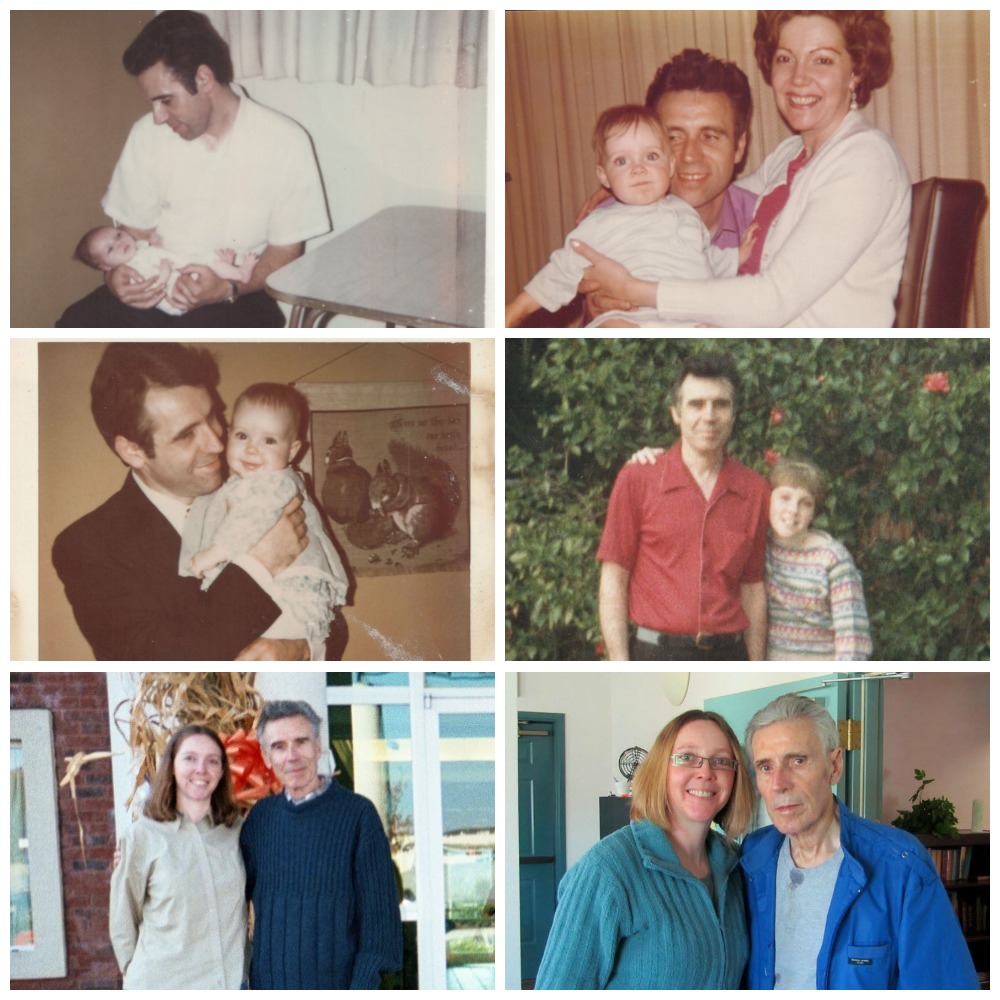
My father adored me as a baby and while we grew apart a bit as I grew older, I always knew he loved me. I only wish I could have returned the favor more at the end of his life, but even through the fog of dementia, we were able to communicate with one another and demonstrate the strong father-daughter bond that had been there all along.

As this past year has taught us so painfully, we can never take moments to express our love for granted. Happy Father’s Day to all who provide care for others.

1 Comment

Filed under Memories

Reflecting upon older losses in a period of raw grief and renewal

Today marks six years since my mother’s death. I have to say that Mom had an uncanny sense of timing for her departure from this earth. The world has faced a series of challenges over the last several years that has left a path of death, destruction, and fractured relations that I’m glad my mother did not have to live through.

Now many of us find ourselves teetering between anticipation about establishing a new normal while mourning the losses that have piled up. And of course there are those like myself, mourning pre-pandemic losses of loved ones. It’s an odd mix of emotions; one may feel guilty about experiencing the joy of reunions while others have yet to bid a formal farewell to their loved ones while the pandemic rages on in India and other parts of the world.

My mother was the eternal optimist, to a fault in some cases, as I write about in The Reluctant Caregiver. I am more of a realist with pessimistic tendencies, but I do believe that the best antidote to the last several years of chaos and upheaval is by embracing whatever brings us joy. Give yourself grace and let go of whatever pain you can. My mother and I had a difficult relationship in ways because of our contrasting personalities. With the passage of time, I now can better focus on her positive attributes, including those I embrace in my life, such as her love of animals and nature, her sense of humor, and being kind to those in the service industry.

I hope you are able to find some sense of peace during this unusual period of grief and renewal.

Leave a comment

Filed under Memories

This Mother’s Day, reach out to those who are grieving

My mother’s last Mother’s Day in 2015.

The COVID-19 pandemic has left thousands of Americans motherless this year. One model shared in a study published in JAMA Pediatrics suggested the number of children who lost a parent due to the pandemic could be as high as 40,000, a staggering amount in just a year’s time span. On the other end of the spectrum, adult children grieve their elder mothers who died during the pandemic, some who must grapple with the extra pain of not being able to properly say goodbye.

Having lost both of my parents, I do find that Mother’s Day is harder for me emotionally than Father’s Day. I believe this is because my mother died in the month of May, just a couple of weeks after the holiday. My last memories of her before she became bedridden was reading her Mother’s Day card and admiring the fresh flowers I bought for her. Even though this year will mark six years since her passing, those bittersweet memories are still the first to surface when I’m reminded of Mother’s Day via the endless online ads and TV commercials.

I found this essay by Carol Smith on grief and the myth of closure to be compelling and moving.

For those whose mothers are still alive and perhaps will be seeing in-person for the first time in months due to the pandemic restrictions, I am so thrilled for you and I hope you have a wonderful reunion. We know now more than ever that each moment with loved ones is precious.

If you have a friend who may be grieving the loss of their mother, reach out and offer support in whatever way is meaningful to them. It can be a lonely holiday for those whose mothers are no longer alive, and acknowledgment from caring souls can mean so much.

In honor of Mother’s Day, AlzAuthors is offering free Kindle copies of our first anthology Alzheimer’s and Dementia Caregiving Stories: 58 Authors Share Their Inspiring Personal Experiences.

2 Comments

Filed under Memories