

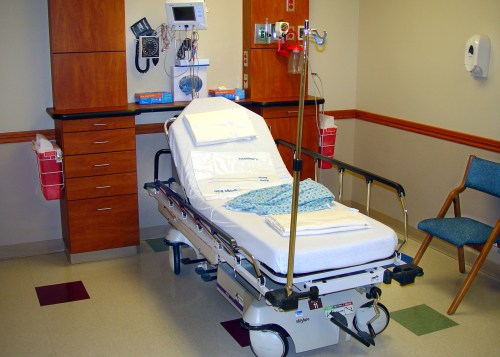
Photo by Lillian Nelson/Freeimages
In recent years, a growing movement has embraced the concept of dying at home, versus a hospital or nursing home. In general, I support the idea, after my father had a difficult death in a skilled nursing facility while I was 1,300 miles away. But having experienced the challenges of being a primary caregiver for my mother, who died at home, I also understand just how traumatic such a death can be for family members. The latter is a viewpoint that is not often discussed.
Ann Brenoff, who covers aging topics for Huffington Post, interviewed me last week to discuss the potential consequences for the family caregiver when a loved one chooses to die at home. The article, When Loved Ones Die At Home, Family Caregivers Pay The Price, offers an important perspective on the subject. The article references my 2015 essay, Why dying at home is not all it’s cracked up to be. Brenoff discusses how financial concerns are behind the government’s desire for people to die at home. While it’s cheaper for people to die at home, caregivers pay the ultimate price.
In many cases, family caregivers shoulder the burden of care duties. Some have to quit their jobs or reduce work hours, impacting their financial status. Chronic stress can affect their own health. The emotional toll can be devastating.
To achieve a good death at home standard, we must offer greater support to family caregivers.
There are pros and cons to everything, including dying at home. The more we learn about each other’s caregiving experiences, the better informed we will be when we face a family health crisis or end-of-life care situation.



![Pageflex Persona [document: PRS0000038_00069]](https://memoriesproject.files.wordpress.com/2014/02/reluctant-caregiver-cover.jpg)







 The Memories Project